Gowanus Canal Cleanup: Tanks or tunnel? It’s up to the EPA
‘Not all ideas are good for every place.’
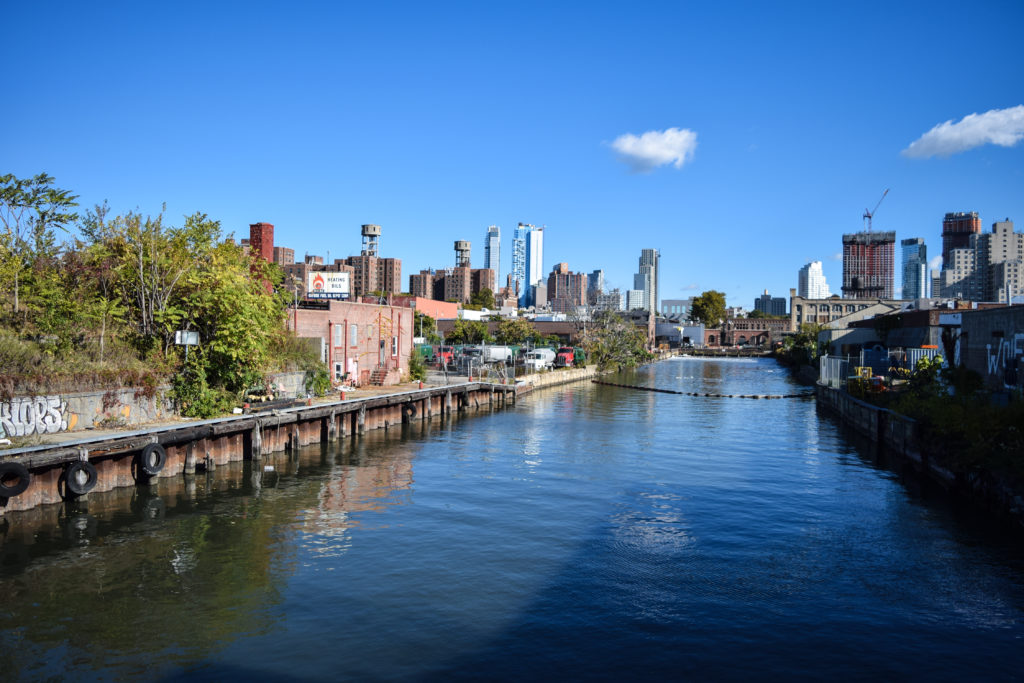
The Gowanus Canal cleanup, which is estimated to last two-and-a-half years, will get underway by fall. Photo: Rob Abruzzese/Brooklyn Eagle
By Scott Enman
February 28, 2019
Copy Link
Email
Facebook
X
LinkedIn
WhatsApp
Telegram
Pinterest
Print
The Environmental Protection Agency is casting doubt on a competing plan put forth by the city to keep untreated sewage from entering the toxic Gowanus Canal.
While federal employees were furloughed last month, the New York City Department of Environmental Protection presented a new idea for the canal’s cleanup: Install a tunnel to collect waste underneath the waterway instead of building two massive tanks along the canal — the EPA’s long-established plan.
The city’s proposal would be more costly and stall the project by at least three years.
EPA officials did not attend January’s Community Advisory Group meeting due to the government shutdown, but they were present at Tuesday’s gathering — and they made it clear that whichever choice is made will be theirs, and theirs alone.
“The decision lies with the EPA,” said Christos Tsiamis, EPA project manager for the federal Superfund site. “We will decide to pursue it or not. We have not endorsed this tunnel,” he added. “We’re still asking a lot of questions.”
Whether tunnel or tanks, both options would collect combined sewage overflow (CSO), which is rainwater and sewage that can overwhelm waste facilities during heavy downpours, causing it to be dumped — untreated — into waterways.
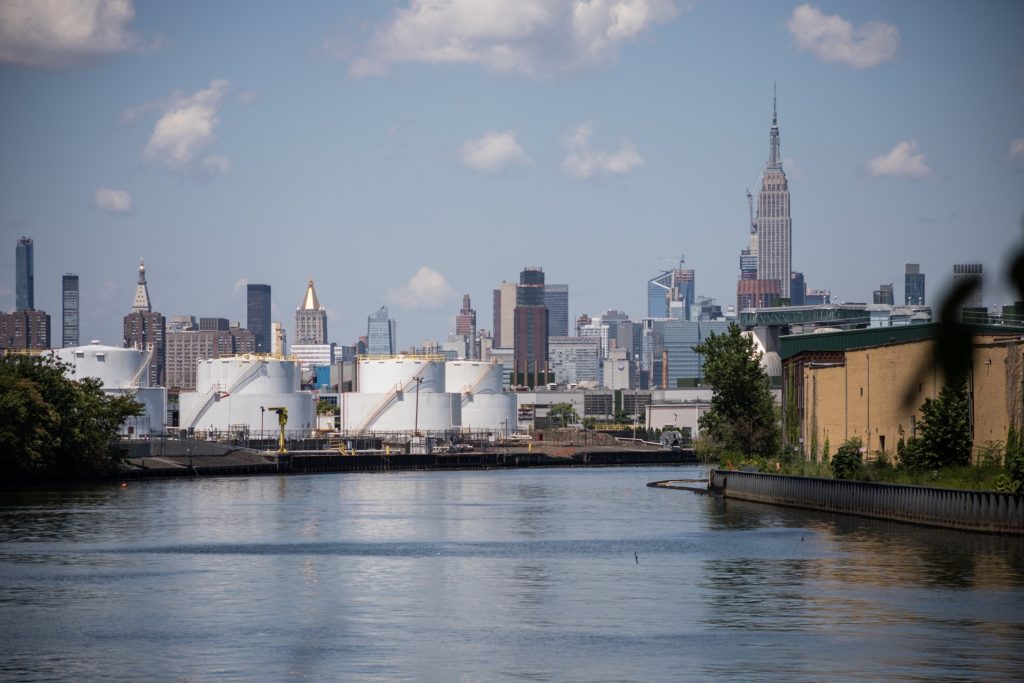
The CSO retention tanks along the canal are one part of the EPA’s overall plan to clean the Gowanus Canal, which also includes dredging contaminated deposit that has accumulated due to industrial and sewer discharges.
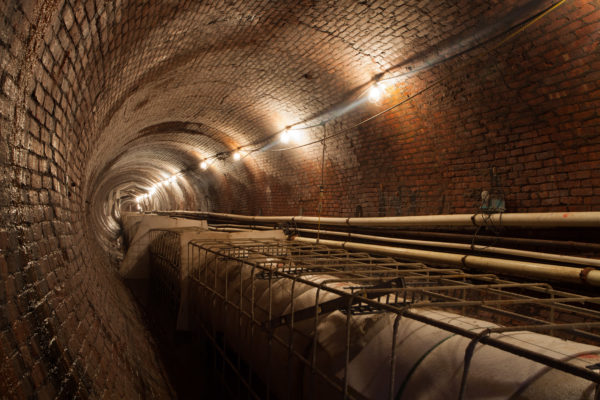
The city is proposing a tunnel be built underneath the Gowanus Canal. The half-mile, soft-ground underpass would be constructed similarly to the waterway’s flushing tunnel (shown). Photo by Steve Duncan
The half-mile, soft-ground tunnel would be constructed similarly to the waterway’s flushing tunnel, holding 16 million gallons of waste. The EPA’s current plan calls for an 8 million and 4 million gallon tank to be installed at two sites along the canal.
While the tunnel has the capacity to hold four million more gallons of waste, Tsiamis said the size of the two tanks could still increase as the project proceeds.
Sign up for Brooklyn Today, a morning newsletter for those who live, work and play in Brooklyn.
Once the tanks or tunnel fill up, rainwater and some waste will still flow into the canal, but that “second flush” will be cleaner. After the rain stops, the liquid in those containers will flow back into the sewers.
Although the city DEP highlighted the tunnel’s potential ability to extend in size, Tsiamis called the city’s presentation “simplified” and the issue “more complex.”
“Not all ideas are good for every place,” he said. “[The city] goes deep. We think deep before we go,” he added.
Tsiamis said the tunnel could also delay the cleanup by as many as three years. The tanks are estimated to be in the ground by 2027, while the city predicts the tunnel could be in place by 2030.
“We have some concerns about whether that [timeline] is real,” he said.
If the tunnel is ultimately selected, the EPA would also have to do another round of public hearings — a process already completed for the tanks.
The entire plan to install the two tanks would cost roughly $1.2 billion, according to Kevin Clarke of DEP. If the tunnel option is ultimately chosen, that price tag would increase by an additional $50 million.
Until the EPA makes a decision on which route to take, resources will be dedicated to exploring both options. The city is obligated to present a nearly complete design of the retention tanks by April.
SUNSET PARK — “As a resident of Marine Park, one of the great surprises I found biking around Industry City and visiting Japan Village was to discover Bush Terminal Park. I continue to be amazed at the serene hideaways that the city offers in some of the busiest places — and, still, with an iconic view.”
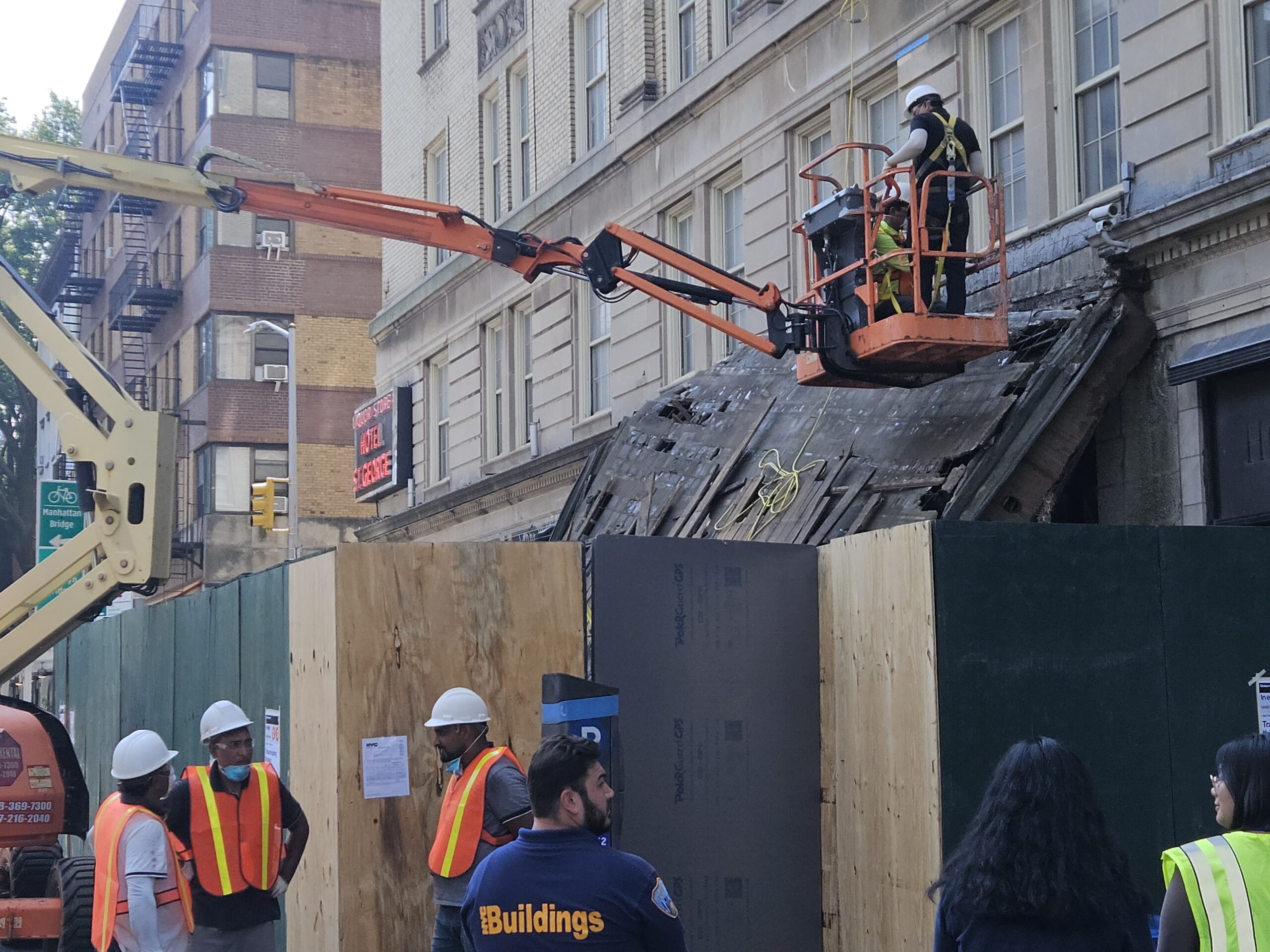
BROOKLYN HEIGHTS — ‘A miracle that no one was killed …’ That’s what neighbors are saying about the collapse of the Hotel St. George marquee. Shown in this photograph are workmen beginning the removal and repair of the historic, old neon sign at the corner, referencing a relic of Brooklyn Heights’ past: the St. George Hotel.
ATLANTIC AVENUE — Exhausted shopper with cluster of bags and goods from mall at Boerum Place stops to look at huge construction site across the street. “Is that REALLY going to be a jail??” Her male companion is reassuring, “Nothing like Rikers … this is 21st Century.”
BROOKLYN HEIGHTS — Overheard in line at one of most popular pastry outlets on Montague Street: “Hope I can get them into a camp …” A mother with two pre-schoolers in tow was showing a friend the Dodge Y flyer for Healthy Kids Day on Saturday, April 18.