The campaign to bring an Apple store to Brooklyn Heights, championed by this columnist, continues. Downtown Brooklyn Partnership President Joe Chan suggested to the
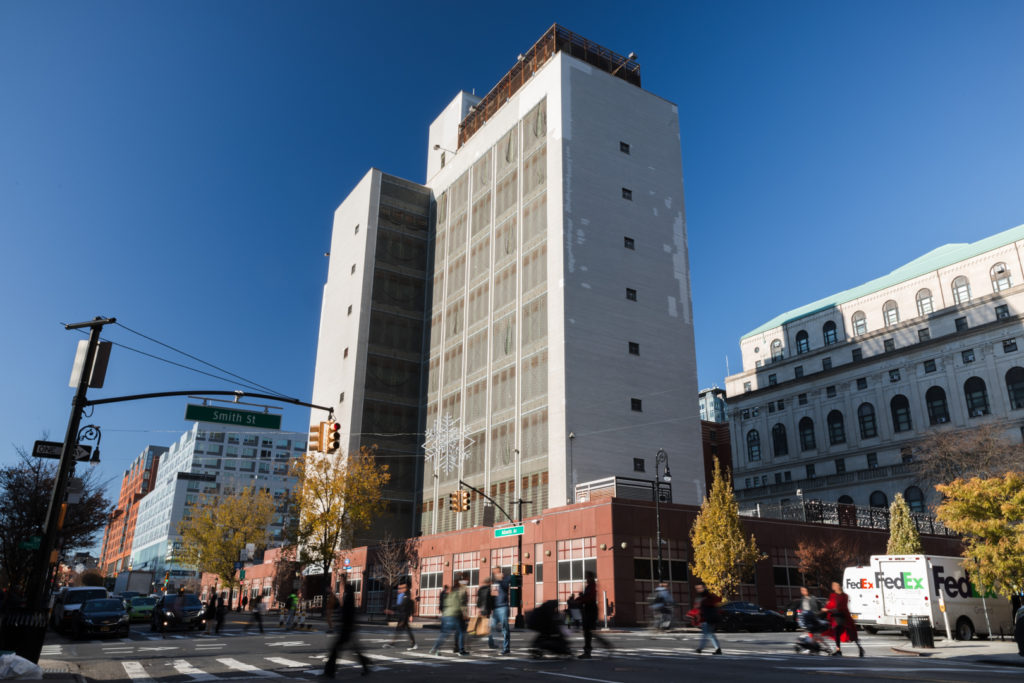
Daily News that an Apple store would be a suitable tenant for the first two floors of the Municipal Building on Joralemon and Court streets, if it were converted to retail. (The
Eagle first reported on the partnership’s proposal to convert the Municipal Building on Oct. 11.) Chan also suggested to the
Daily News that a Bed, Bath & Beyond (yawn) plus other retail and a restaurant or entertainment venue would work there.
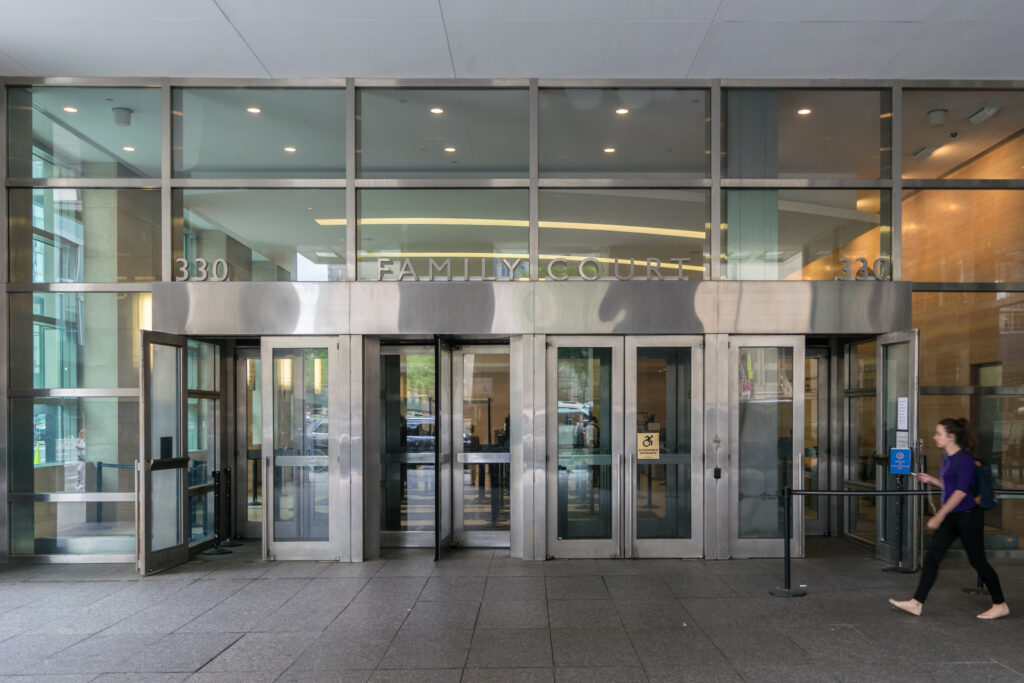
Deputy Mayor Dan Doctoroff said the city is “seriously considering” Chan’s proposal, which would involve relocating city agencies occupying 22,000 square feet of space, such as the Brooklyn office of the City Clerk, where marriage licenses are obtained. But the change could alter the building’s character, said Lisa Kersavage of the Municipal Art Society, a group working to create a “Borough Hall Skyscraper District” that would protect with city landmark status 28 buildings in the area, including the Municipal Building.
Another important consideration: Would the Municipal Building command high enough rents to offset the cost of restructuring the building for retail and relocating the current government tenants? And given that Manhattan’s marriage bureau is reportedly about to undergo a costly relocation to attract more “nuptial tourism,” its interior to be designed by the mayor’s personal decorator, Jamie Drake, would Brooklyn’s new wedding digs also get first class treatment?
As far as the Apple store, the New York Post earlier reported that the company is negotiating for ground-floor space in the luxury condominium development The Edge on Kent Avenue and North Fifth Street in Williamsburg.
If there are plans for only one Brooklyn store, the Eagle thinks the Downtown Brooklyn area is a better location, within walking distance from 10 subway lines in comparison to The Edge's one (however crowded the L train may be). Although the L train constituency more closely resembles Apple’s hipster spokespeople, one could reasonably guess that the company would have more combined customers along the 2, 3, 4, 5, M, R, F, A, C and G trains (not to mention the D, N, B and Q trains that connect not far away).
Atlantic Terrace, Brooklyn’s largest green affordable housing developmen(as reported by Linda Collins on the Eagle’s Brooklyn Space page Sept. 27) will have to go without solar panels on the roof because they would be worthless once cast in the shadows of the Atlantic Yards arena and high-rise development across the street. Yesterday, Michelle de la Uz, executive director of the non-profit Fifth Avenue Committee, which is developing Atlantic Terrace, told the
New York Post that solar panels would have led to significant savings for residents, but now they’ll have to pay for a combination of traditional and renewable energy.
In the Eagle’s Sept. 27 article, architect Magnus Magnusson of Magnusson Architecture & Planning, said the solar roof would have been possible if Ratner’s towers had been reduced in height to 20 or 25 stories. “It’s just not an option for a building that will be in substantial shade all year round.”
The state passed the 421-a legislation yesterday, which expands the areas where developers are required to include affordable housing in their projects to receive property tax abatements. But the legislation includes a controversial provision for Atlantic Yards that allows developer Forest City Ratner Companies to provide fewer units for low-income families.
While the modified version of the bill still gives Ratner tax abatements for the towers without affordable units, the abatement is for a shorter period of time, and are contingent upon the project meeting affordability requirements during each phase of construction. The affordability requirement for Atlantic Yards is the same as other heavily subsidized projects — 20 percent of the units would have to be affordable to those earning, on average, 90 percent of the Area Median Income (AMI), versus the earlier version of the bill that required Atlantic Yards to make 20 percent of the units affordable to those earning, on average, 70 percent.
Other developers are now required to make 20 percent of their units available to those earning no more than 60 percent AMI if they’re building within “the zone.” Prior to yesterday’s expansion of the inclusion zone, Atlantic Yards didn’t have to provide any affordable units in order to receive the abatements, but planned to anyway.
— Compiled by Sarah Ryley
© Brooklyn Daily Eagle 2007
All materials posted on BrooklynEagle.com are protected by United States copyright law.
Just a reminder, though -- It’s not considered polite to paste the entire story on your blog. Most blogs post a summary or the first paragraph,( 40 words) then post a link to the rest of the story. That helps increase click-throughs for everyone, and minimizes copyright issues.
So please keep posting, but not the entire article. arturc at att.net
Main Office 718 422 7400