Brooklyn DA celebrates Black History Month with art and justice conversation
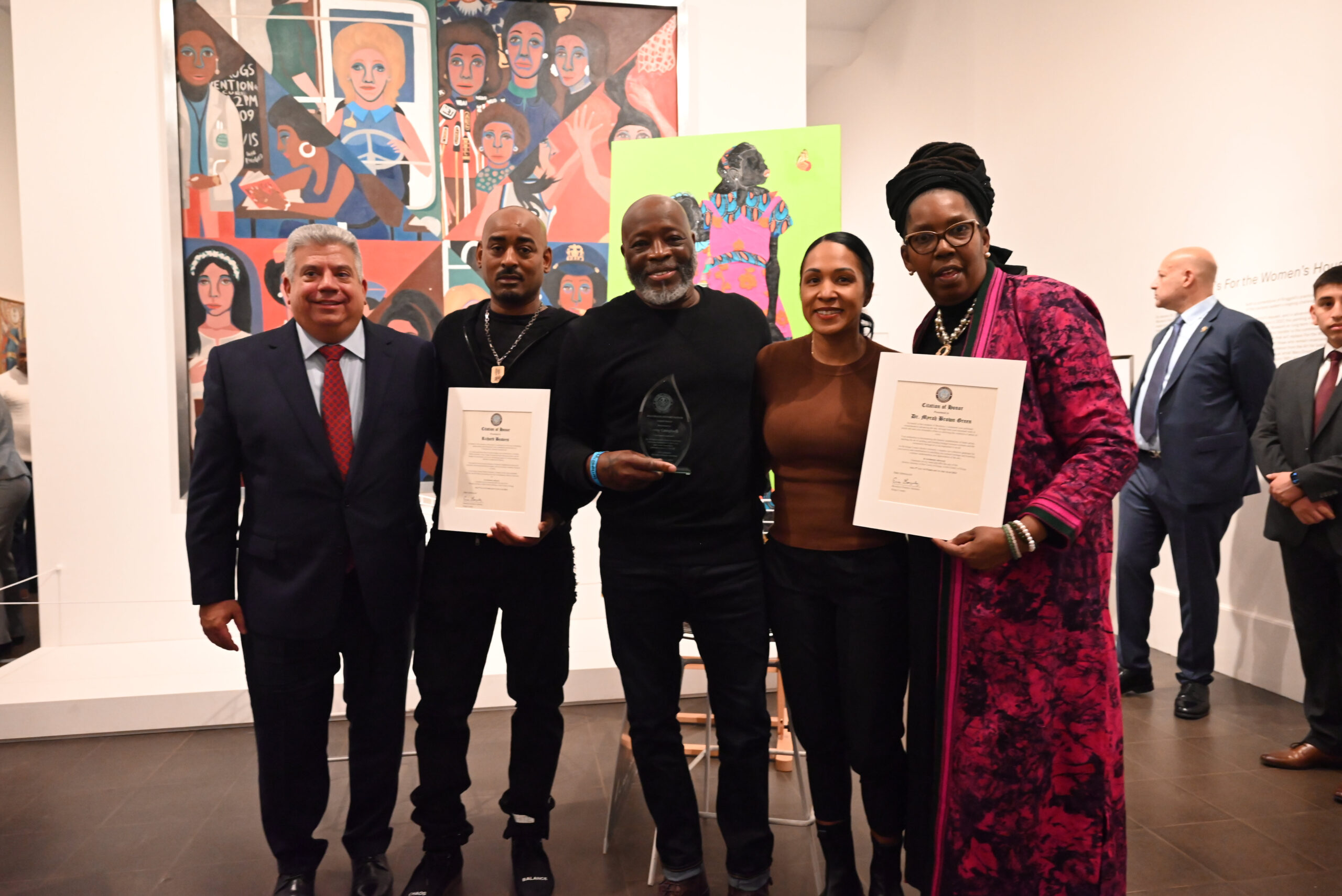
Pictured from left to right: District Attorney Eric Gonzalez, Richard Beavers, Leroy Campbell, NYPD First Deputy Commissioner Tania Kinsella and Dr. Myrah Brown-Green. Photos courtesy of the Brooklyn DA’s Office
By Robert Abruzzese, Courthouse Editor
February 9, 2024
Copy Link
Email
Facebook
X
LinkedIn
WhatsApp
Telegram
Pinterest
Print
The Brooklyn District Attorney’s Office hosted an event at the Brooklyn Museum on Saturday, that commemorated Black History Month with an engaging discussion titled “In Conversation with Leroy Campbell: A Discussion on Art’s Intersectionality with History and Social Justice.”
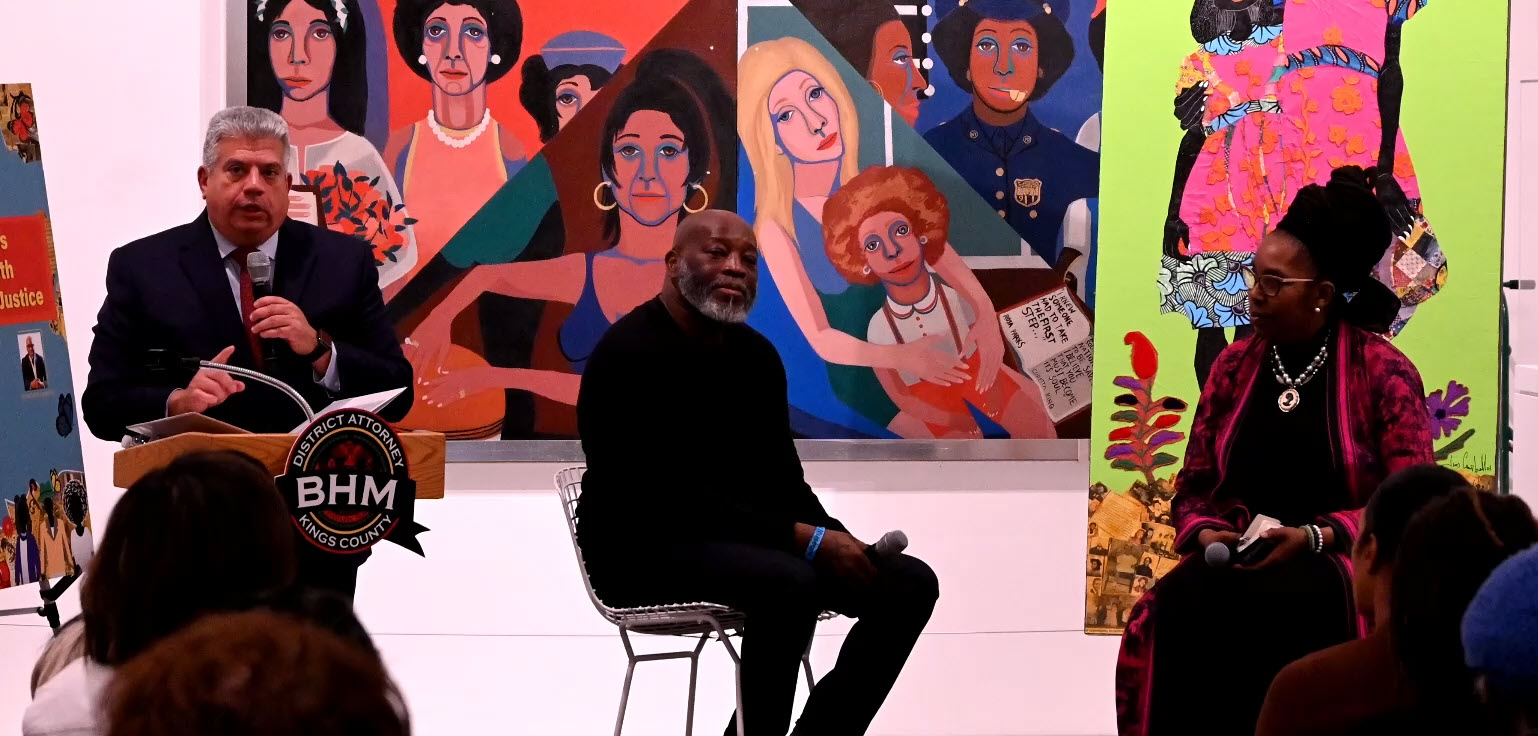
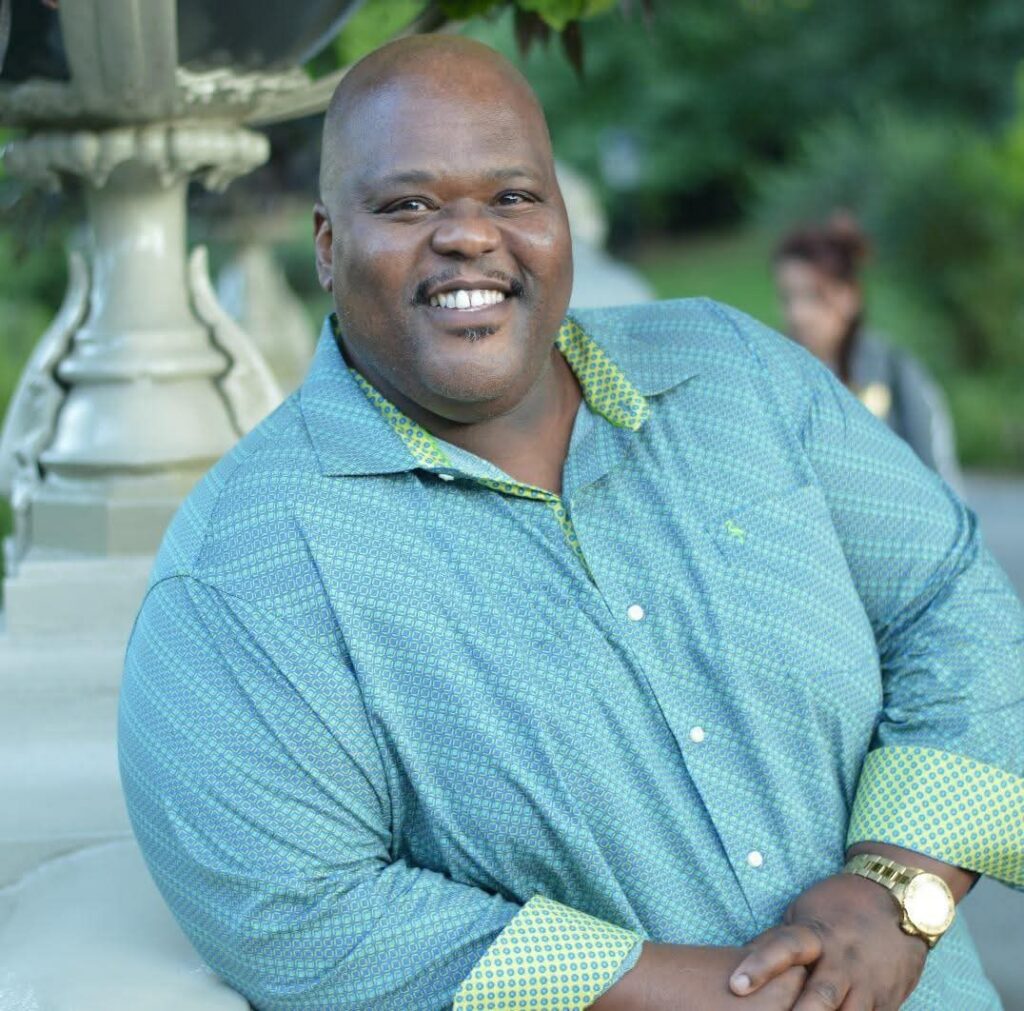
The event, held in the museum’s American Art Gallery, featured a dialogue between acclaimed artist Leroy Campbell and Dr. Myrah Brown-Green, a respected professor at Medgar Evers College and founder of Voices of Art, with art gallery owner Richard Beavers serving as the master of ceremonies.
District Attorney Eric Gonzalez opened the event by emphasizing the vital role that Black artists have played in shaping the cultural and social landscape, not only in Brooklyn but globally.
“This year’s theme highlights the profound impact that Black Americans have had in the arts. Brooklyn in particular has been home to an array of remarkable black artists whose talents have transcended boundaries and genres — from Lena Horne to Jay-Z, Jean-Michel Basquiat to Spike Lee,” District Attorney Eric Gonzalez said in introducing the artists. “Throughout history, Black artists have used their talents to highlight injustice, address social issues, inspire change and bring communities together.”
District Attorney Eric Gonzalez (left) introduces Leroy Campbell and Dr. Myrah Brown-Green at Saturday’s Black History Month event that was held at the Brooklyn Museum.
The DA also shed light on the collaborative efforts between his office and the Brooklyn Museum, particularly focusing on an innovative alternative to incarceration program. This initiative offers individuals arrested for certain minor offenses an opportunity for transformation through art, rather than prosecution.
“This is not just about avoiding prosecution; it’s about transformation,” Gonzalez said. “It’s about how art can open doors to new perspectives, encourage self-reflection, and foster a sense of responsibility.”
Leroy Campbell, a self-taught artist whose work resonates with the influences of Jacob Lawrence and Charles Motley, as well as his own Gullah-Geechee heritage, has shared his vision of humanity as a garden, drawing parallels to the “Three Sisters” gardening technique used by Native Americans. His art, rich with historical narratives, seeks to connect the past with the present, urging a collective understanding and appreciation of African American contributions.
His work, described as “riveting” by Essence Magazine’s Editor at Large Mikki Taylor, aims to foster a sense of belonging and understanding, encouraging a nurturing environment where every individual can thrive and contribute positively to society.
The Brooklyn DA’s Black History Month event not only celebrated the profound impact of Black artists on the fabric of American culture but also underscored the importance of integrating art with social justice initiatives to foster a more inclusive and empathetic community.
SUNSET PARK — “As a resident of Marine Park, one of the great surprises I found biking around Industry City and visiting Japan Village was to discover Bush Terminal Park. I continue to be amazed at the serene hideaways that the city offers in some of the busiest places — and, still, with an iconic view.”
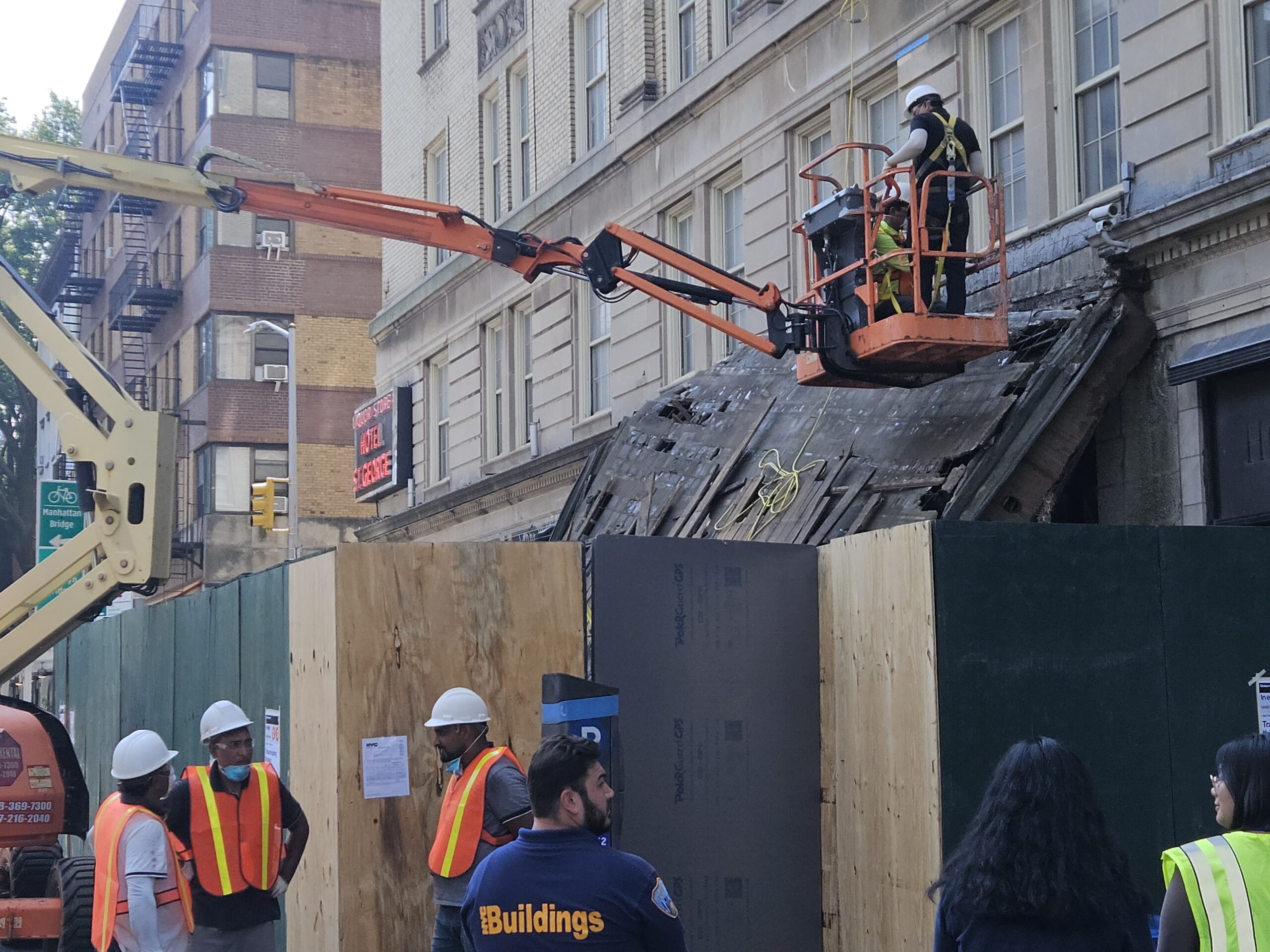
BROOKLYN HEIGHTS — ‘A miracle that no one was killed …’ That’s what neighbors are saying about the collapse of the Hotel St. George marquee. Shown in this photograph are workmen beginning the removal and repair of the historic, old neon sign at the corner, referencing a relic of Brooklyn Heights’ past: the St. George Hotel.
ATLANTIC AVENUE — Exhausted shopper with cluster of bags and goods from mall at Boerum Place stops to look at huge construction site across the street. “Is that REALLY going to be a jail??” Her male companion is reassuring, “Nothing like Rikers … this is 21st Century.”
BROOKLYN HEIGHTS — Overheard in line at one of most popular pastry outlets on Montague Street: “Hope I can get them into a camp …” A mother with two pre-schoolers in tow was showing a friend the Dodge Y flyer for Healthy Kids Day on Saturday, April 18.