 This story was originally published on Sept. 23 by THE CITY.
City Hall plans this week to finally unveil a long-overdue overhaul of how the NYPD deals with mentally ill New Yorkers, amid hopes of defusing potentially deadly encounters, THE CITY has learned.
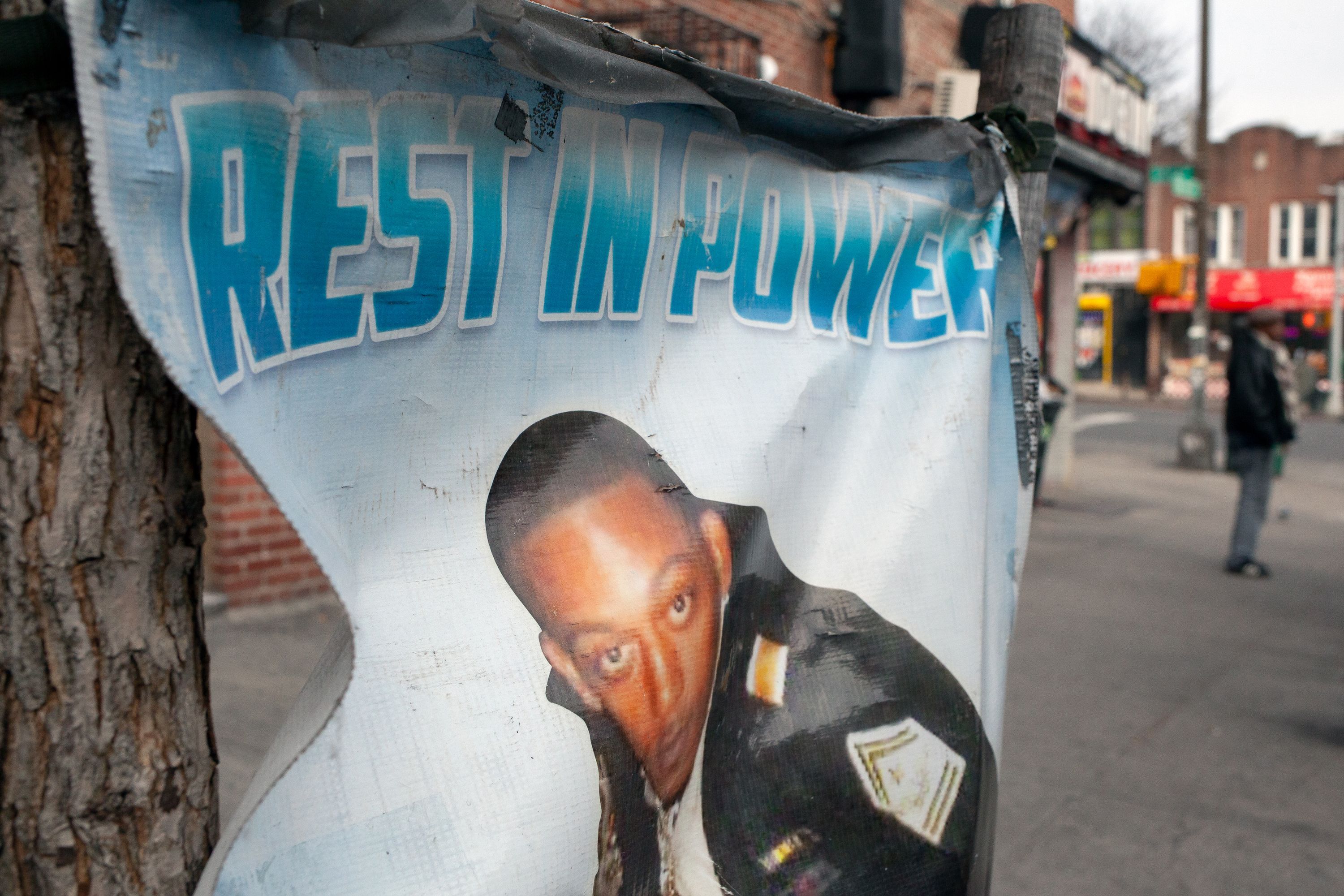
Mayor Bill de Blasio and his wife, Chirlane McCray, who spearheads the ThriveNYC mental health program, announced the formation of a task force days after the April 4, 2018, police killing of Saheed Vassell in Crown Heights.
Vassell, who was diagnosed as bipolar, had been waving a piece of pipe on a busy street, alarming passersby. He was shot by cops who thought he had a weapon, becoming one of the more than a dozen mentally ill people killed by police since 2016.
The task force’s report, expected to include calls for increased coordination between police and mental health professionals, was originally due last October. A draft plan on how to bolster the city’s crisis response system has been kicking around since December.
As THE CITY reported earlier this year, calls to 911 reporting what the NYPD terms EDPs — “emotionally disturbed persons” — have nearly doubled over the last decade, rising annually and in every precinct. Yet the police force has lagged in training officers on how to deal with mentally ill people.
For weeks, City Hall representatives declined to give a timetable for the report, which the mayor and McCray pledged would provide “a comprehensive strategy to prevent these situations from escalating and enhance the city’s crisis response system.”
That changed on Friday, a few hours after de Blasio announced he was dropping his bid for the Democratic presidential nomination.
“The recommendations of the task force have been carefully considered over the last several months by the city, and we will release our implementation plan next week,” Siobhan Dingwall, a mayoral spokesperson, wrote Friday in an emailed response to a query by THE CITY.
An examination by THE CITY found that the number of 911 calls to police regarding incidents involving emotionally disturbed persons rose from 97,000 in 2009 to 180,000 last year.
THE CITY also found that besides the delayed task force plan, City Hall fell far behind on several other promised reforms — including looping into 911 “co-response” teams of cops and trained health care professionals that tackle incidents together.
This story was originally published by THE CITY, an independent, nonprofit news organization dedicated to hard-hitting reporting that serves the people of New York.