New legislation currently being drafted in the New York City Council will look to enhance transparency regarding the set of favored nonprofits that have been on the receiving end of million dollar properties.
City Council member Robert Cornegy, Jr. — who represents large portions of brownstone Brooklyn, including the historically black neighborhoods of Bedford-Stuyvesant and northern Crown Heights — is ready to lift the veil when it comes to “third party” organizations receiving deeds under the Third Party Transfer program.
Under the TPT program, which is run by the Department of Housing Preservation and Development, the city designates “distressed” properties to be transferred to qualified sponsors (nonprofit or for-profit developers) that can purchase and rehabilitate both vacant and occupied multi-family properties to be used for affordable housing.
Cornegy is putting forward two new bills. The first would require that nonprofits in the program publicly disclose on their website or in some other transparent manner all the properties they manage or own for which they receive public funding. The second would mandate that all nonprofits in the program that manage property and provide foreclosure counseling services recuse themselves from receiving a property for which they previously provided consultation.
“One thing that has been made very clear over the last few months is that there is a need for greater transparency around the Third Party Transfer process,” Cornegy said. “In addition to needing greater transparency from HPD, it is essential that nonprofit developers, who receive government benefits and incentives to rehabilitate these properties, are transparent in their involvement as well.”
In at least one of the six cases in which homeowners sued the city and won back deeds to their properties in Brooklyn Supreme Court, a nonprofit that was counseling one of the property owners ahead of the foreclosure ended up receiving the deed to the property.
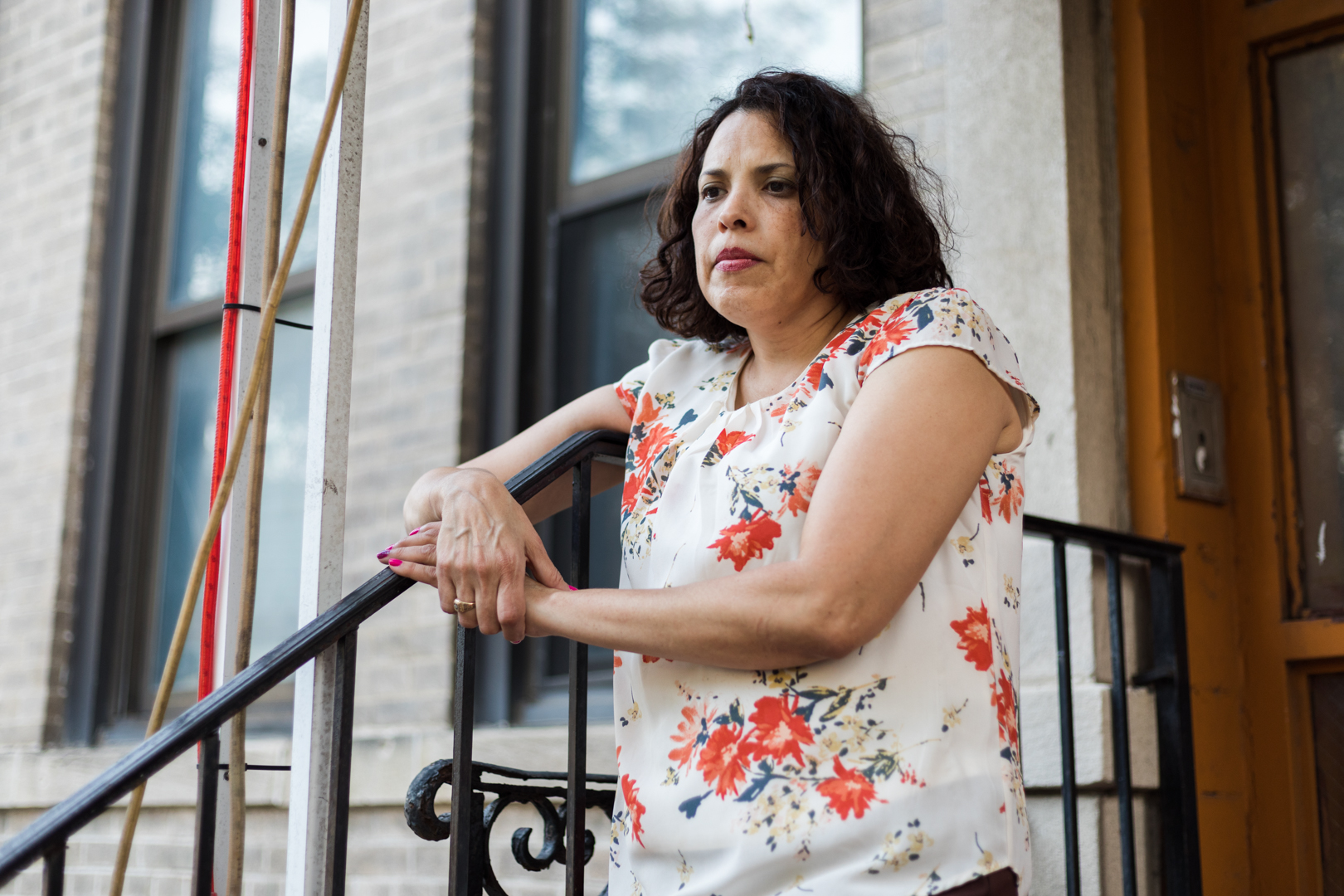
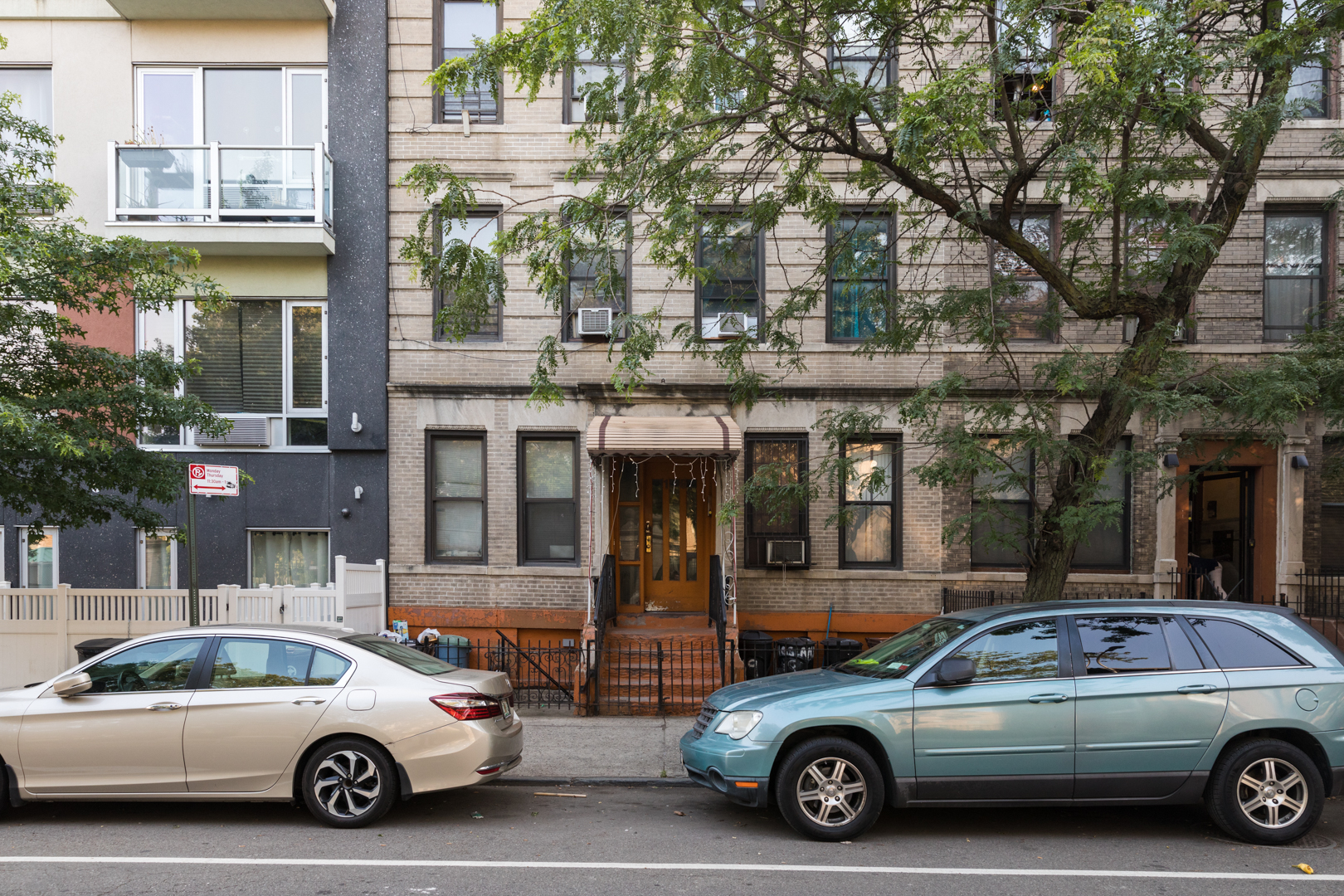
This is what happened to Yudy Ventura’s family, along with five other tenant families who own the property at 19 Kingsland Ave.
Yudy Ventura. Eagle file photo by Paul Frangipane
When their building was facing financial difficulties, the tenants reached out to St. Nicks Alliance for counseling. Ultimately, St. Nicks ended up their landlord, receiving the deed of the property through the TPT program.
According to their website, St. Nicks boasts a $10 million property management portfolio across 65 properties. The website does not provide the locations of those buildings.
St. Nicks also receives a hefty sum of funding from the city, including from councilmember and Brooklyn borough president hopeful Antonio Reynoso, who represents Ventura’s neighborhood.
This fiscal year, the organization received $540,900 in funding from the City Council — more than $309,000 of which was for the preservation of affordable housing.
St. Nicks Alliance did not respond to repeated calls for comment.
The pair of bills will join a series of six other measures set to reform the program many claim is racist and overreaching in scope. The package is set to be introduced this fall once the working group tasked with providing recommendations on changes to the program officially submits its proposals. The group is set to meet again at the end of this month with a third meeting planned later in the year, according to Cornegy spokesperson Edward Amador.
“We have not yet reviewed the proposed legislation, but we look forward to our continued partnership with the council and the community as we push forward with the TPT working group to modernize this program that’s a critical tool to protect tenants,” said HPD spokesperson Matthew Creegan.
City Councilmember Antonio Reynoso was not available for comment.
Update (Oct. 3 at 5 p.m.): This article has been updated with the correct spelling of the nonprofit’s name. It is St. Nicks Alliance, not St. Nick’s Alliance.
All of HPD preferred vendors should be looked at. Especially anything related to L&M Development, Donald Capoccia affiliated with BFC Construction, Abyssinian Church and Harlem Congregation HCCI.
As an activist-scholar involved in related issues in Brooklyn for half a century, I can attest that openness and public scrutiny of all types of ‘community’ organizations subsided by public, or private, funds is necessary. From past experience, I believe that Nick’s is okay but too often we take the word ‘nonprofit’ to mean beyond reproach. Please note that the NRA is a ‘nonprofit’ that is hardly beyond reproach.
SUNSET PARK — “As a resident of Marine Park, one of the great surprises I found biking around Industry City and visiting Japan Village was to discover Bush Terminal Park. I continue to be amazed at the serene hideaways that the city offers in some of the busiest places — and, still, with an iconic view.”
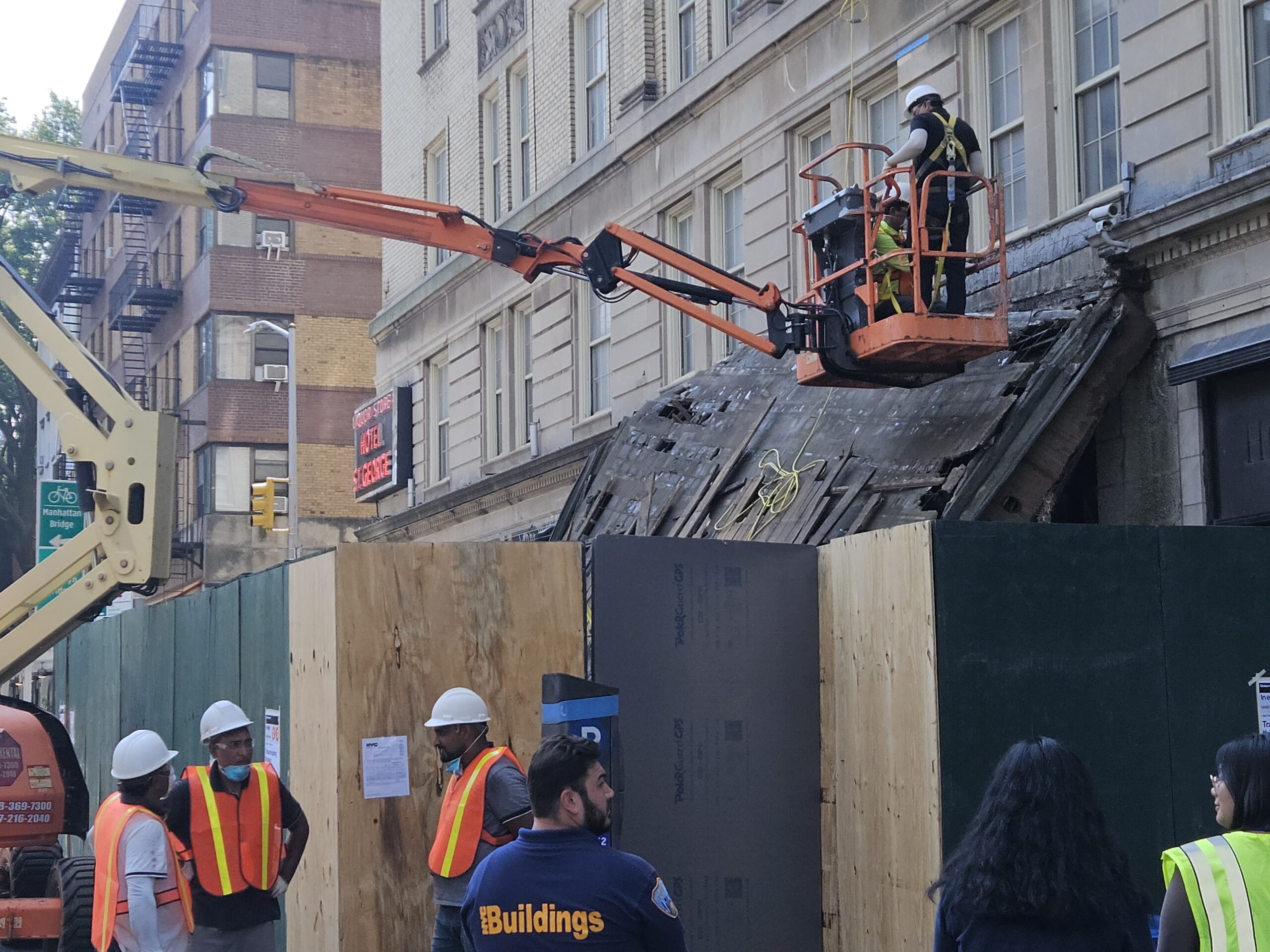
BROOKLYN HEIGHTS — ‘A miracle that no one was killed …’ That’s what neighbors are saying about the collapse of the Hotel St. George marquee. Shown in this photograph are workmen beginning the removal and repair of the historic, old neon sign at the corner, referencing a relic of Brooklyn Heights’ past: the St. George Hotel.
ATLANTIC AVENUE — Exhausted shopper with cluster of bags and goods from mall at Boerum Place stops to look at huge construction site across the street. “Is that REALLY going to be a jail??” Her male companion is reassuring, “Nothing like Rikers … this is 21st Century.”
BROOKLYN HEIGHTS — Overheard in line at one of most popular pastry outlets on Montague Street: “Hope I can get them into a camp …” A mother with two pre-schoolers in tow was showing a friend the Dodge Y flyer for Healthy Kids Day on Saturday, April 18.


























3 Responses
All of HPD preferred vendors should be looked at. Especially anything related to L&M Development, Donald Capoccia affiliated with BFC Construction, Abyssinian Church and Harlem Congregation HCCI.
As an activist-scholar involved in related issues in Brooklyn for half a century, I can attest that openness and public scrutiny of all types of ‘community’ organizations subsided by public, or private, funds is necessary. From past experience, I believe that Nick’s is okay but too often we take the word ‘nonprofit’ to mean beyond reproach. Please note that the NRA is a ‘nonprofit’ that is hardly beyond reproach.
St. Nicks Alliance received no communications or requests for comment from this reporter.