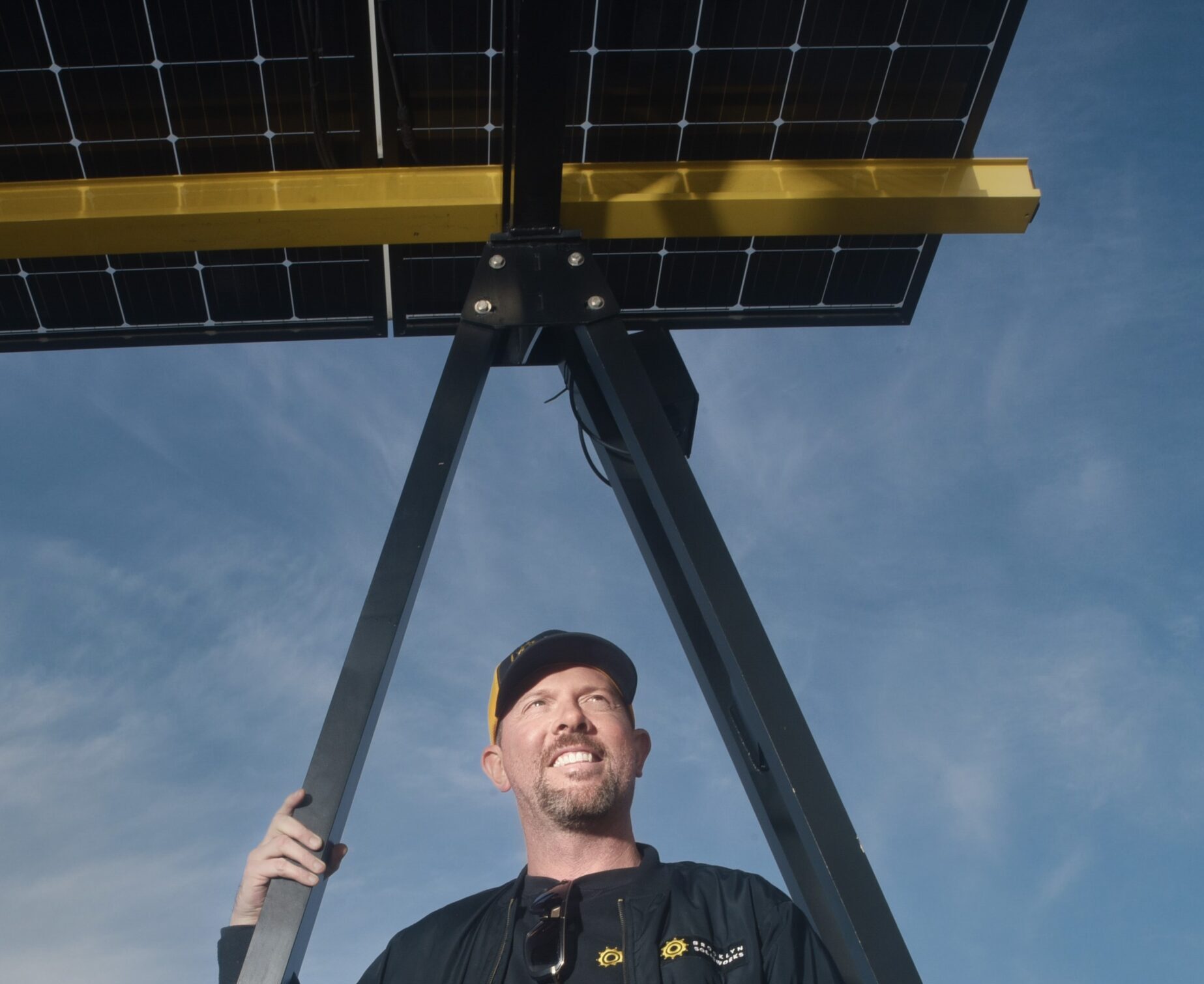
 As a solar energy professional working in the heart of New York City, I see firsthand the growing appetite for clean, affordable power. Our city’s residents are increasingly feeling the pinch of rising utility bills, a trend that shows no signs of slowing. Rooftop solar offers a direct path for families to gain control over their energy expenses, but without incentives, the upfront system costs prevent many New Yorkers from making the switch.
It’s time our state government acted decisively by modernizing the residential solar tax credit and fully embracing the goals of the Accelerate Solar for Affordable Power Act to make solar energy generation accessible to all.
Refocusing tax incentives for solar access
As it stands, the existing residential solar tax credit creates a paradox where those who would benefit the most are locked out of the benefits solar has to offer.
The tax credit, capped at a flat $5,000, has not been increased since 2006 and is simply not adequate in addressing the economic realities faced by many New York families today. While a welcome incentive, the $5,000 cap, with its non-refundable nature, means that low-income homeowners and seniors with limited tax liability often can’t fully benefit.
Our state legislature has an opportunity to rectify this. Senator Harckham and Assemblymember Walker have championed a crucial bill (S.2626 | A.1373) that proposes much-needed updates to the tax credit. This forward-thinking proposal has been included in both the Senate and Assembly budget proposals and signals a strong bipartisan understanding of its importance.
Perhaps the most important update the bill proposes is to make the credit refundable to ensure that low-income families and seniors can immediately access the savings solar offers rather than having to cover the upfront expense and wait to redeem savings as a tax refund.
Additionally, energy storage will be added to the credit’s coverage, another smart move, recognizing the growing importance of battery technology in ensuring grid resilience and maximizing the benefits of solar.
Furthermore, the bill will extend equitable access to co-op and condo residents, unlocking the solar potential of a significant portion of our urban landscape.
And finally, the bill will increase the per-household cap to $10,000 to better reflect the true cost of modern solar installations.
Setting goals with the ASAP act
While New York has made commendable progress towards its distributed solar goals, we cannot afford to rest on our laurels, especially with increasing electricity demand. Beyond updating the tax credit, we must also address the systemic challenges hindering the widespread adoption of solar.
This is where the ASAP Act comes into play. The ASAP Act recognizes the need for a more ambitious vision, but crucially, it also focuses on driving down costs to make solar truly affordable for all.
One of the most significant barriers to solar deployment is the escalating cost of utility interconnection. Over the past five years, these costs have ballooned fivefold, threatening the viability of community solar projects that are vital for expanding access to those who cannot install rooftop systems.
The ASAP Act proposes sensible solutions to counter these rising costs.
It calls for stronger oversight of utility expenses, enabling self-performance to foster competition.
It also embraces flexible interconnection strategies that leverage smart grid technology to avoid expensive traditional upgrades.
These measures are not just about supporting the solar industry; they are about ensuring that the benefits of clean, affordable energy reach every corner of our state.
New York has a proud history of environmental leadership. Now, more than ever, we need to demonstrate that leadership by embracing policies that make clean energy accessible to all, regardless of income. Modernizing the residential solar tax credit and fully implementing the principles of the ASAP Act is not just good environmental policy; it is sound economic policy that will empower families, create jobs, and build a more resilient energy future for New York.