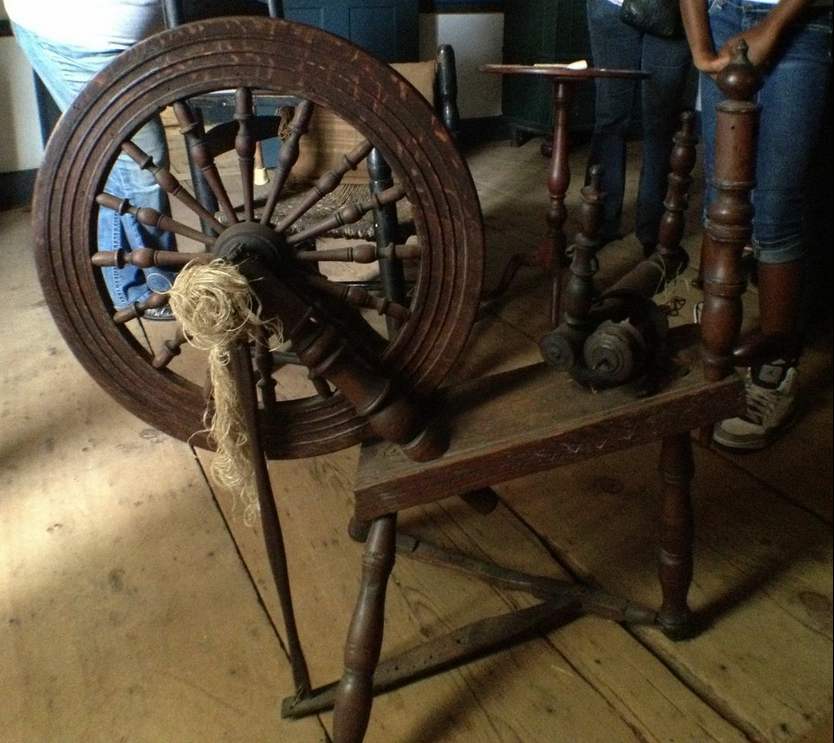
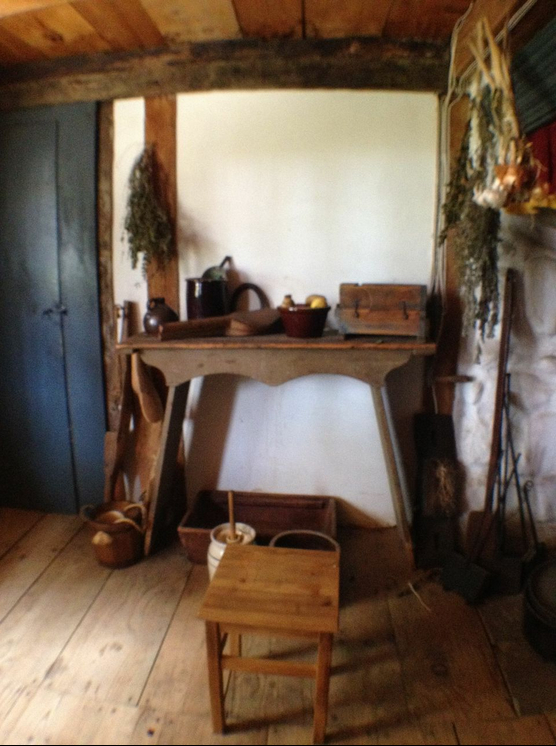
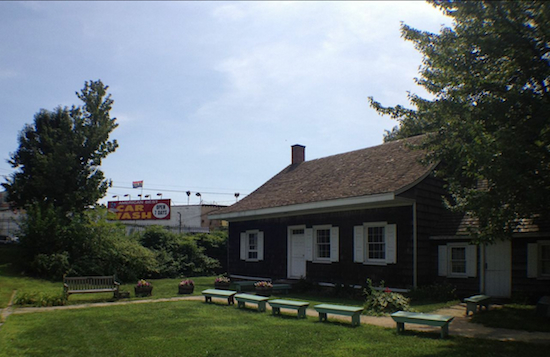
It’s a place that inspires reverence among the real estate-obsessed: The oldest building in New York City.
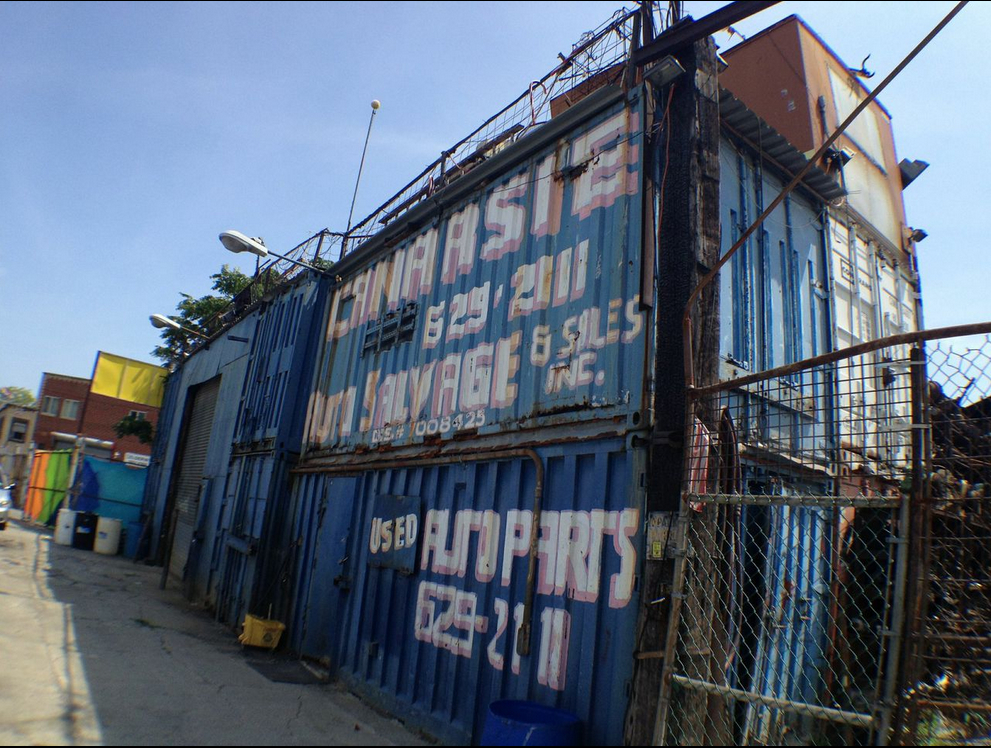
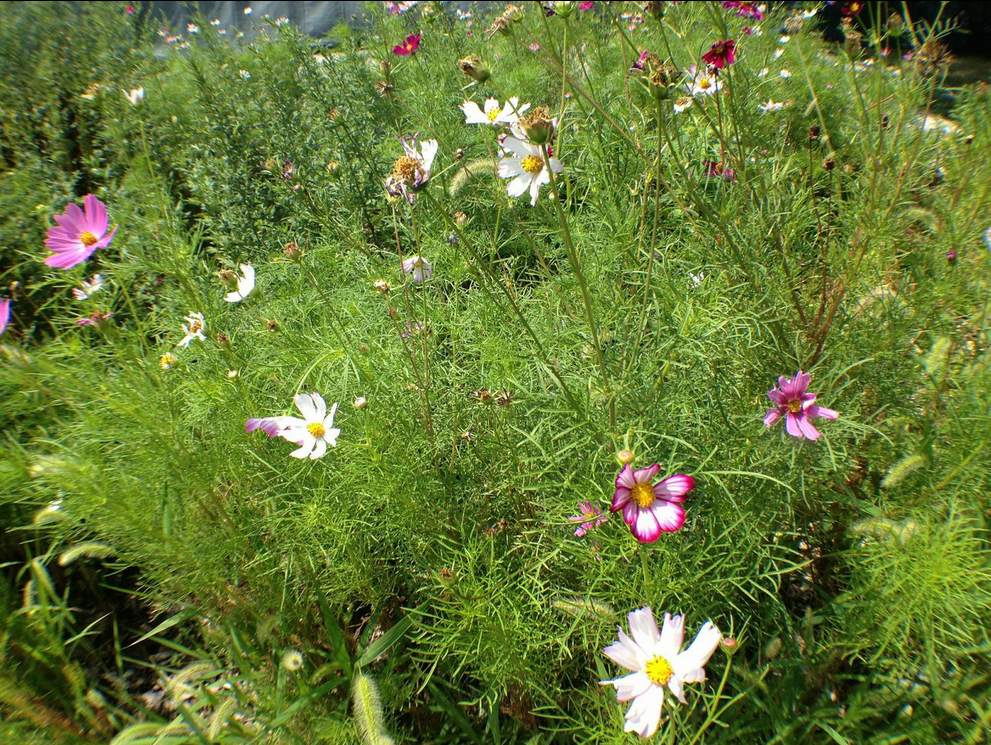
It sits on a bucolic bit of farmland left over from the 1600s — across the street from an East Flatbush junk yard and car wash.
That Pieter Claesen Wyckoff House, whose oldest section was constructed around 1652, should survive until now is partly dumb luck.
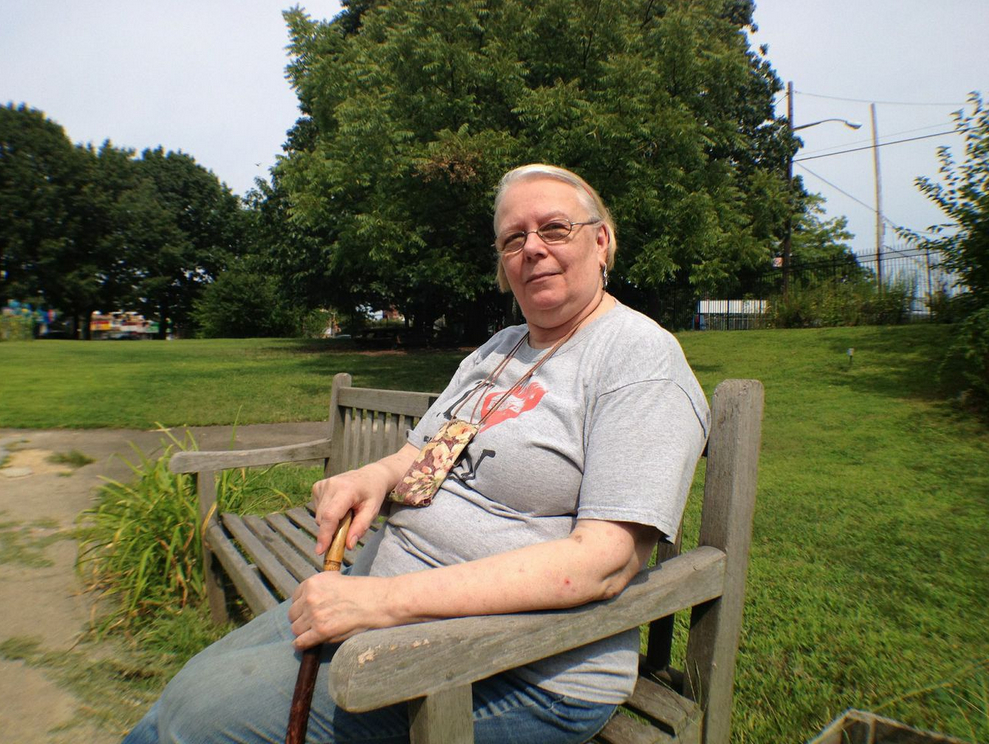
“The house was ignored into existence,” said Lucie Chin, a staff member at the historic property, which is now a city-owned museum in a 1.5-acre park.
It passed from developer to developer for decades without being torn down after the Wyckoff family, who had lived at and farmed the property continuously, sold it in 1901.
Wyckoff descendants repurchased the farmhouse at 5816 Clarendon Road in 1961 and gave it to the city. In 1965 it was the very first building to be designated a city landmark.
“This house just wants to be here,” Chin told Eye on Real Estate. “It is stubborn. It refuses to die.”
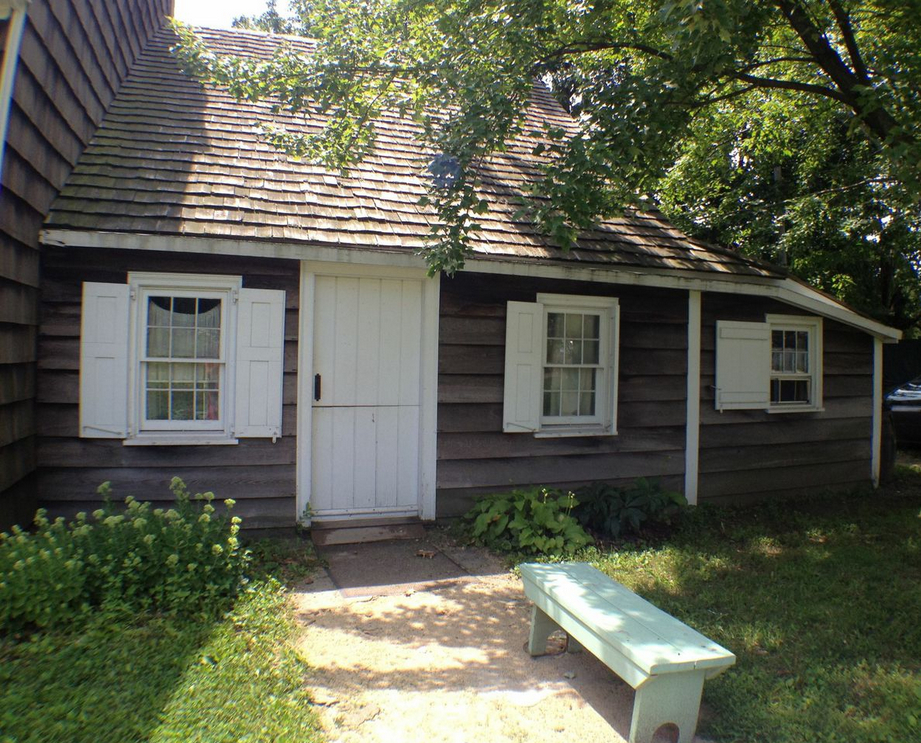
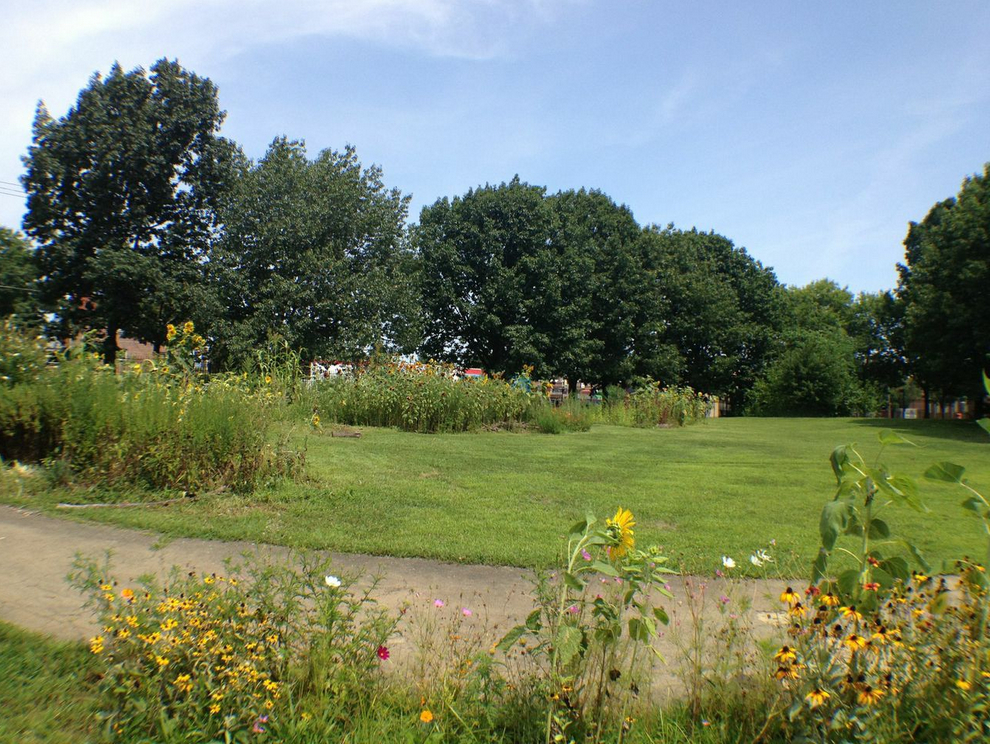
Before a renovation the historic home — where visitors can now see a bit of exposed inner wall made of “wattle and daub,” which is wood and mud mixed with straw — languished in disrepair.
In 2012, it narrowly escaped disaster: “Hurricane Sandy knocked four trees down. They missed the house by a foot,” Chin said.
The house, protected by a live-in caretaker, had a problem with non-human intruders recently. “Squirrels in the attic ate the [exterior] shingles,” she explained. “We had to have Animal Control take them to Bronx River Park. We hope they don’t find their way back.”
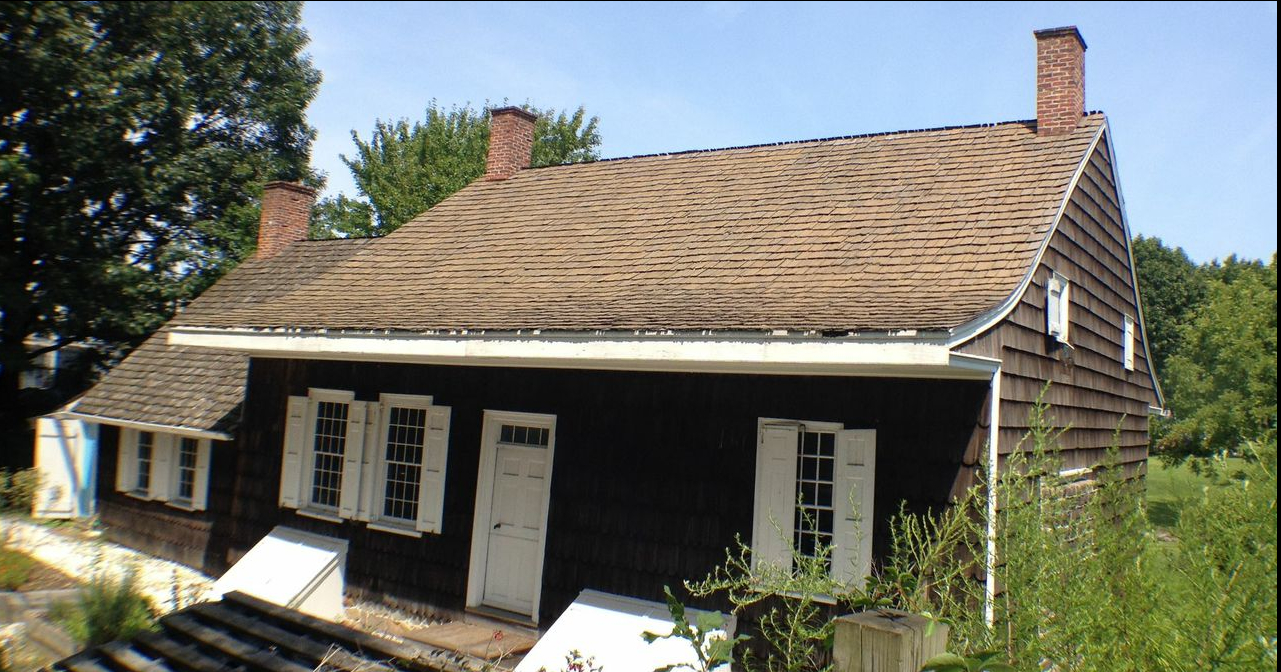
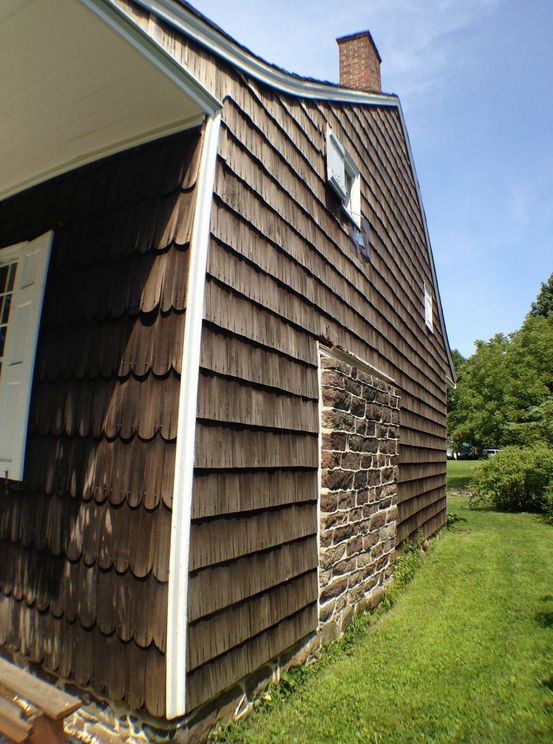
The heating and air-conditioning system broke last November at the iconic house, whose oldest section is covered by brown clapboard. Capital has been allocated for a fix-up but the work hasn’t been done. When school groups visited last winter, though space heaters were used, it was so cold the kids couldn’t take off their coats.
Pieter Claesen Wyckoff House has a perennial need for funds. See wyckoffmuseum.org to make donations.
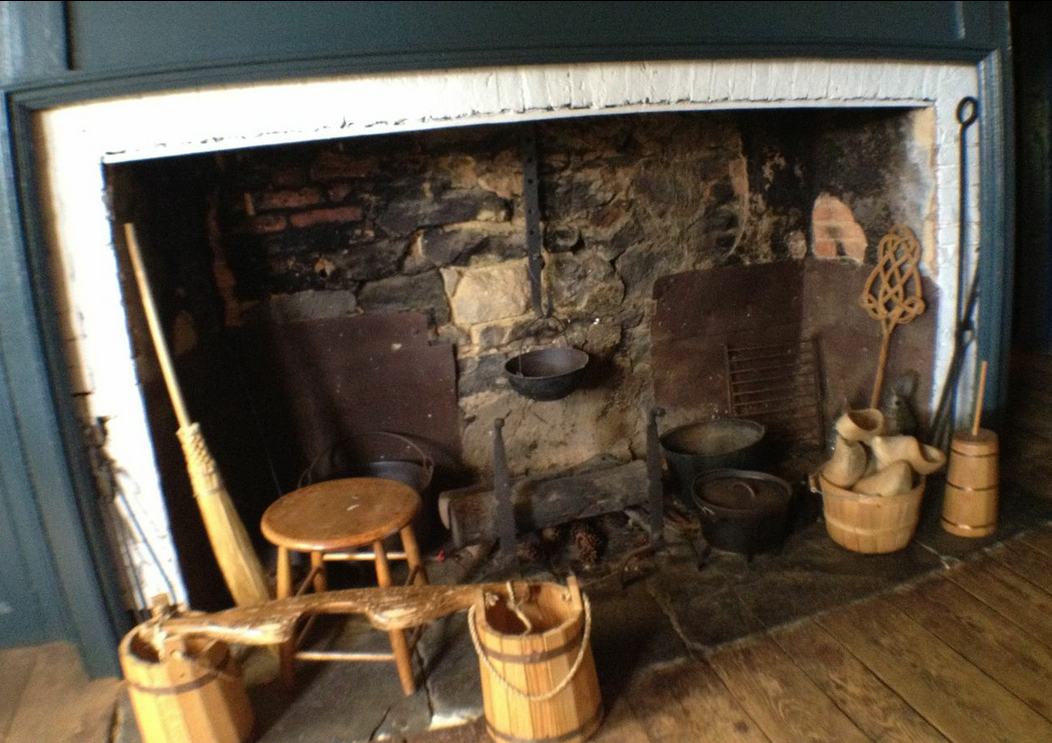
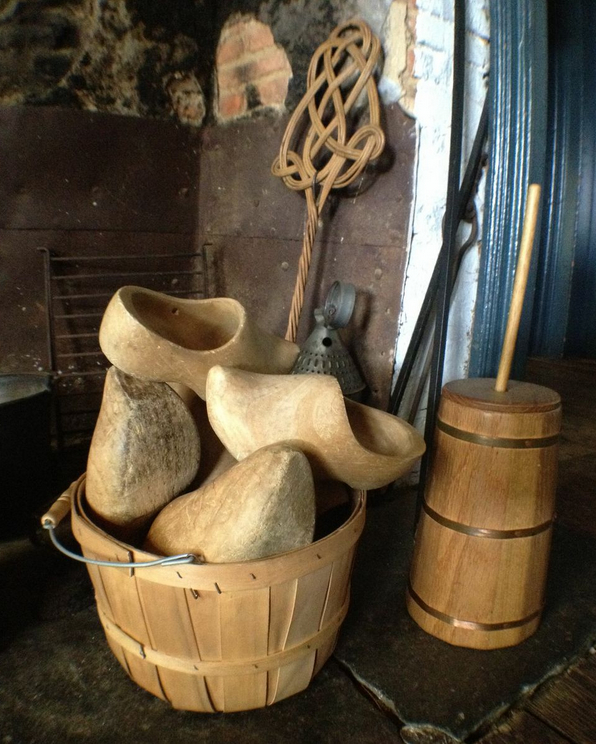
“Anyone who is willing to donate money, we’d kiss their feet,” said Chin, who conducts tours on Friday and Saturday afternoons, the only time the house is open for public viewing.
As for the historic Battle of Brooklyn, which occurred Aug. 27, 1776, possibly Hessian soldiers headed towards the fight along Canarsie Lane, which runs right past what is now the back of the house.