Upcoming Brooklyn museum exhibit spotlights `Zines’ created by artists
In zines’ heyday, all you needed was a copy machine
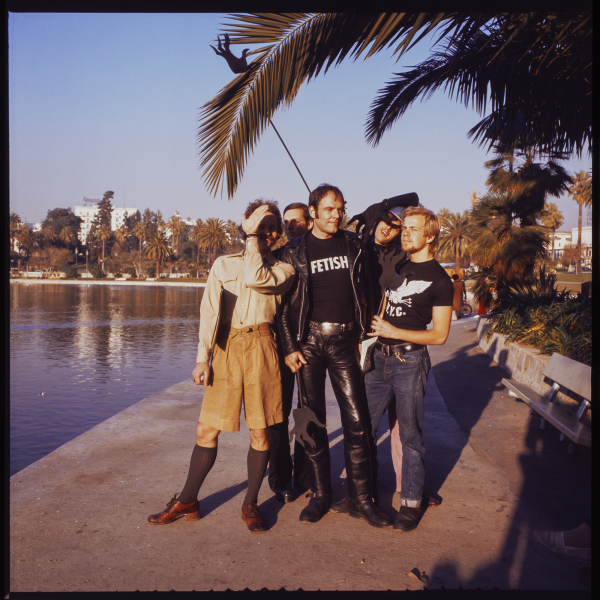
Photo by Bud Lee of artists A.A. Bronson, John Jack Baylin, John Dowd, Felix Partz and Zeke Smolinsky during Decca-Dance.
Photo: Bud Lee Picture Maker, courtesy of Brooklyn Museum
By Brooklyn Eagle Staff
October 20, 2023
Copy Link
Email
Facebook
X
LinkedIn
WhatsApp
Telegram
Pinterest
Print
Nowadays, people who have a burning desire to express their opinions or to present their artistic creations but who have no other outlet turn to the internet and social media.
But back in the 1970s, ’80s and ’90s, anyone who had access to a copy machine could put out “zines,” short for “fanzines.” There were innumerable types of zines — science fiction zines, feminist zines, political zines, rock music zines, zines featuring personal journals, art zines, horror zines, even zines designed for workers at a particular company. Those who put out the zines were usually fairly young and, to one degree or another, anti-establishment.
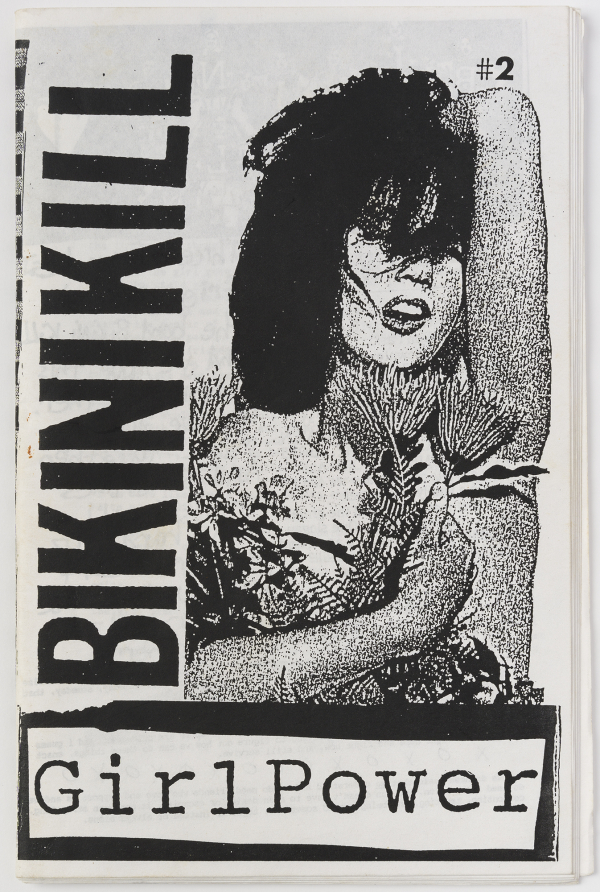
Kathleen Hanna with Billy Karren, Tobi Vail and Kathi Wilcox, “Bikini Kill,” volume 2, 1991. Photo: David Vu, courtesy of Brooklyn Museum
Most zines had circulations of less than 1,000. With the rise of the internet, many zines were transformed into internet zines, also known as e-zines. Still, some paper zines are still around to this day.
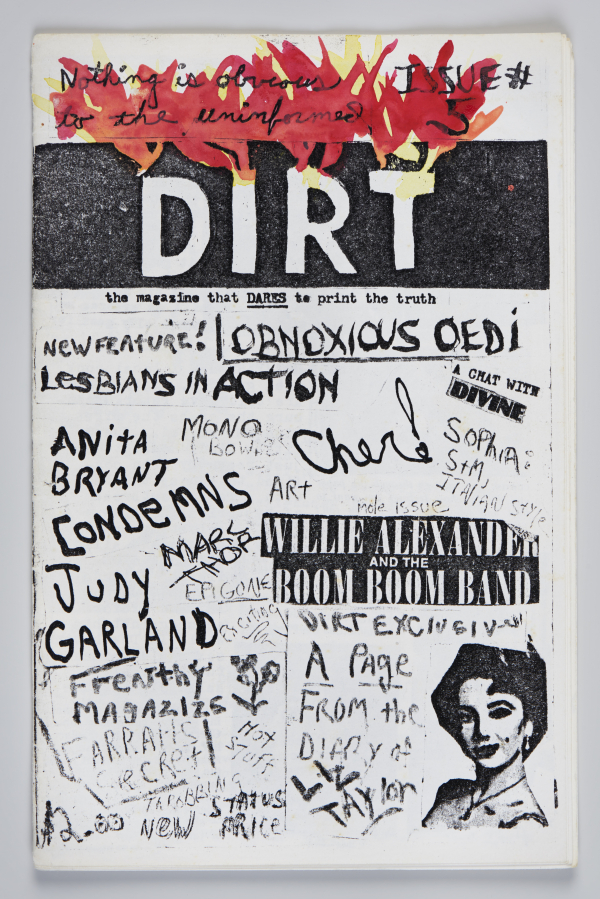
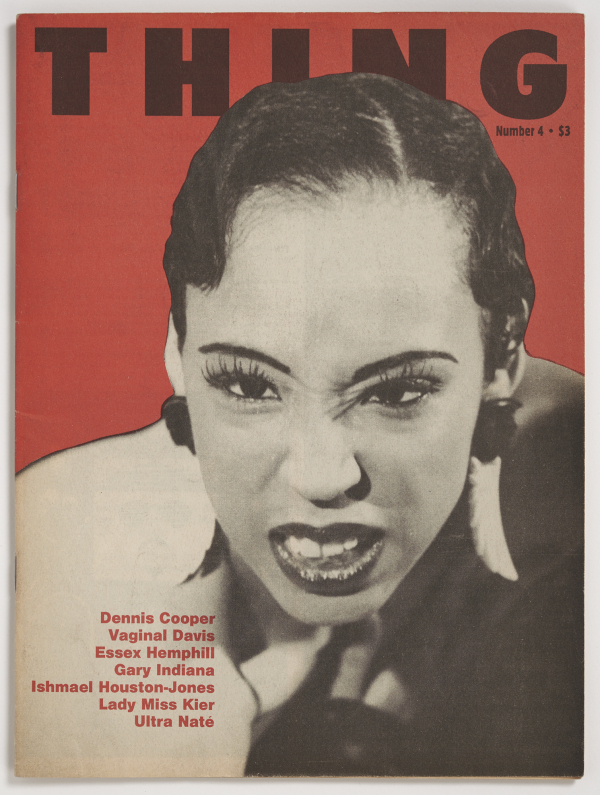
Now, starting on Nov.17, 2023, the Brooklyn Museum is presenting “Copy Machine Manifestos: Artists Who Make Zines,” the first exhibit dedicated to a particular type of zine — zines created by artists. The artists’ zines spotlighted here span five decades.
According to the museum, “Artists have harnessed the medium’s essential role in communication and community building and used it to transform material and conceptual approaches to art making across all media. This canon-expanding exhibition documents zines’ relationship to various subcultures and avant-garde practices, from punk and street culture to conceptual, queer and feminist art.”
The new exhibit also examines zines’ intersections with other mediums, such as collage, craft, film, drawing, painting, performance, photography, sculpture and video. All in all, it features nearly 1,000 zines and artworks by nearly 100 artists representing communities all across North America.
The exhibition is accompanied by the first comprehensive publication to explore artists’ zines, co-published with Phaidon Press. The book, also called “Copy Machine Manifestos: Artists Who Make Zines,” includes 800 images of zines and works in other media alongside texts by the curators and specially commissioned essays by Gwen Allen, Julia Bryan-Wilson, Tavia Nyong’o, Alexis Salas and Mimi Thi Nguyen, as well as a section featuring biographies of all the artists represented in the project.
“Copy Machine Manifestos: Artists Who Make Zines” is organized by Branden W. Joseph; Frank Gallipoli, professor of modern and contemporary art, Columbia University, and Drew Sawyer, curator of photography at the Whitney Museum of American Art (formerly with the Brooklyn Museum); with Marcelo Gabriel Yáñez, research assistant, and Imani Williford, curatorial assistant for photography, fashion and material culture at the museum.
Leadership support for this exhibition is provided by the Andy Warhol Foundation for the Visual Arts, as well as Shelley Fox Aarons and Philip E. Aarons and the Phillip Leonian and Edith Rosenbaum Leonian Charitable Trust.
Major support for this exhibition is provided by the Brooklyn Museum’s Contemporary Art Committee and the Rockefeller Brothers Fund.
The exhibition contains graphic content and language, and viewer discretion is advised.
Anna Banana, “Vile,” summer 1976. Photo: David Vu courtesy of Brooklyn MuseumThe late Mark Morrisroe and Lynelle White’s “Dirt,” published in 1975-76. Photo: Courtesy of Estate of Mark MorrisroeThe late Robert Ford, “Thing” number 4, spring 1991. Photo: Brooklyn Museum by Evan McKnight
SUNSET PARK — “As a resident of Marine Park, one of the great surprises I found biking around Industry City and visiting Japan Village was to discover Bush Terminal Park. I continue to be amazed at the serene hideaways that the city offers in some of the busiest places — and, still, with an iconic view.”
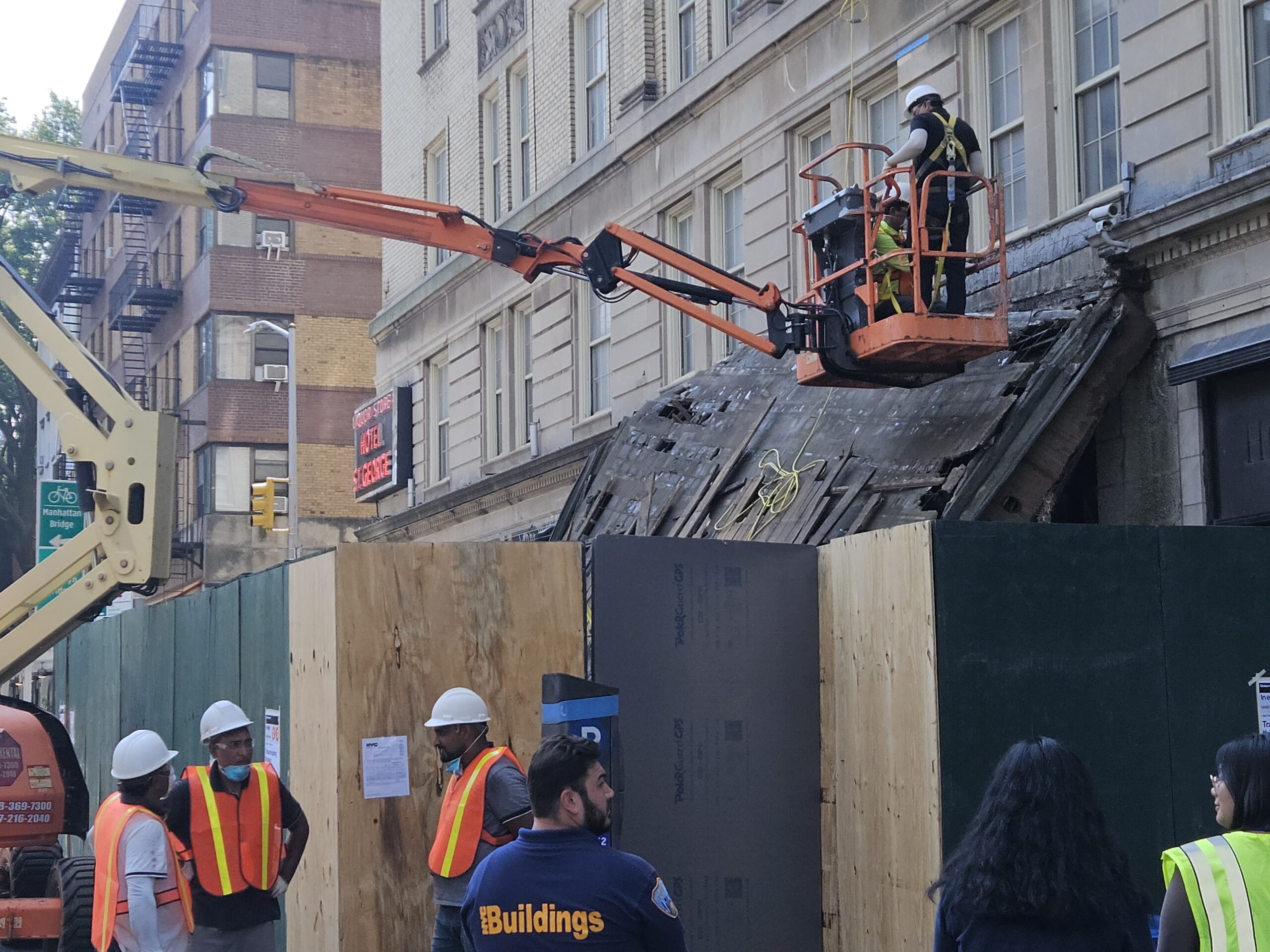
BROOKLYN HEIGHTS — ‘A miracle that no one was killed …’ That’s what neighbors are saying about the collapse of the Hotel St. George marquee. Shown in this photograph are workmen beginning the removal and repair of the historic, old neon sign at the corner, referencing a relic of Brooklyn Heights’ past: the St. George Hotel.
ATLANTIC AVENUE — Exhausted shopper with cluster of bags and goods from mall at Boerum Place stops to look at huge construction site across the street. “Is that REALLY going to be a jail??” Her male companion is reassuring, “Nothing like Rikers … this is 21st Century.”
BROOKLYN HEIGHTS — Overheard in line at one of most popular pastry outlets on Montague Street: “Hope I can get them into a camp …” A mother with two pre-schoolers in tow was showing a friend the Dodge Y flyer for Healthy Kids Day on Saturday, April 18.