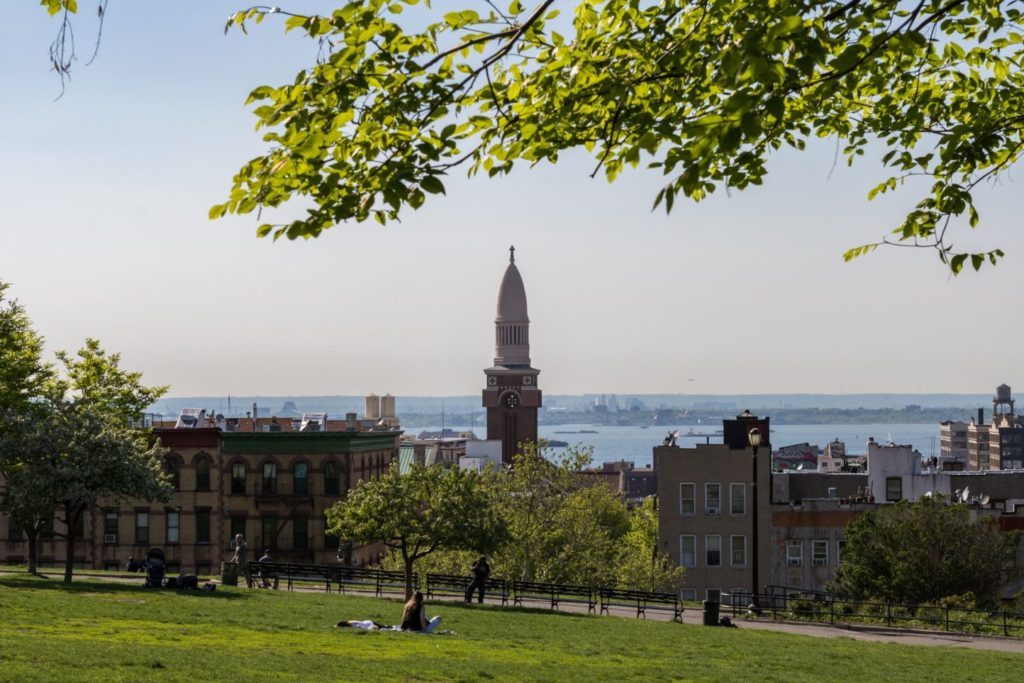
How Sunset Park got its name
Sunset Park offers stunning harbor views and a rich history, evolving from Dutch farmland to a diverse, multicultural Brooklyn neighborhood.


Sunset Park offers stunning harbor views and a rich history, evolving from Dutch farmland to a diverse, multicultural Brooklyn neighborhood.

Sunset Park evolved from Dutch farmland to an immigrant hub, industrial center and vibrant multicultural neighborhood with renewed commercial life.
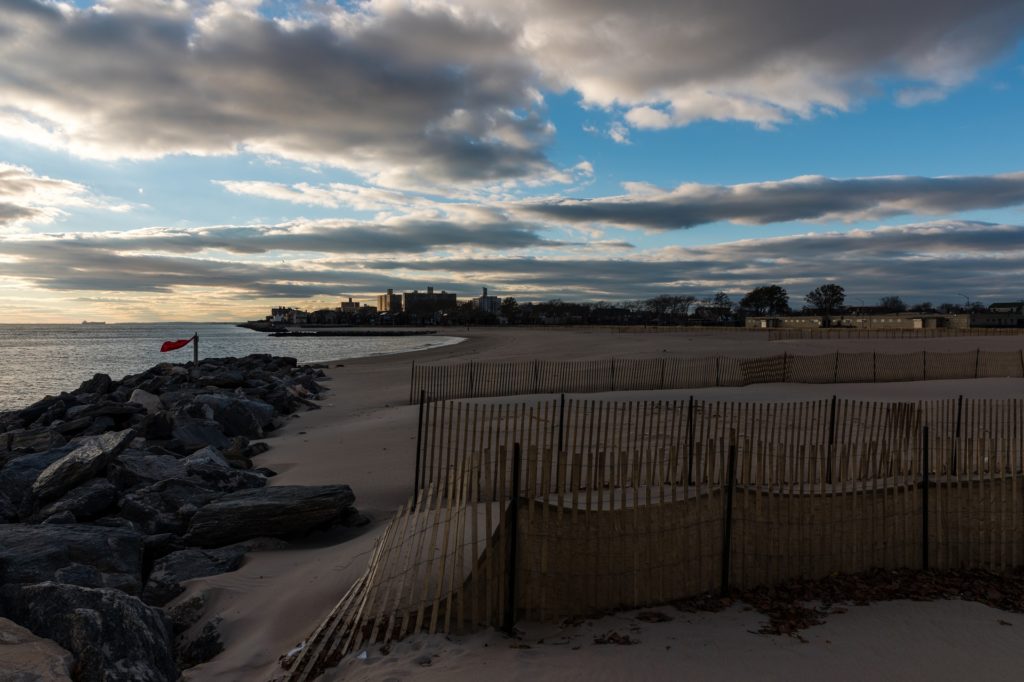
Manhattan Beach began as farmland and became a Gilded Age seaside resort, later evolving into a quiet Brooklyn neighborhood.
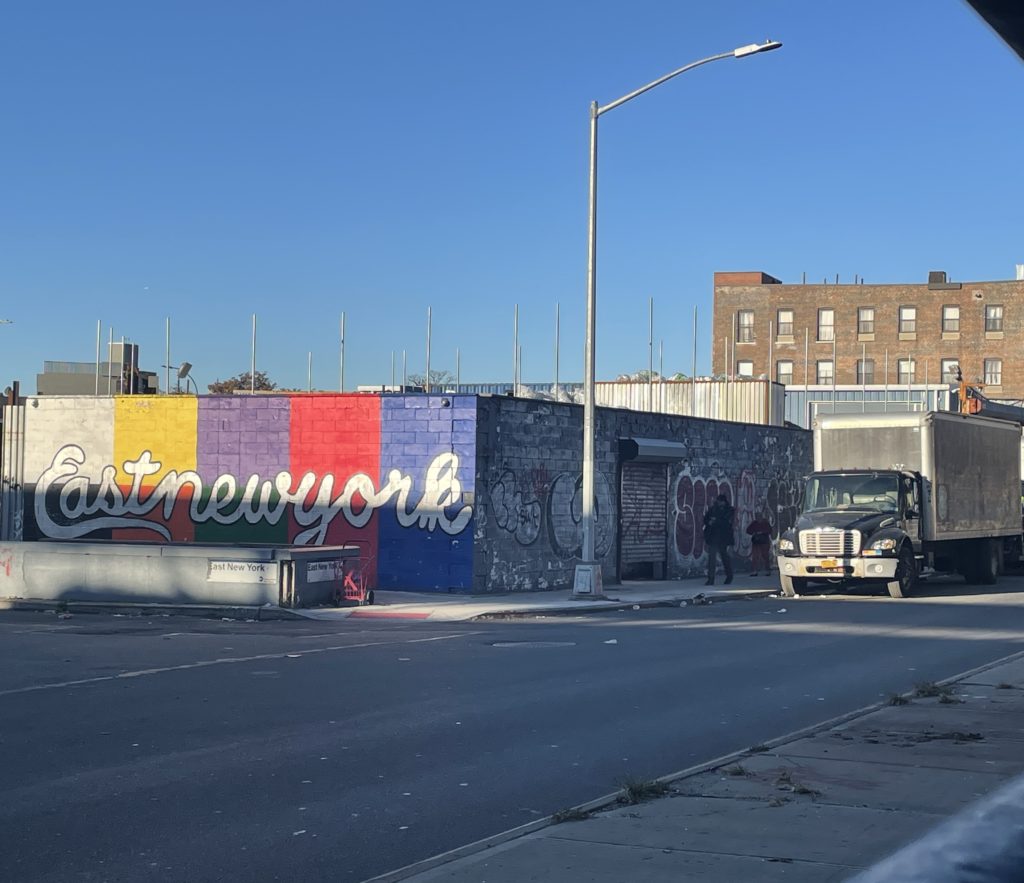
East New York, settled in 1670 as New Lots, grew from farmland to a Brooklyn neighborhood shaped by history and 20th-century development.
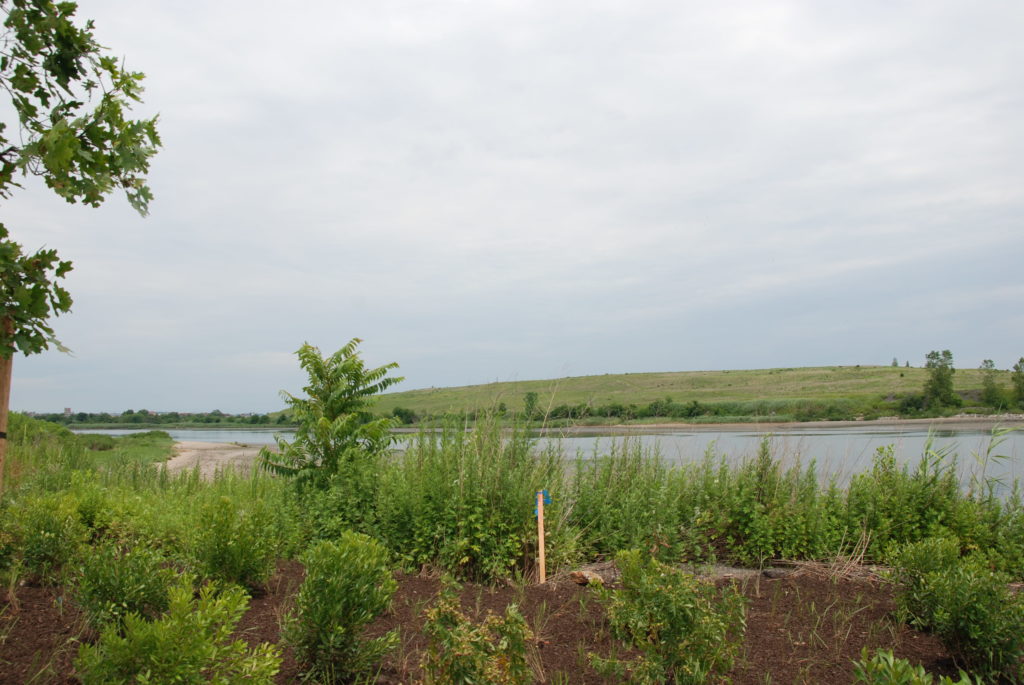
East New York, once called Ostwout or New Lots, grew from 17th-century farms to a diverse immigrant hub, later facing decline before community-led revitalization.
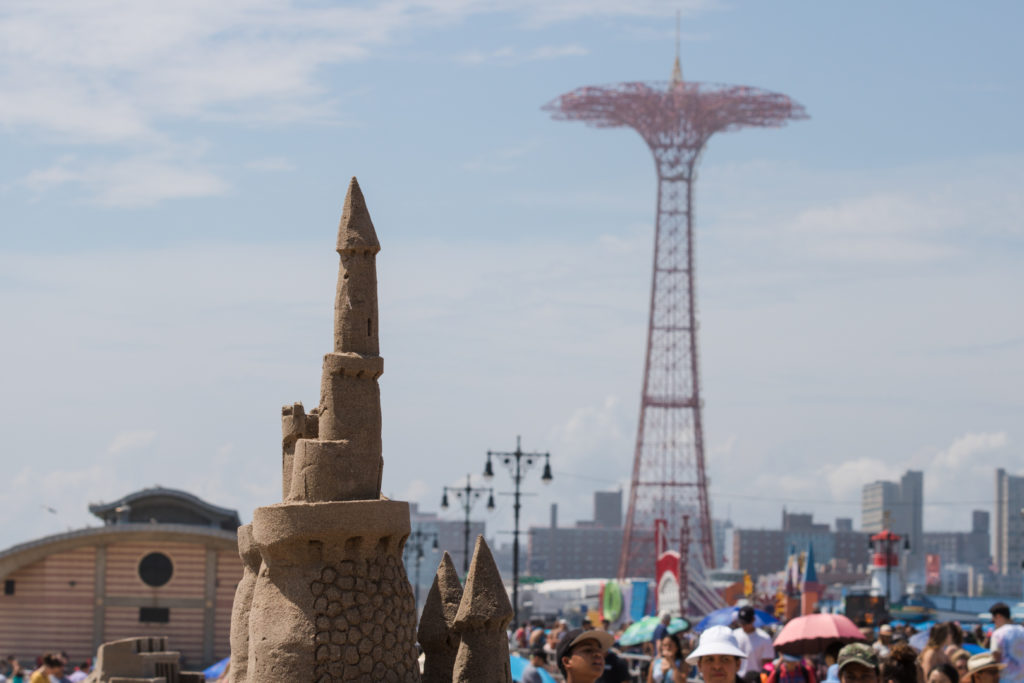
Along with iconic New York, Coney Island, a peninsula on the Atlantic Ocean coast of Brooklyn, is a name known around the world.
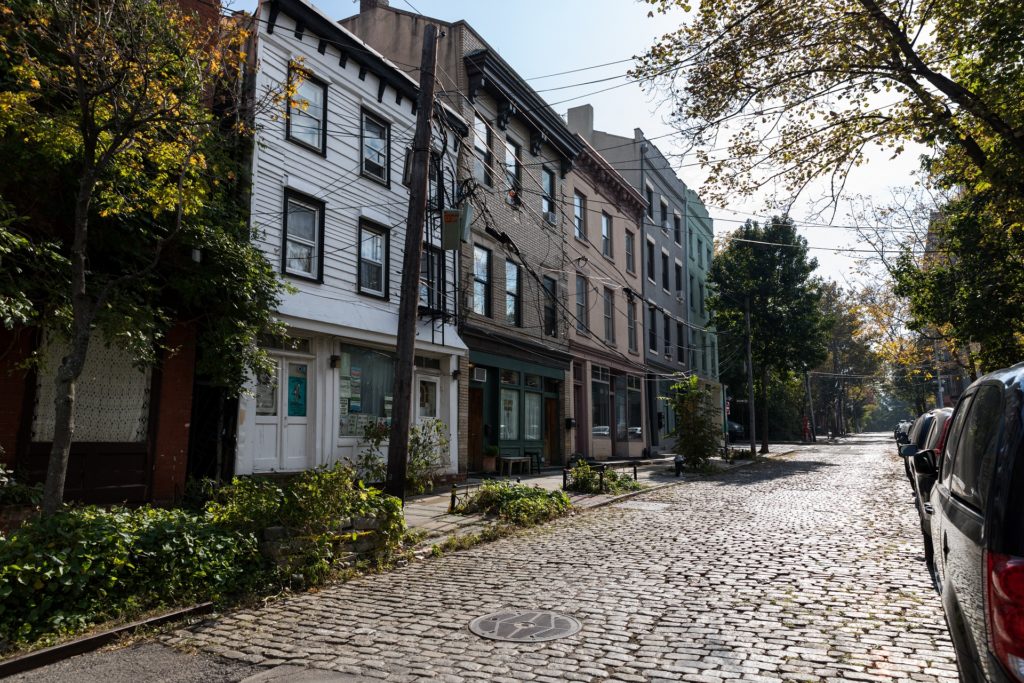
Sheepshead Bay was named for a fish once common in the area. It now includes Homecrest, Madison, and Plumb Beach, a protected parkland.
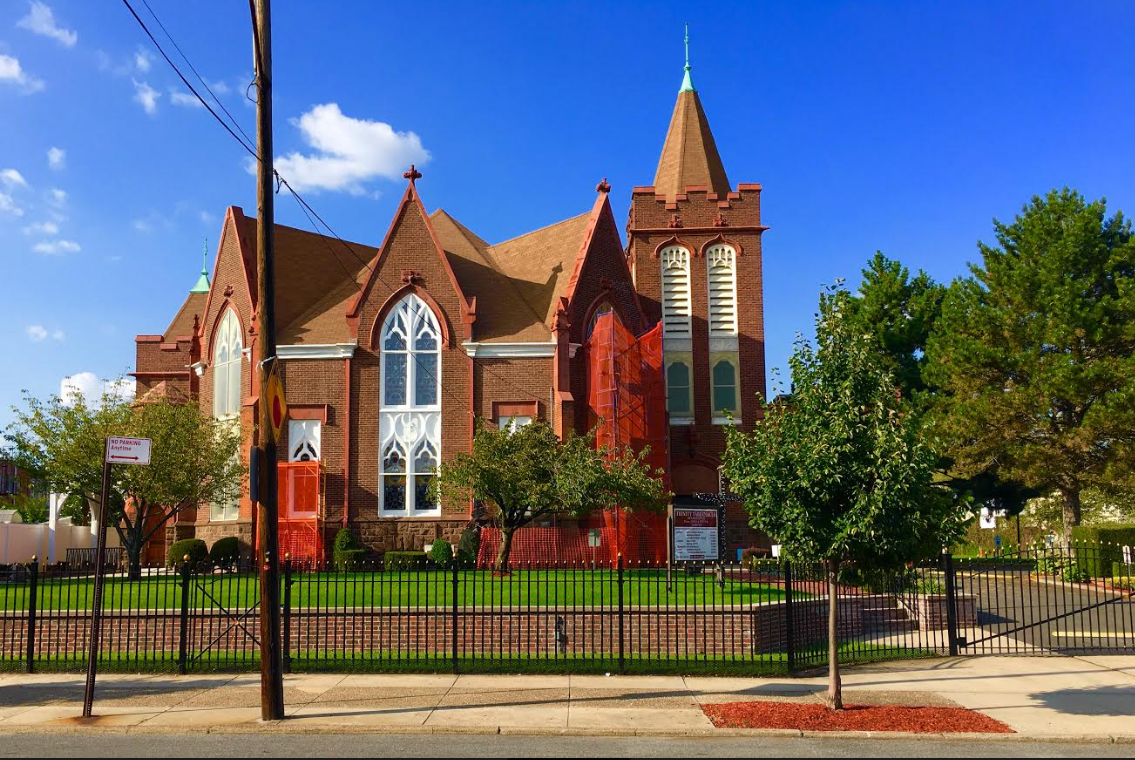
Founded by Lady Moody in 1645, Gravesend became a haven for dissenters and later grew into a vibrant Italian American community.
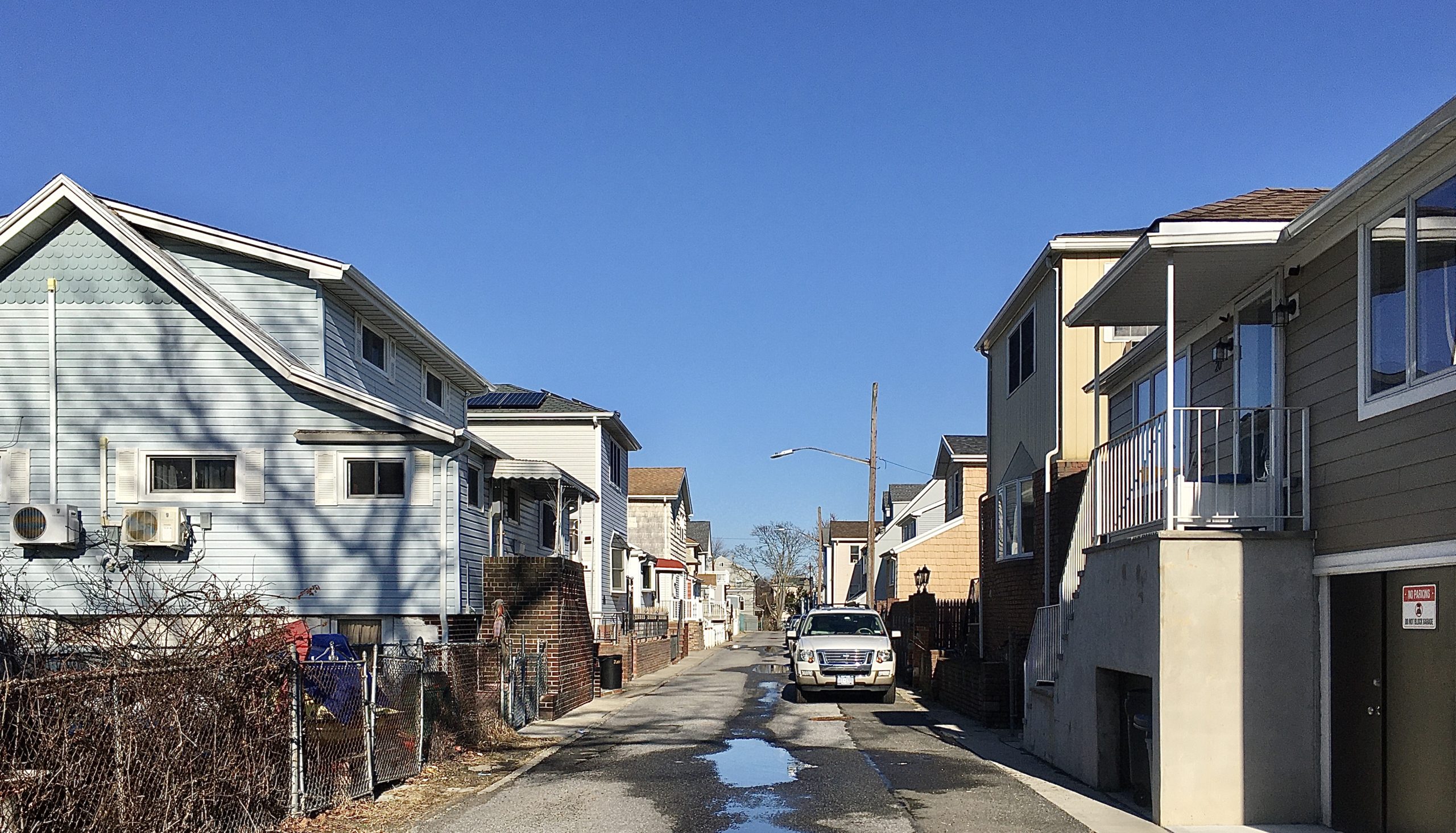
Gerritsen Beach grew from 17th-century Dutch roots to a thriving neighborhood with over 1,500 homes by the 1930s.
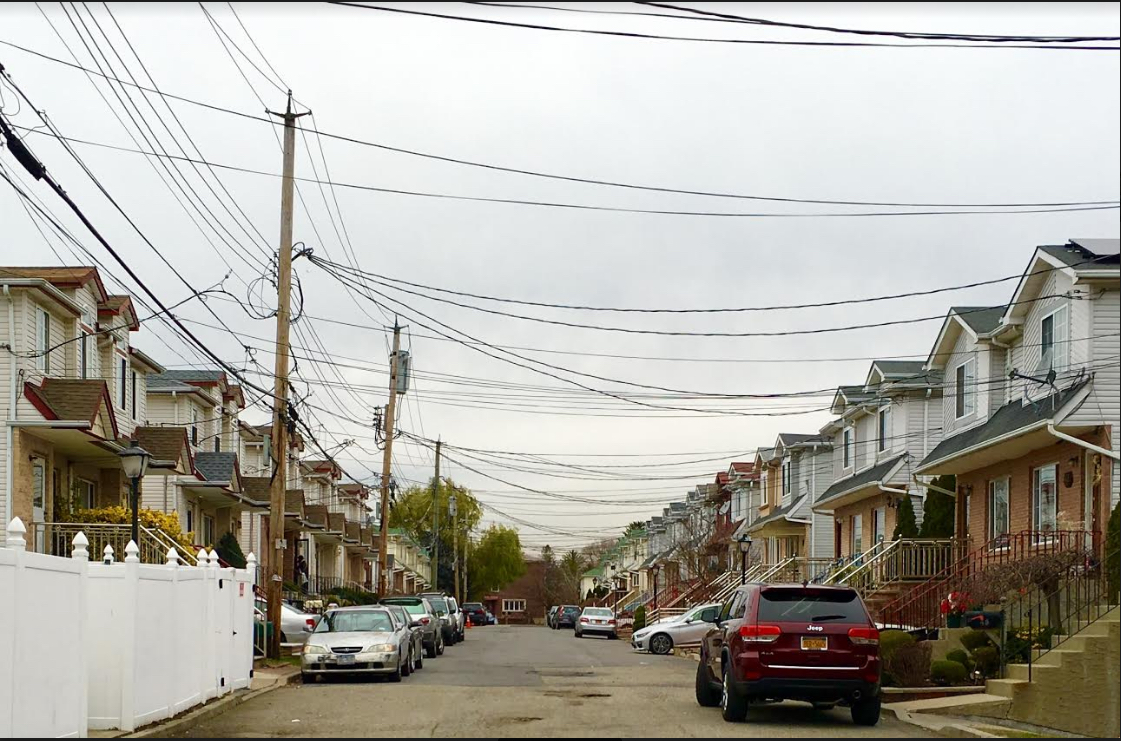
Georgetown in Bergen Beach saw slowed growth after a housing plan clash, but today it’s a mostly Italian and Jewish residential area.
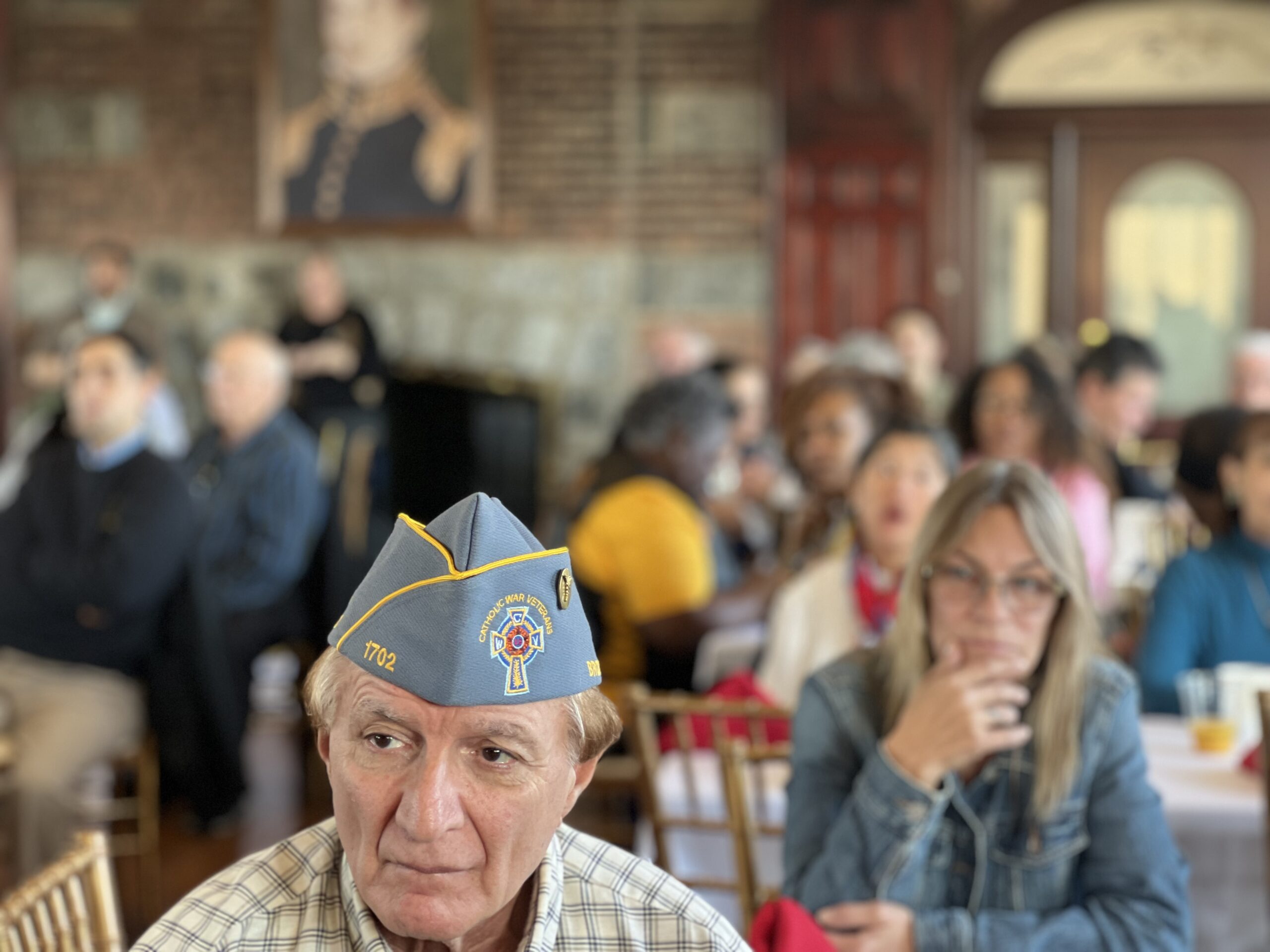
Fort Hamilton, built 1825–31, is the nation’s second oldest active fort, vital in the Civil War, draft riots and both World Wars.
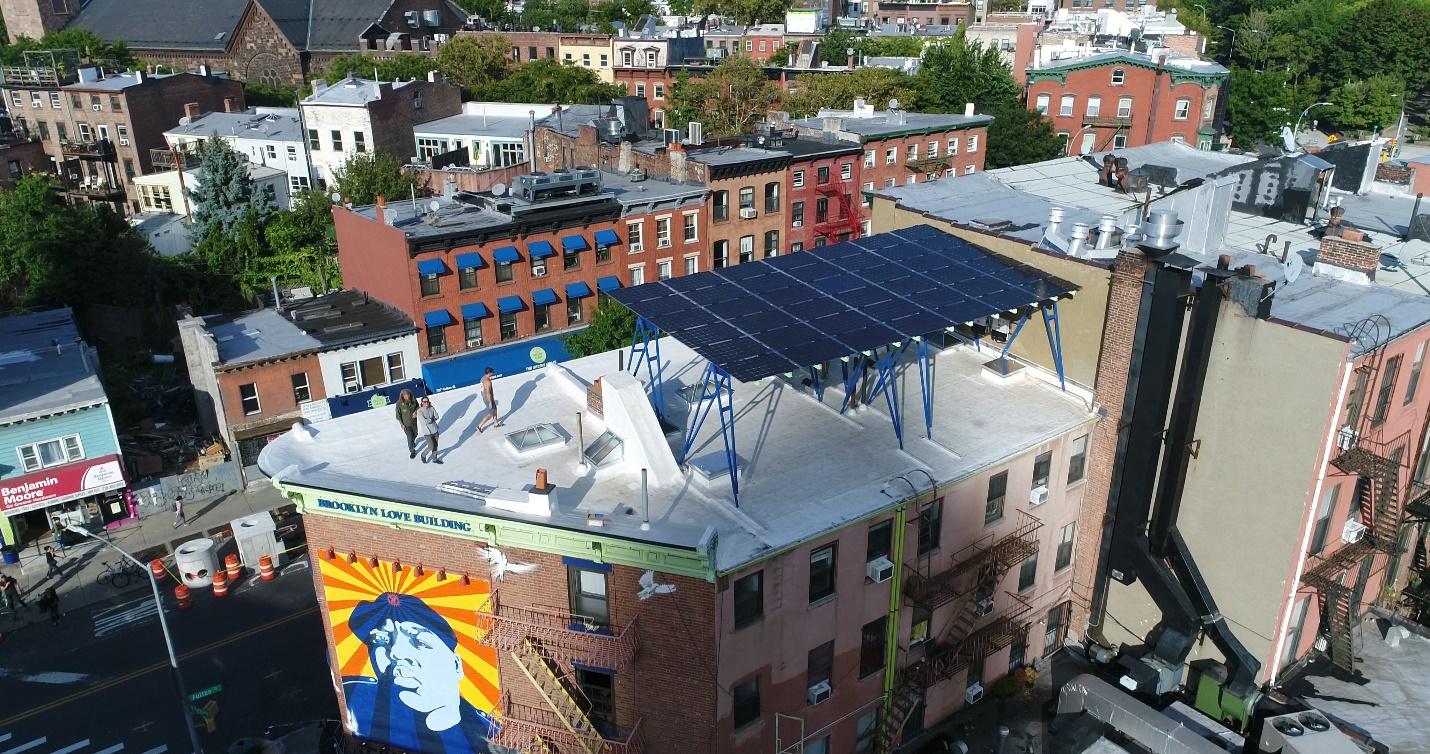
Fort Greene’s legacy includes Black shipbuilders, wartime housing and Revolutionary history, with a community that rebuilt in the 1970s.
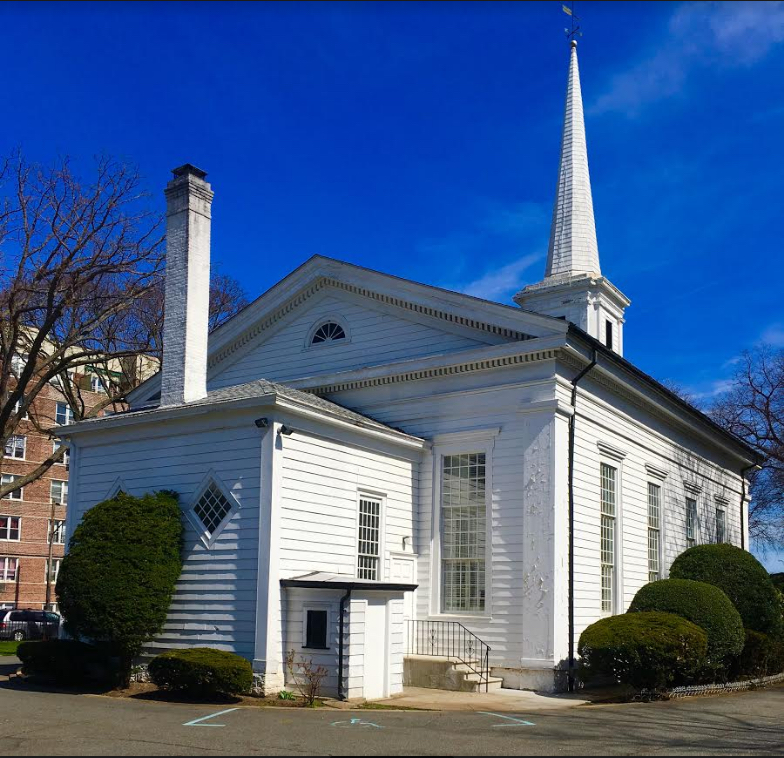
Flatlands began as a Dutch land grant in 1636, grew into a farming town and was Brooklyn’s last area annexed before modern development.

Flatlands, once marshland and farmland, grew into a residential hub after streetcars and cars connected it to the rest of Brooklyn.
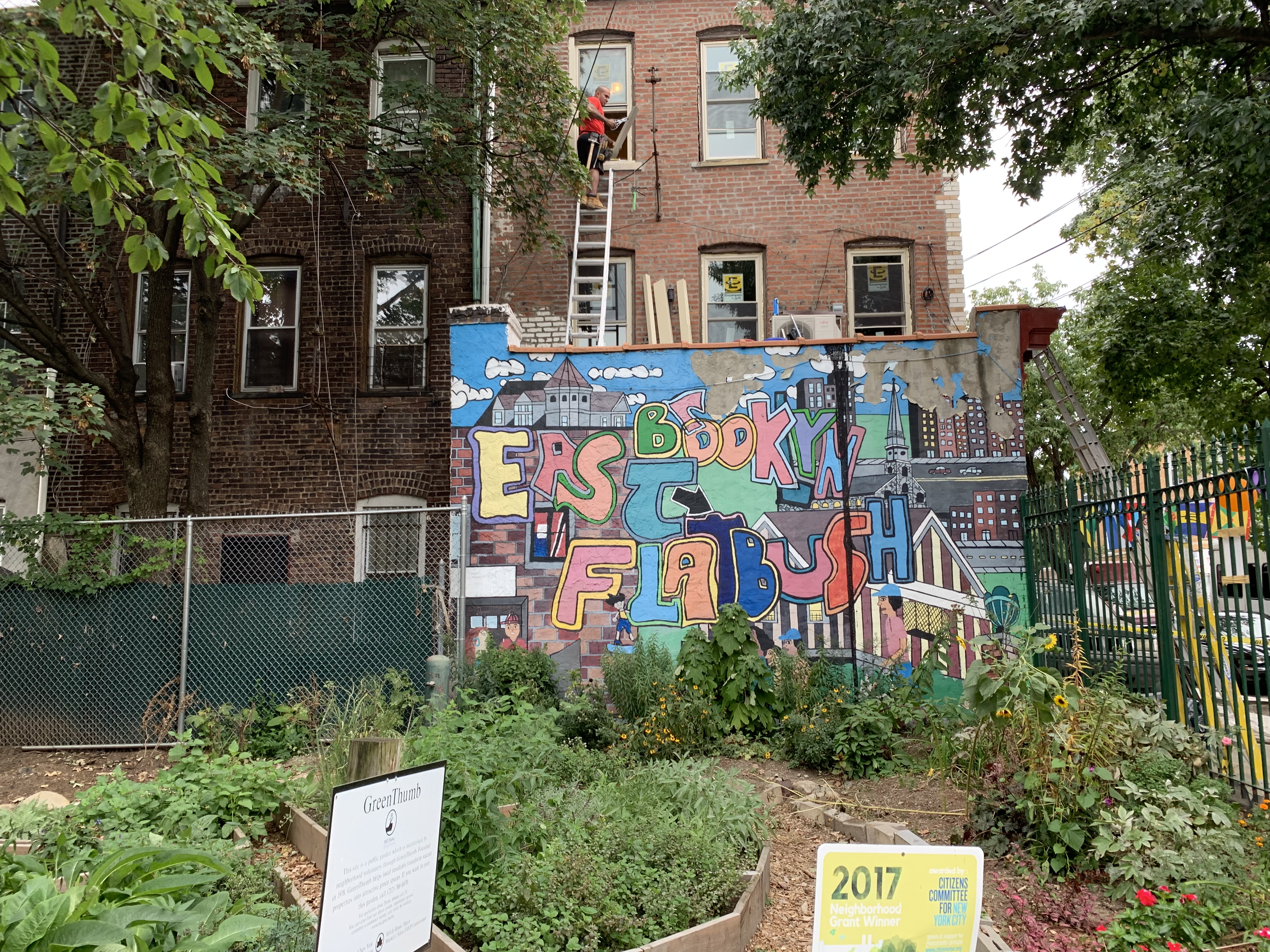
Flatbush, once called Midwout, grew from Dutch farmland into Brooklyn’s Victorian suburbs and today’s diverse neighborhoods.
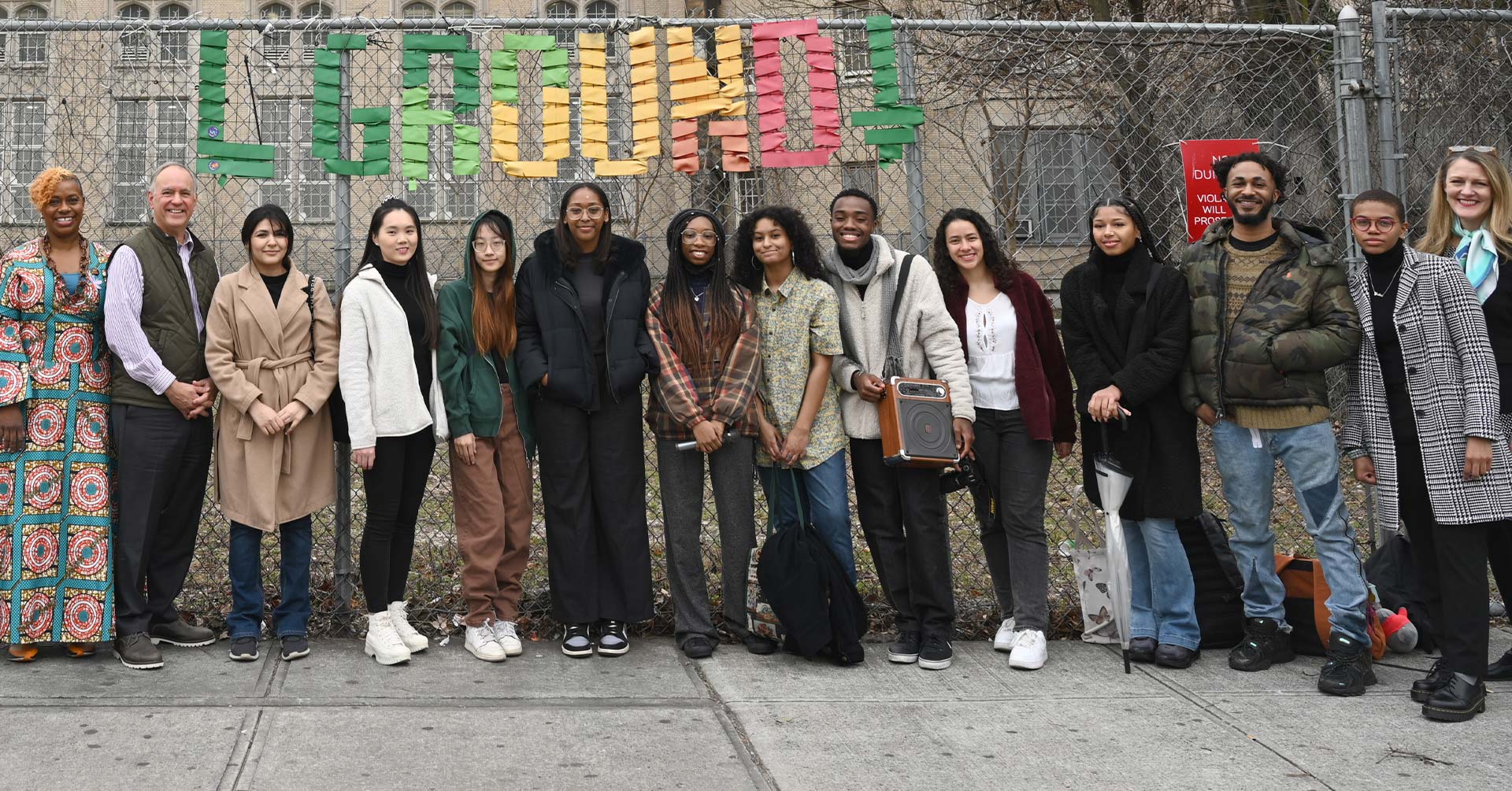
Flatbush was acquired by the Dutch twice and later grew into a diverse Brooklyn hub shaped by immigration and urban development.
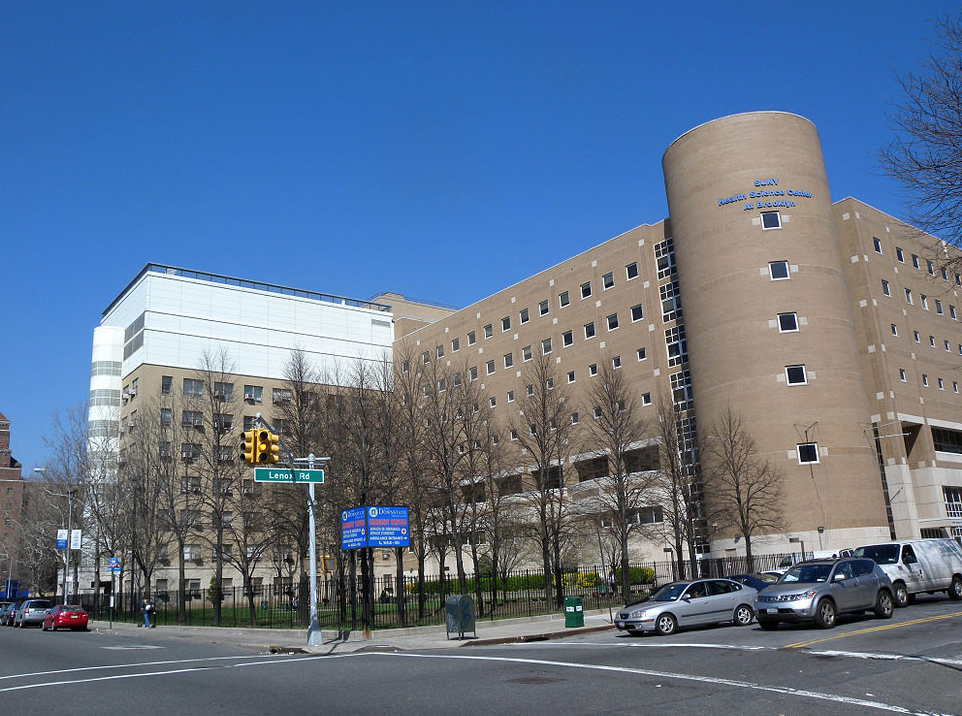
East Flatbush, once farmland, grew in the 20th century from smaller neighborhoods like Rugby and Wingate, shaped by transit and migration.

Dyker Heights, once Dutch farmland, grew into a hilltop suburb known today for its grand homes, deep roots and famous Christmas displays.
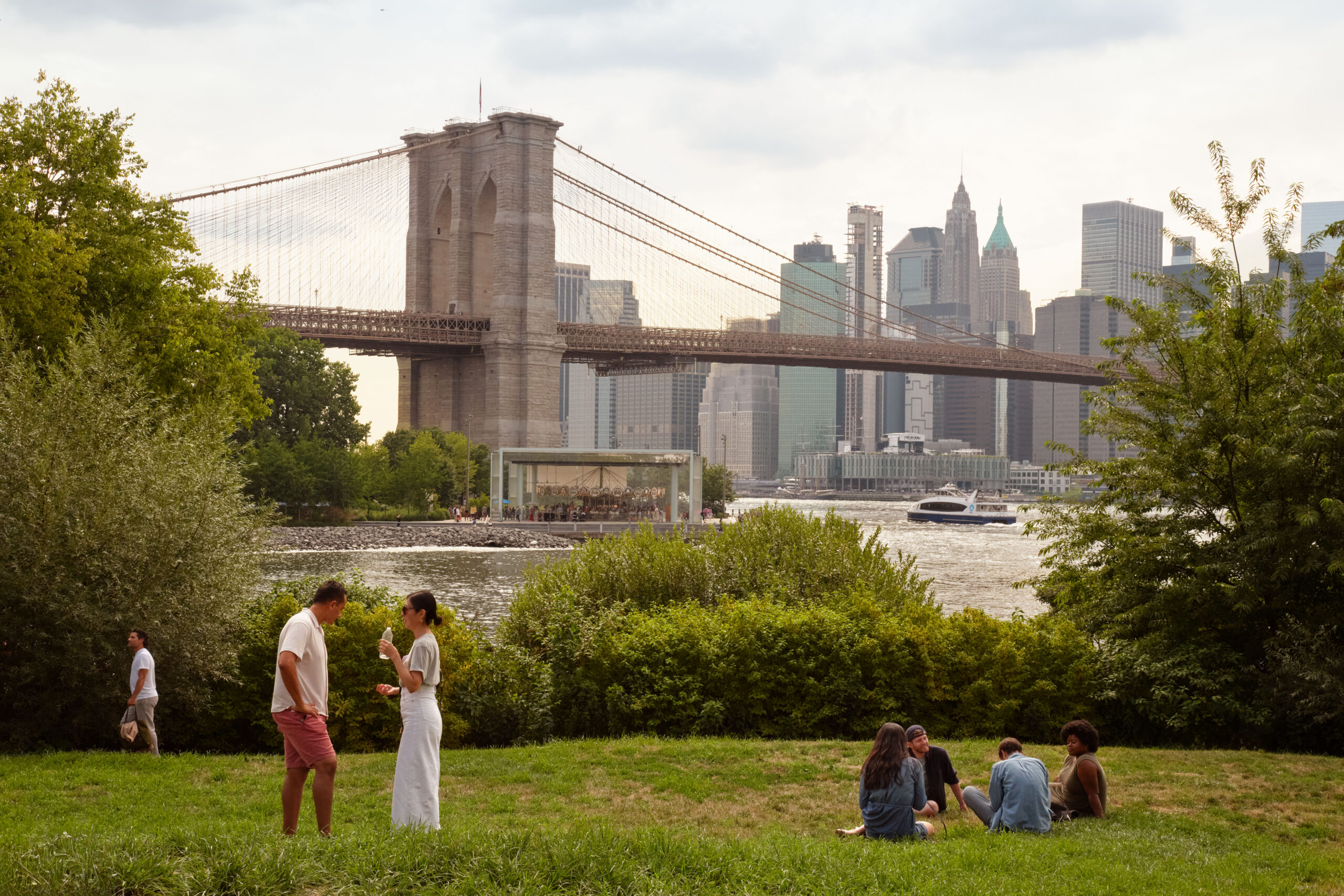
DUMBO, once an industrial zone turned artist haven, got its quirky name in the 1970s as residents sought to keep developers away.
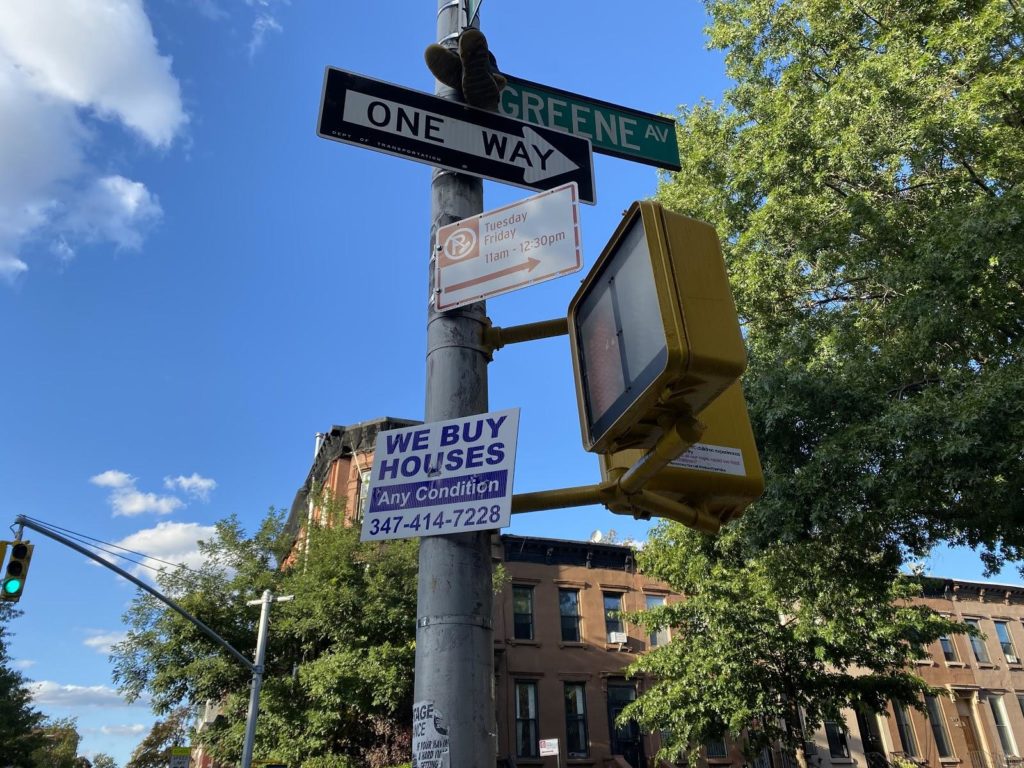
East Flatbush, once farmland, became a diverse community shaped by migration, unity efforts and evolving neighborhood identities.

Dyker Heights, founded in the 1600s, grew into a family-focused neighborhood of low-rise homes and mansions across generations.

DUMBO, once an industrial hub, became a haven for artists in the 1970s and now thrives with lofts, cobblestones, and ongoing growth.

Downtown Brooklyn, once Dutch farmland, grew with ferries and the Brooklyn Bridge, and was reshaped by rezoning and high-rise growth.
Downtown Brooklyn grew from Dutch roots into a civic and commercial hub, shaped by transit, urban renewal, and high-rise development.
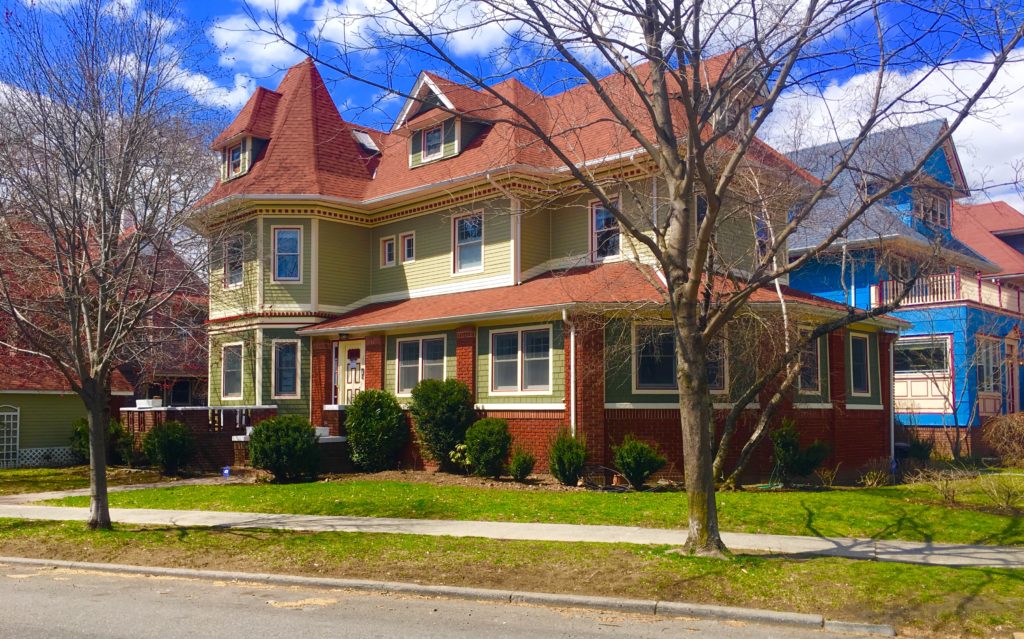
Ditmas Park, a Flatbush enclave founded in 1902, was fully planned before homes were built and is now a historic district.
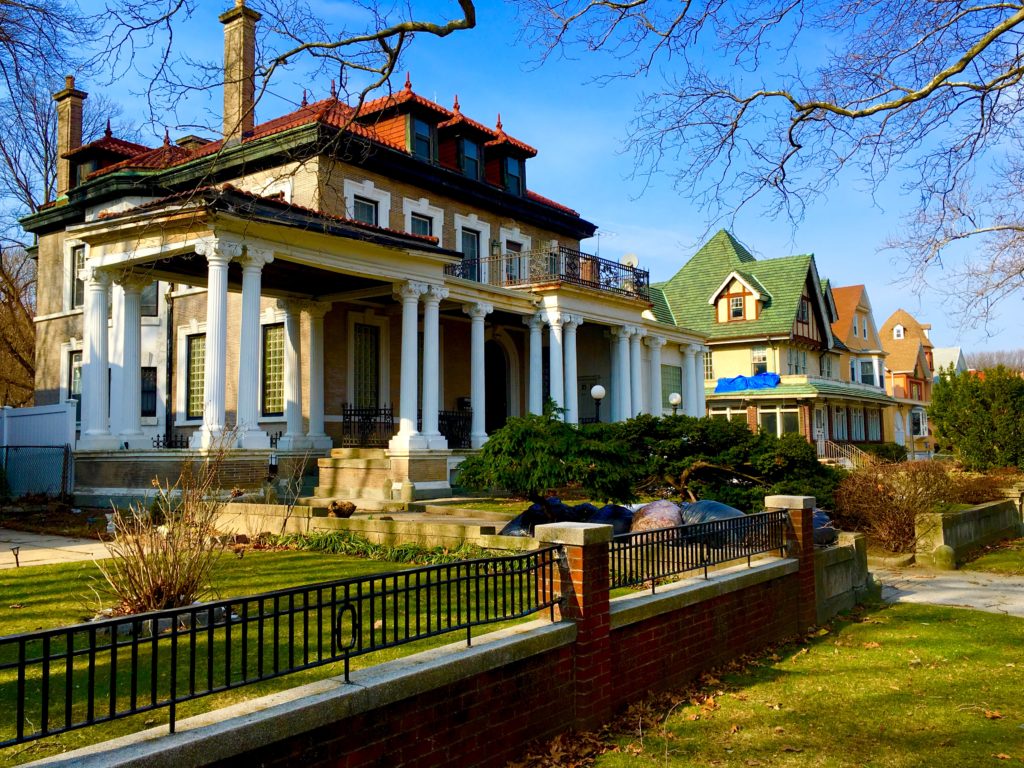
Cypress Hills, once farmland worked by slaves, grew into a suburban neighborhood after rail and road expansion in the 1800s and 1900s.
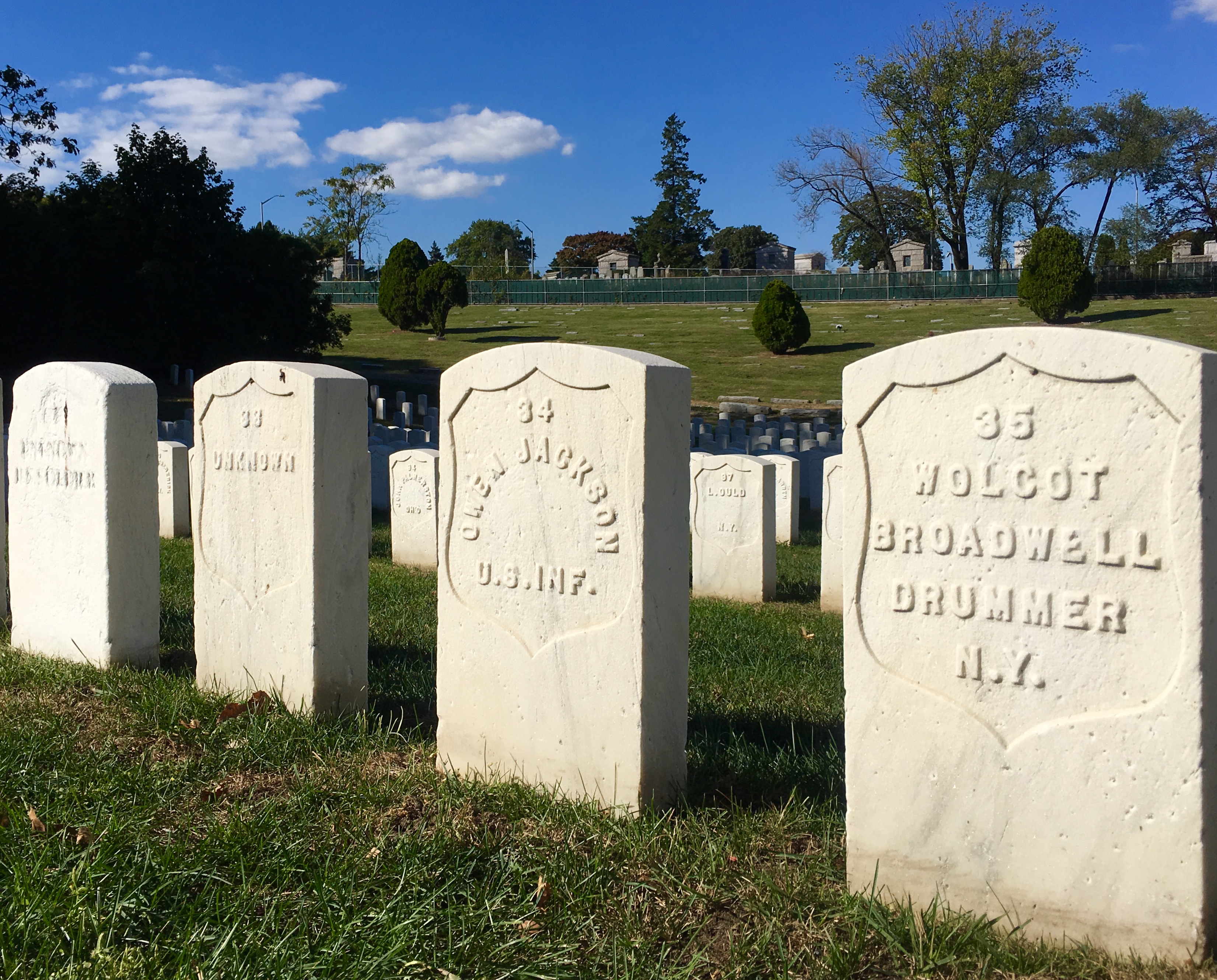
Cypress Hills, part of Brooklyn’s New Lots, was settled by European colonists using slave labor and named for local trees or the cemetery.

Crown Heights, settled by the Dutch in the 1660s, became home to freed slaves. Its name has debated origins.

Crown Heights evolved from Dutch farmland to a diverse community shaped by Caribbean immigrants and grassroots unity after 1991 unrest.
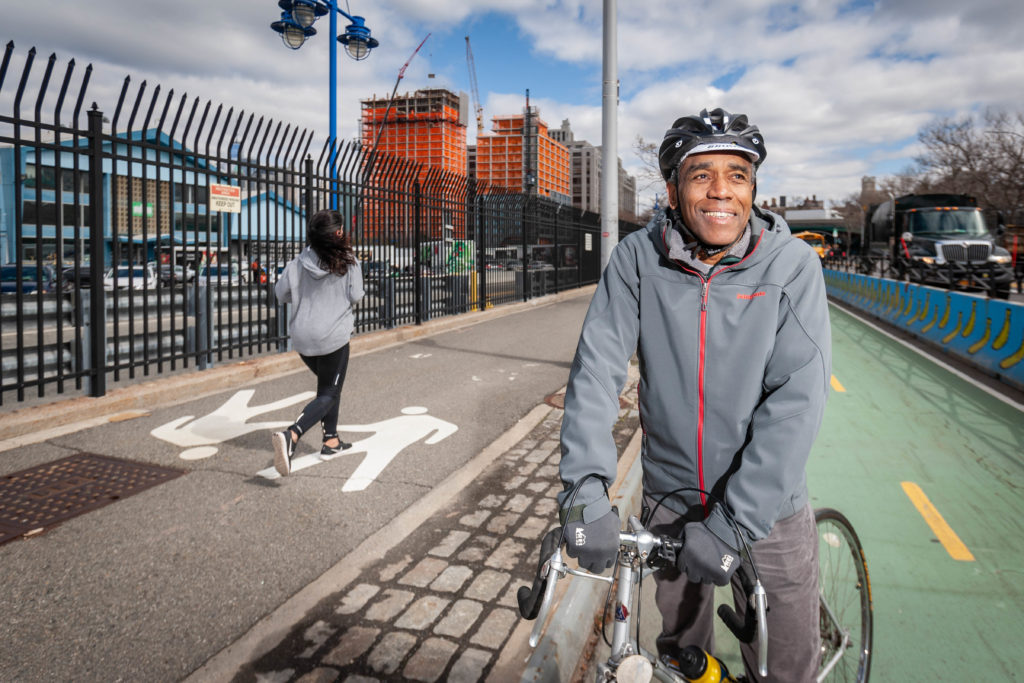
Once isolated by the BQE, the Columbia Waterfront District is a historic Brooklyn area now experiencing renewal and revitalization.
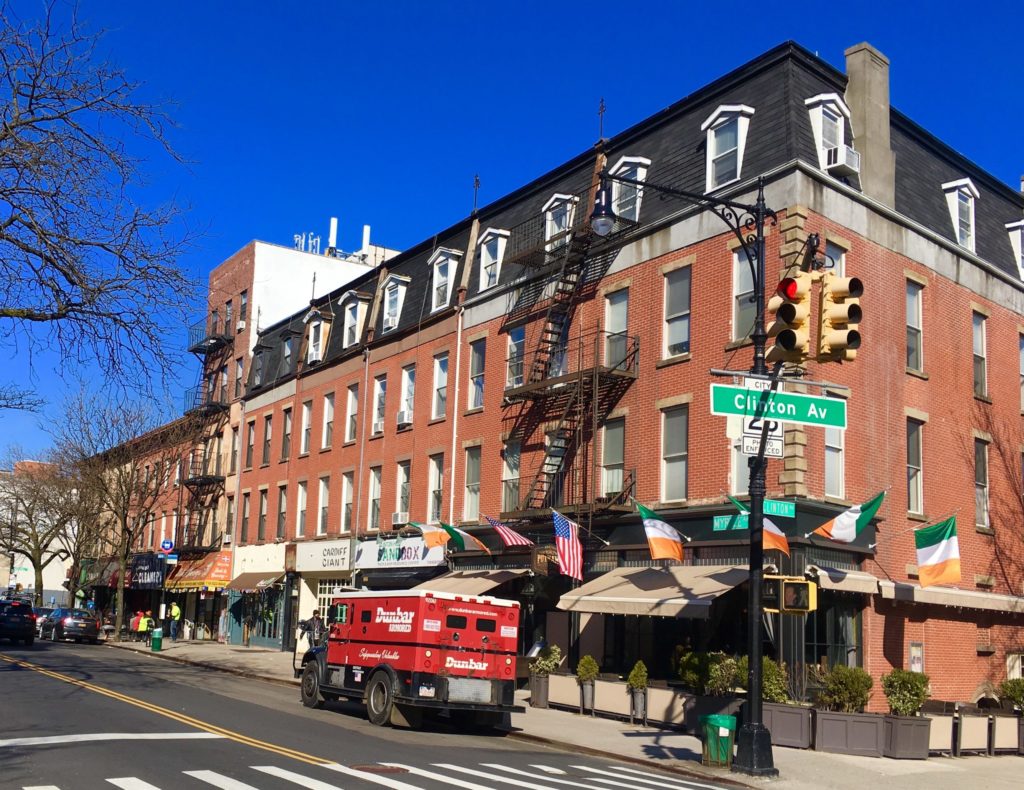
DeWitt Clinton, NYC mayor and Erie Canal champion, lent his name to Clinton Hill, a historic neighborhood shaped by wealthy residents.
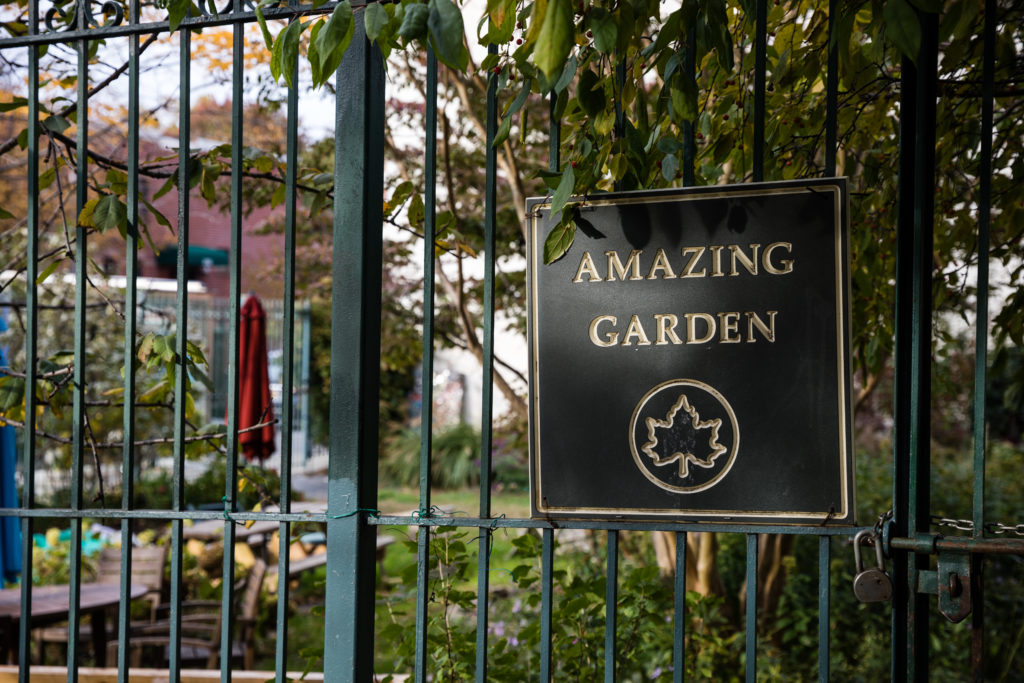
Clinton Hill, once a retreat for wealthy industrialists, evolved from mansions to apartments and was named a historic district in 1981.
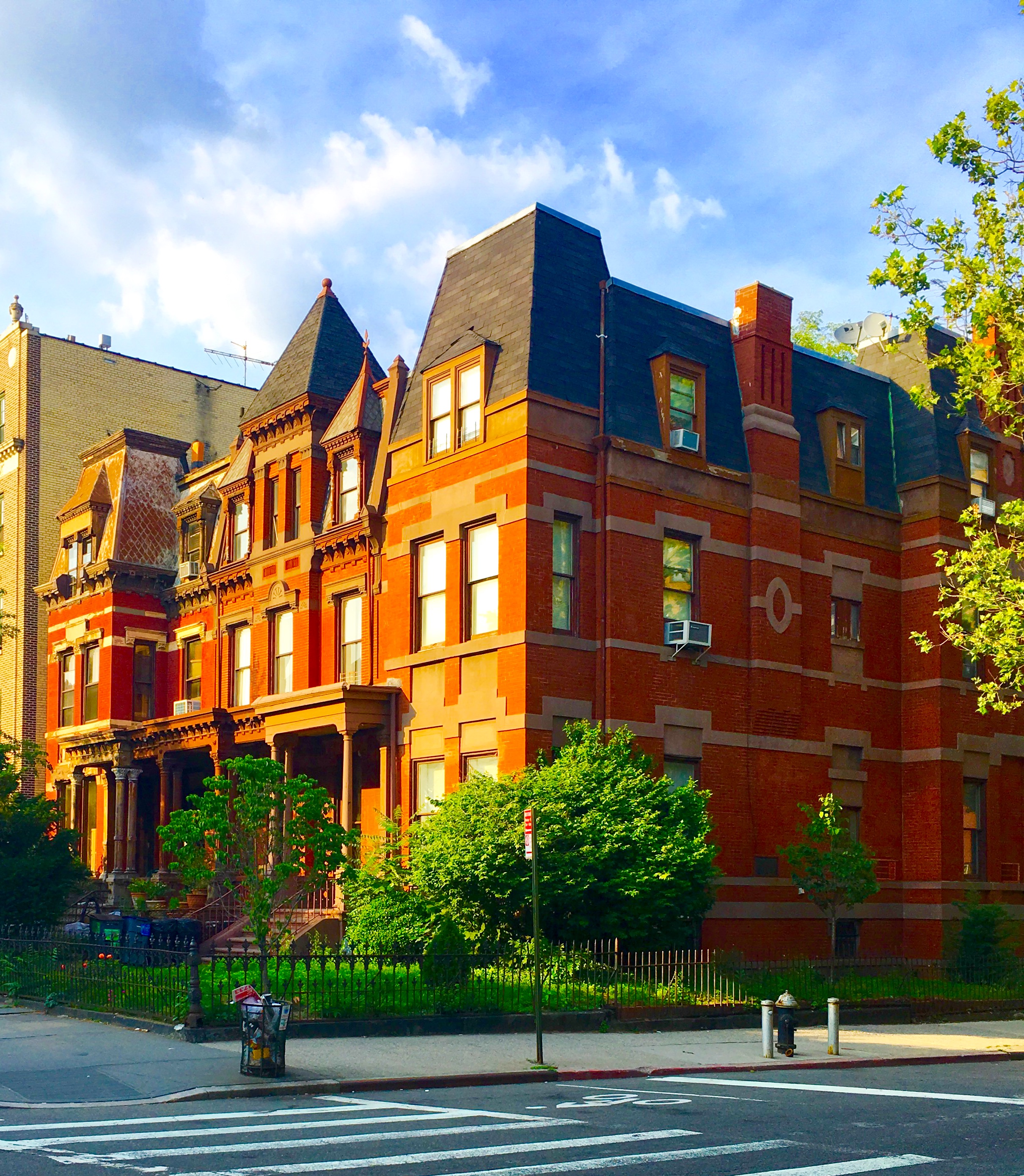
Clinton Hill, once a retreat for wealthy industrialists, evolved from mansions to apartments and was named a historic district in 1981.
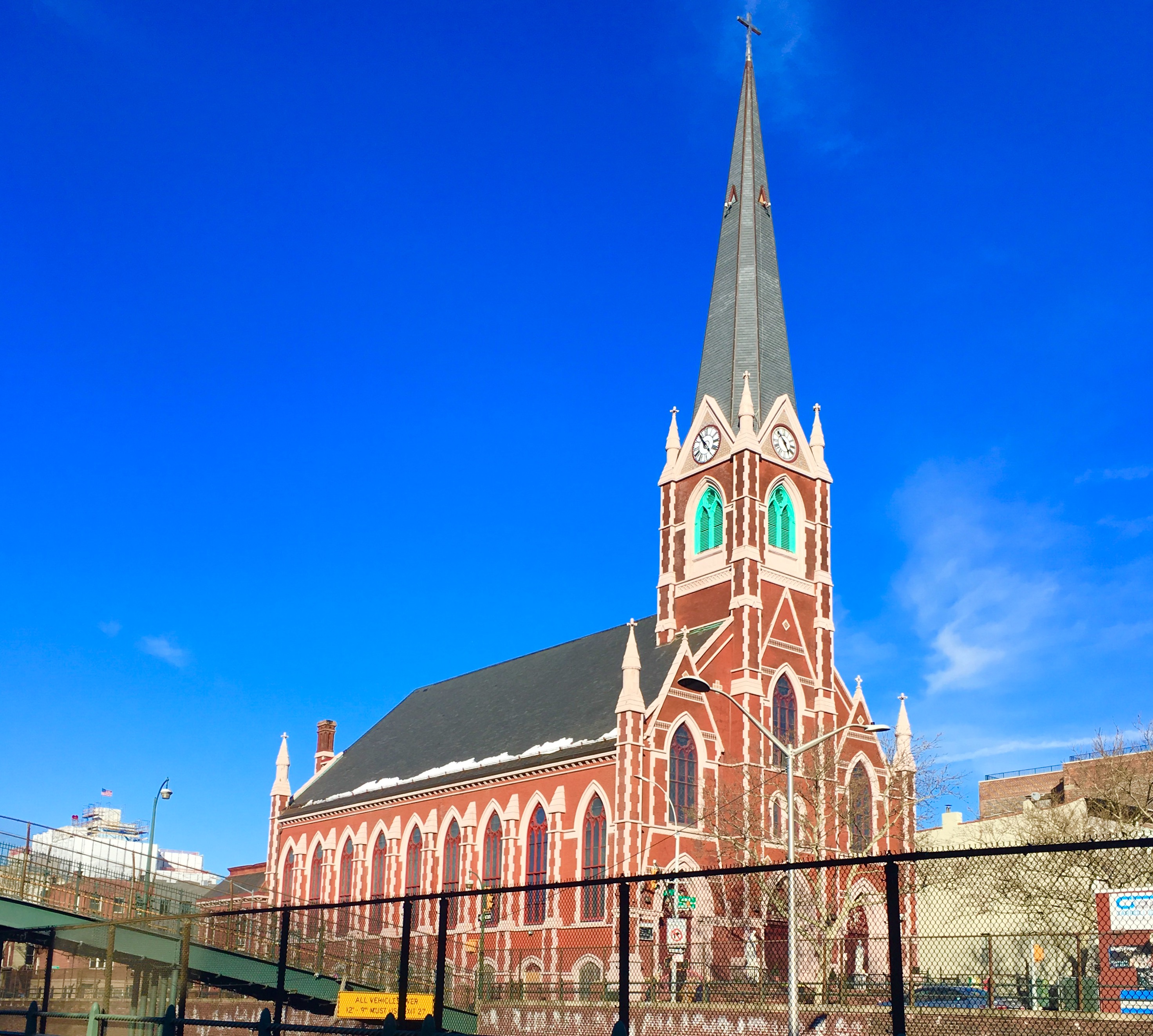
Carroll Gardens, settled first by Irish then Italians, was renamed to preserve community amid change after the 1957 BQE divided the area.

Carroll Gardens honors Charles Carroll, a Maryland signer of the Declaration, and Maryland soldiers lost in the Battle of Brooklyn.

Named for its Native founders, Canarsie grew from a fishing village to a beach resort, then into a suburban, diverse Brooklyn neighborhood.