Who was this Carroll who gave his name to this neighborhood that sits today between the Brooklyn-Queens Expressway and the Gowanus Canal?
Oddly, it was someone who never set foot in Brooklyn.
Charles Carroll, a statesman who was also known as Charles Carroll of Carrollton or Charles Carroll III to differentiate himself from similarly named relatives, was born in Annapolis, Maryland, in 1737. He was a Maryland planter, a Maryland delegate to the Continental Congress and the first U.S. senator from there. A signer of the Declaration of Independence, he was a leading opponent of British rule in the Colonies.
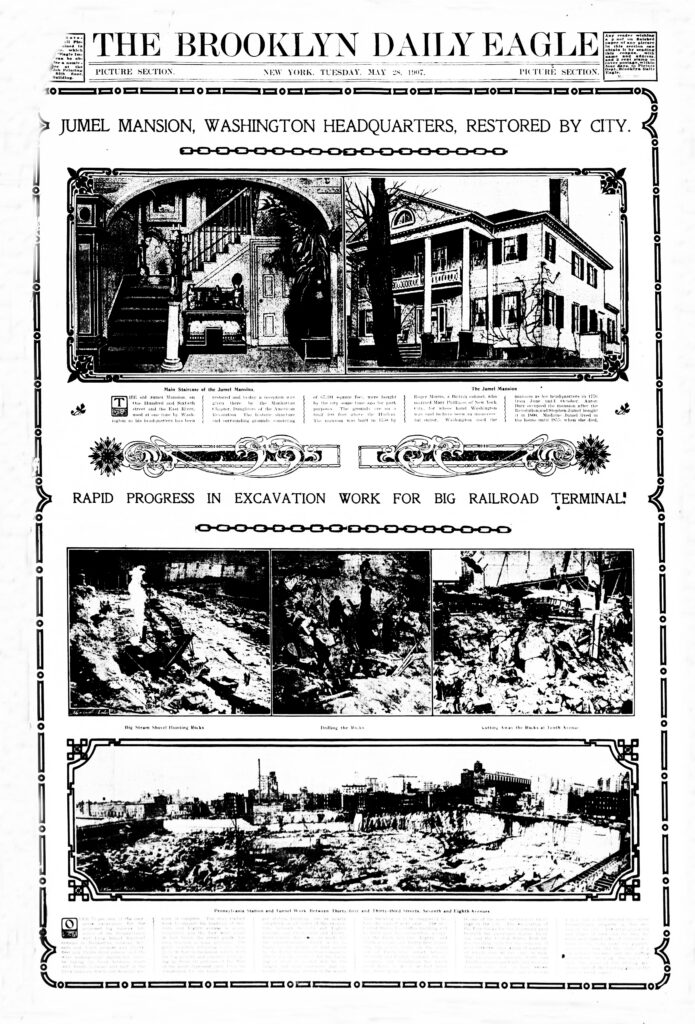
It was he who sent a Maryland contingent of soldiers to help the Continental Army in the Battle of Brooklyn in 1776. In defending the Old Stone House in Gowanus from invading British forces, 256 Maryland soldiers were killed. It was their sacrifice that was commemorated by naming the community after Carroll.
Surveyor Richard Butts planned the neighborhood in 1864, after the opening of the ferry from Manhattan’s Whitehall St. to Brooklyn’s Atlantic Ave., and created the concept of the gardens for which the neighborhood is known, its row houses recessed from the street, with unusually deep front yards.
Carroll Gardens had originally been part of what was then Red Hook in South Brooklyn and didn’t come into being as an entity until the 1960s when it was one of several neighborhoods cut off from Red Hook by the construction of the Brooklyn-Queens Expressway in 1957. At the time, it was unnamed.
With the arrival of young middle-class professionals in the Sixties came a restoration of the area — and the push by real estate agents to name the neighborhood Carroll Gardens. There already was a Carroll Street, a Carroll Park and a Carroll Street Bridge over the Gowanus Canal, believed to be the oldest retractile bridge in the country.