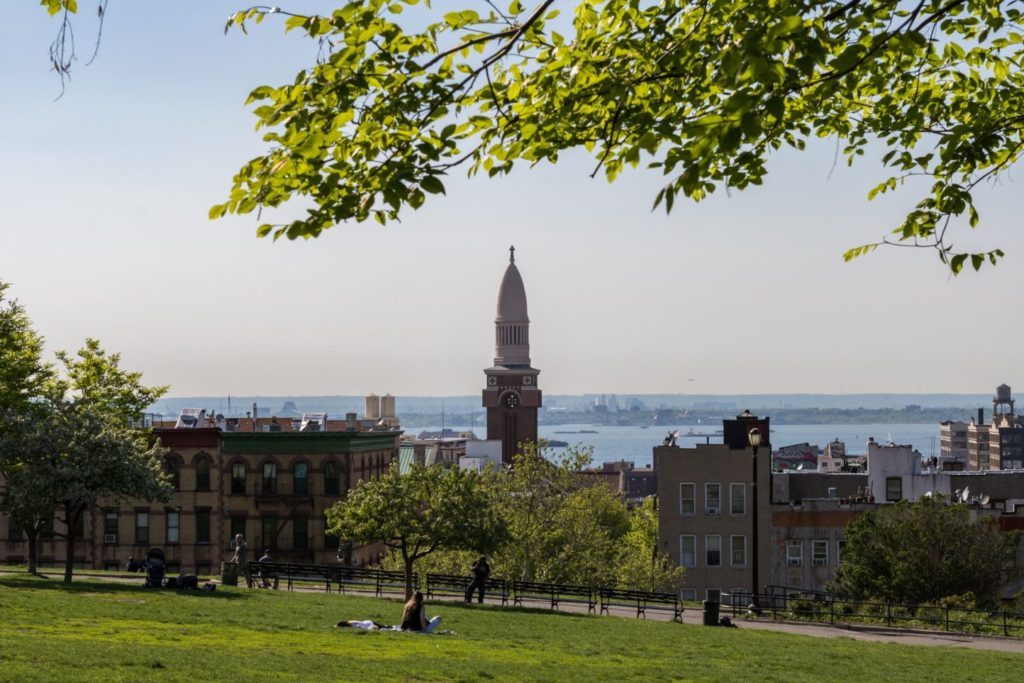
How Sunset Park got its name
Sunset Park offers stunning harbor views and a rich history, evolving from Dutch farmland to a diverse, multicultural Brooklyn neighborhood.

Sunset Park offers stunning harbor views and a rich history, evolving from Dutch farmland to a diverse, multicultural Brooklyn neighborhood.

Sunset Park evolved from Dutch farmland to an immigrant hub, industrial center and vibrant multicultural neighborhood with renewed commercial life.
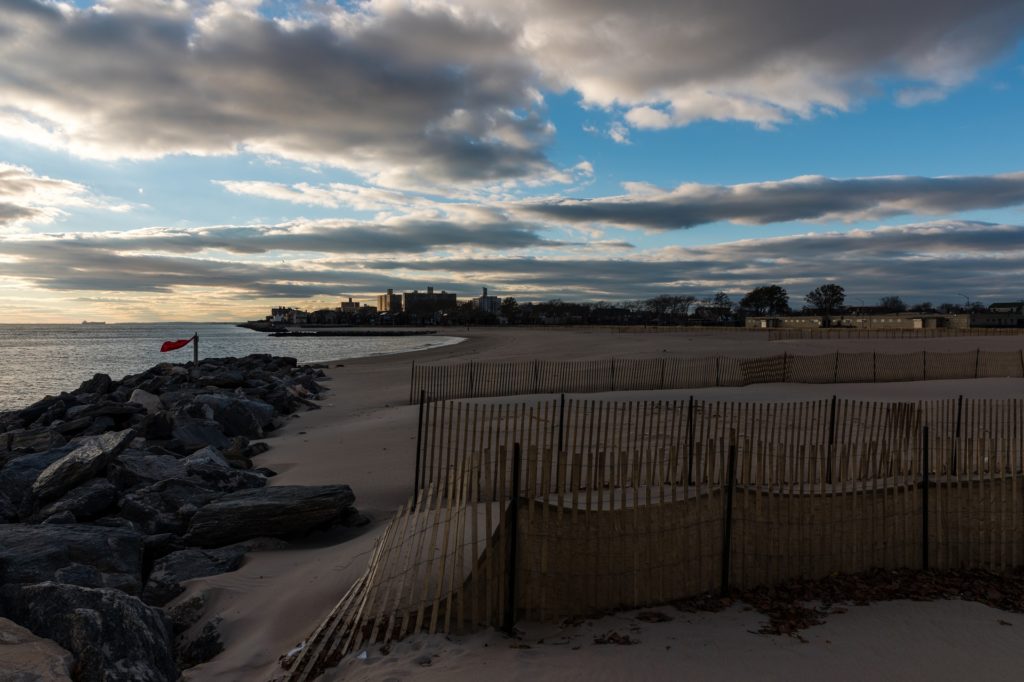
Manhattan Beach began as farmland and became a Gilded Age seaside resort, later evolving into a quiet Brooklyn neighborhood.
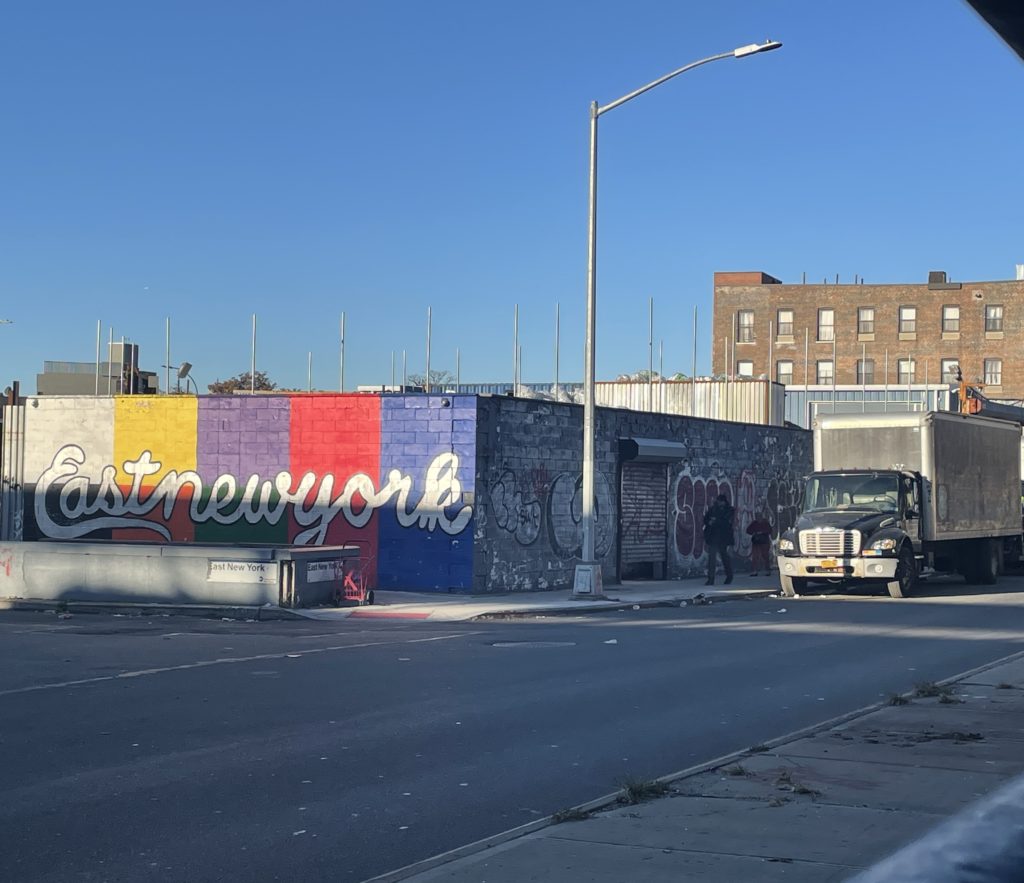
East New York, settled in 1670 as New Lots, grew from farmland to a Brooklyn neighborhood shaped by history and 20th-century development.
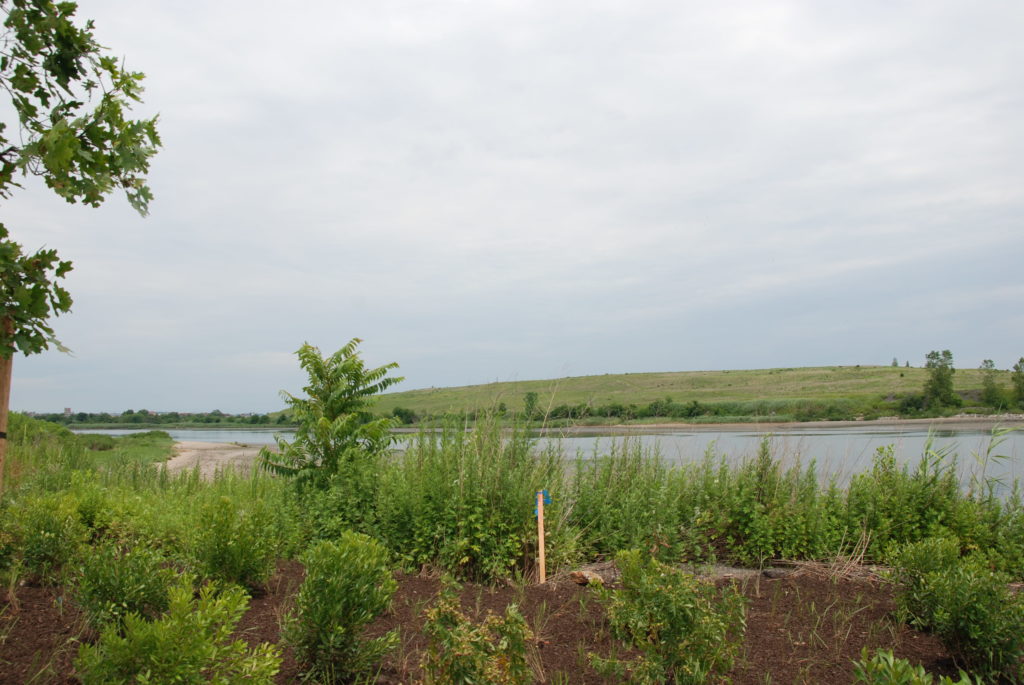
East New York, once called Ostwout or New Lots, grew from 17th-century farms to a diverse immigrant hub, later facing decline before community-led revitalization.
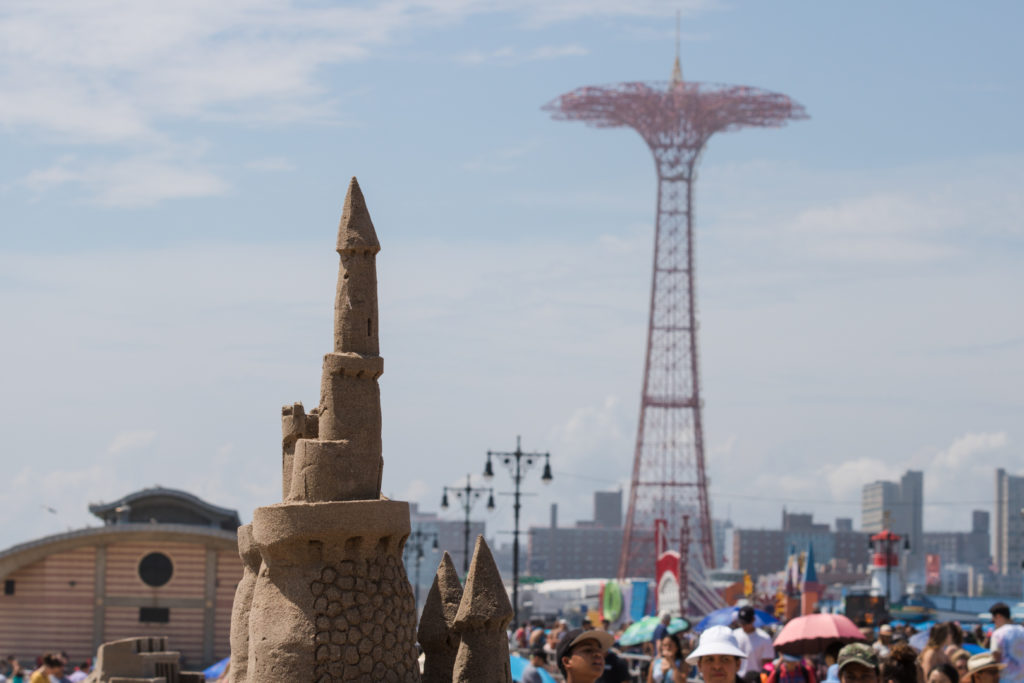
Along with iconic New York, Coney Island, a peninsula on the Atlantic Ocean coast of Brooklyn, is a name known around the world.
Sheepshead Bay was named for a fish once common in the area. It now includes Homecrest, Madison, and Plumb Beach, a protected parkland.
Williamsburg evolved from rural Dutch land to a bustling village, later joining Brooklyn and growing with immigration and the 1903 bridge.
Williamsburg grew from Dutch farmland to a booming 19th-century industrial hub, later shaped by immigration and the 1903 Williamsburg Bridge.
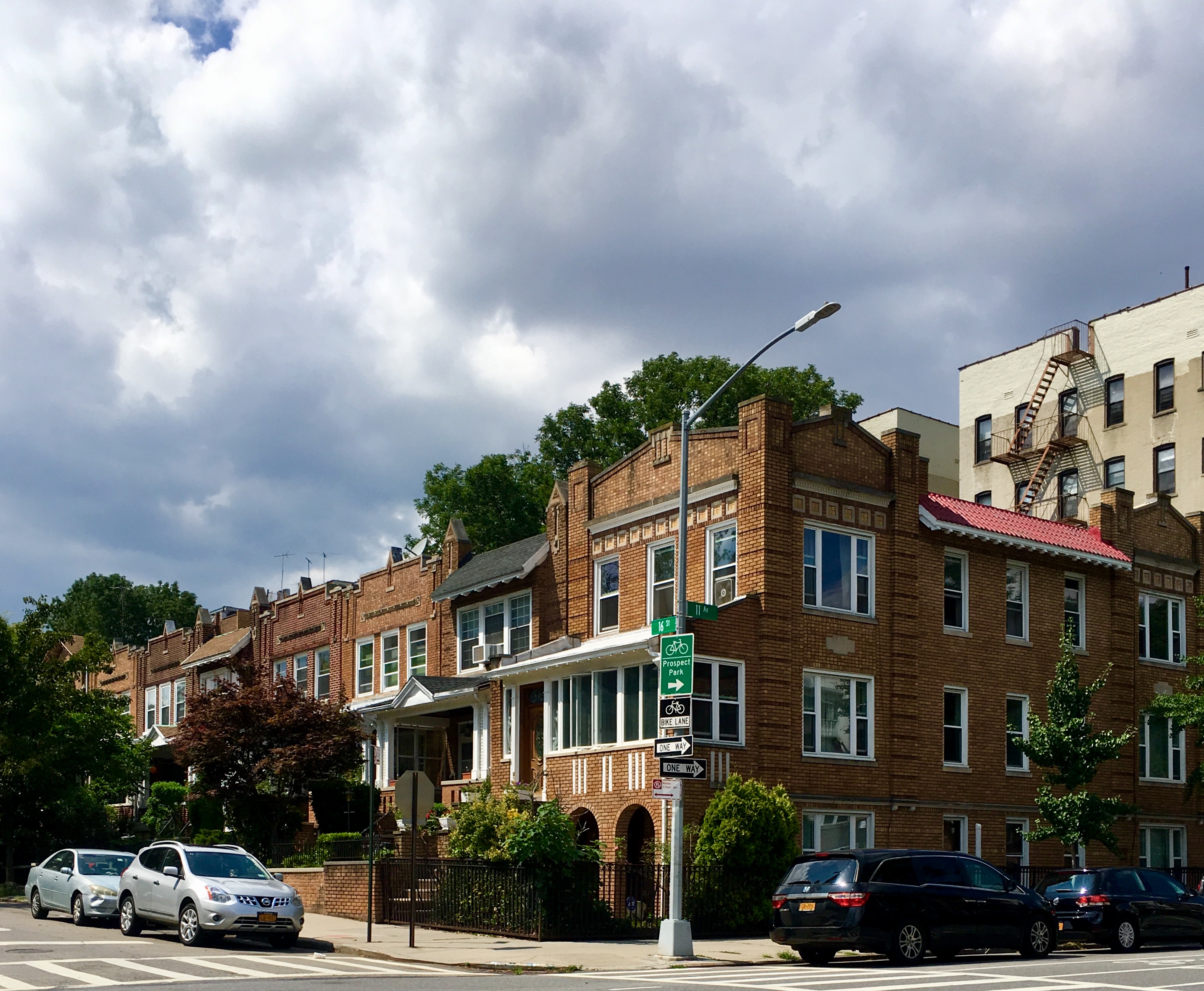
Windsor Terrace grew from Dutch farmland into a village by 1851, later shaped by Green-Wood Cemetery and the 1950s Prospect Expressway.
Windsor Terrace, once Canarsee land, became a quiet enclave shaped by 1900s row houses, the subway in 1933, and rezoning in the 1980s.

This Brooklyn area began as Dutch-settled farmland and evolved through Navy Yard ties, crime on Sands Street and mid-century renewal.
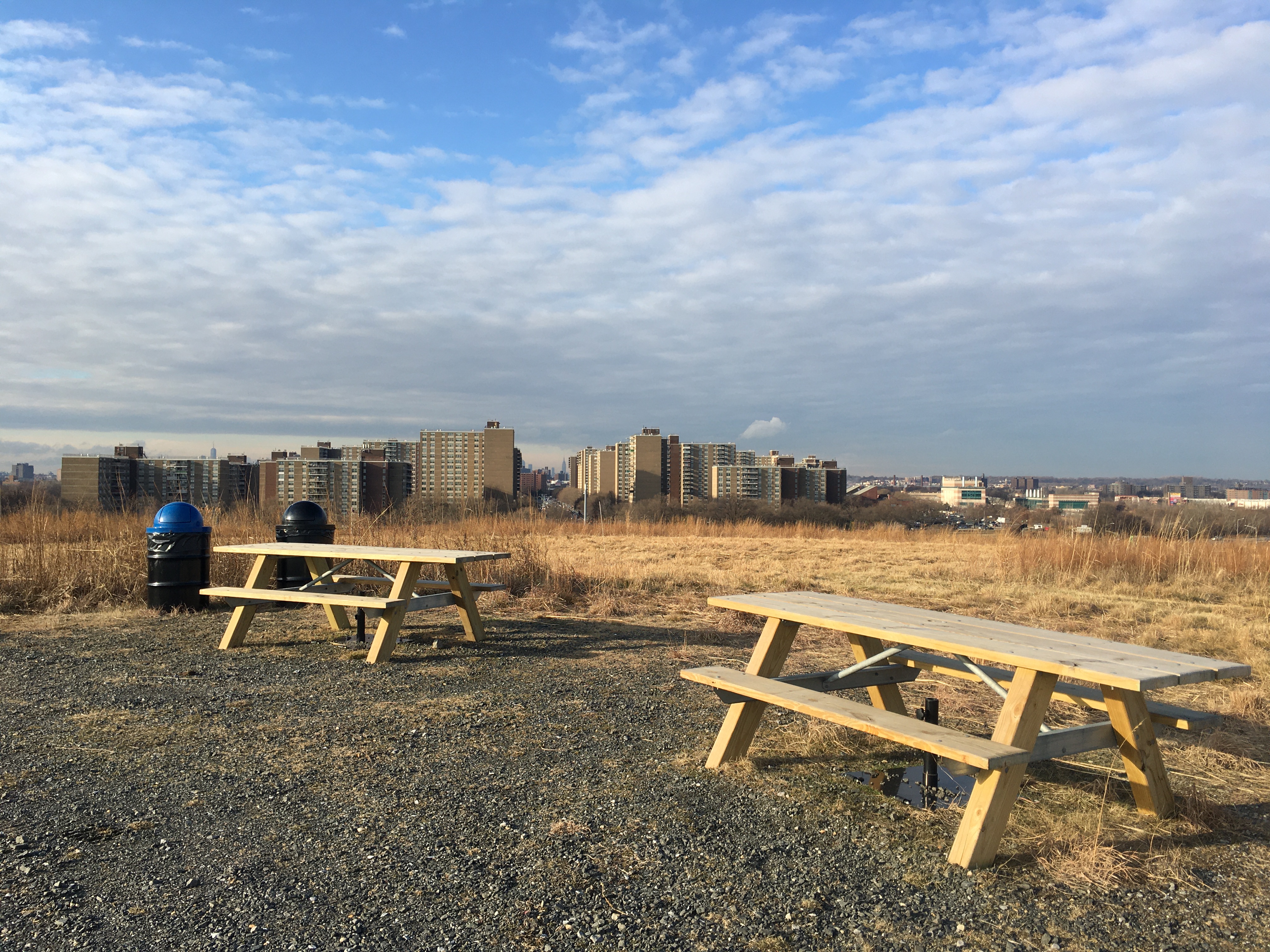
Spring Creek Towers, once Starrett City, opened in 1975 with race-based quotas. It’s now the largest federally subsidized housing project.

Sheepshead Bay grew from rural farmland to a seaside resort, then a booming neighborhood shaped by railroads, racing and postwar growth.
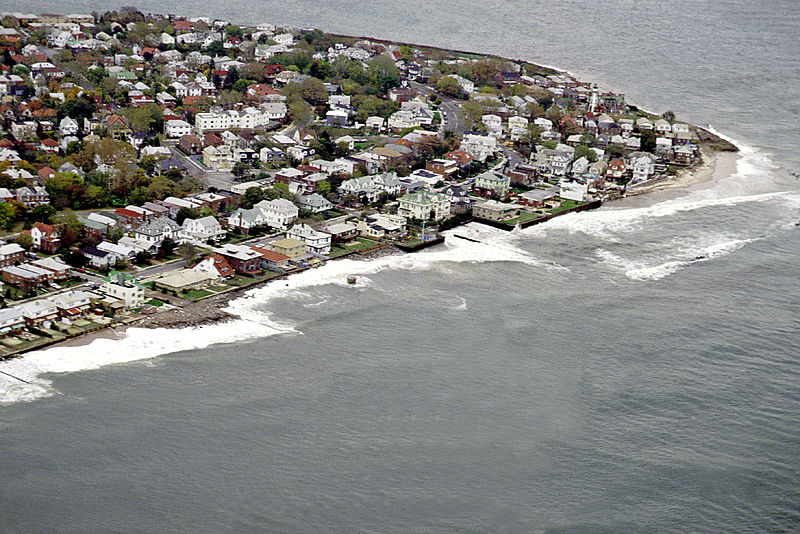
Sea Gate evolved from a Canarsee village tip to a gated enclave, once a gamblers’ haven, later developed as an exclusive seaside community.

Sheepshead Bay was named for a fish once common in the area. It now includes Homecrest, Madison, and Plumb Beach, a protected parkland.
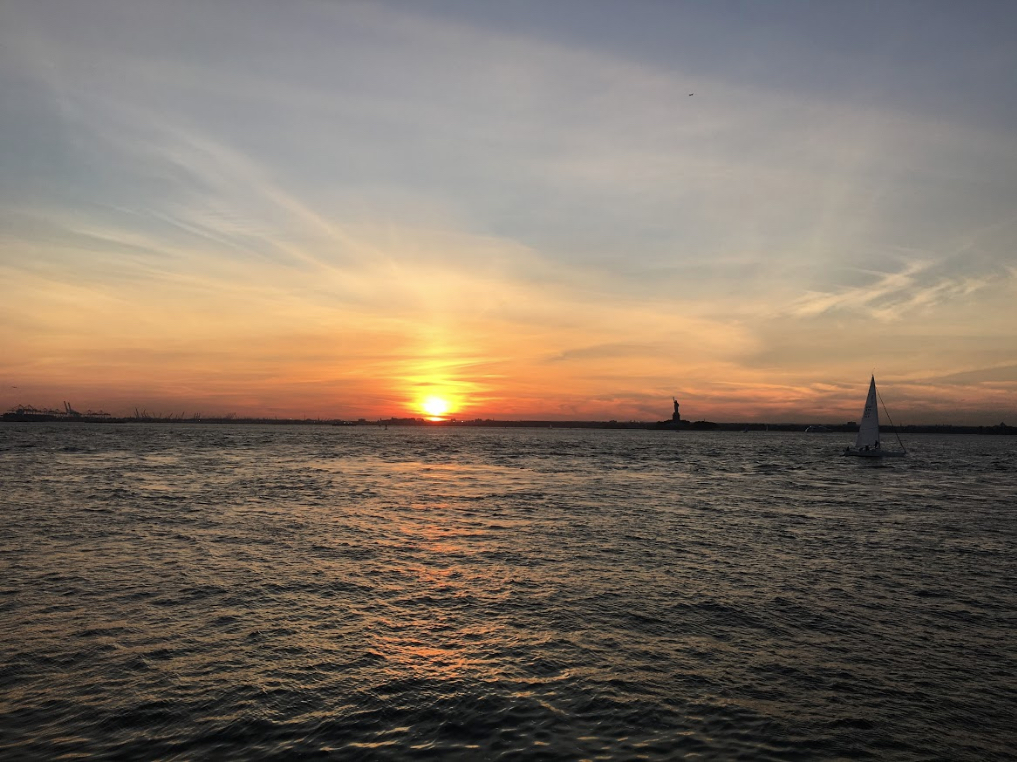
Red Hook was named by Dutch settlers in 1636 and later became a key Continental Army route via a former Canarsee trail in the 1760s.
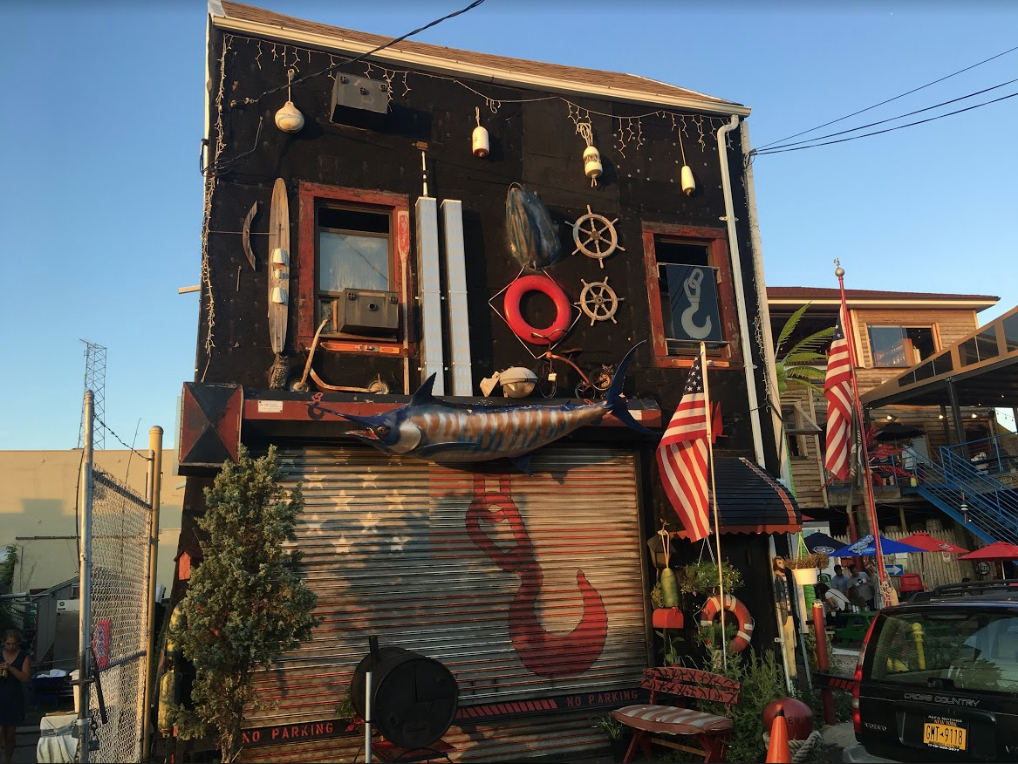
Red Hook grew from marshland to port to artist enclave, shaped by war, shipping, housing projects and 20th-century urban decline and renewal.
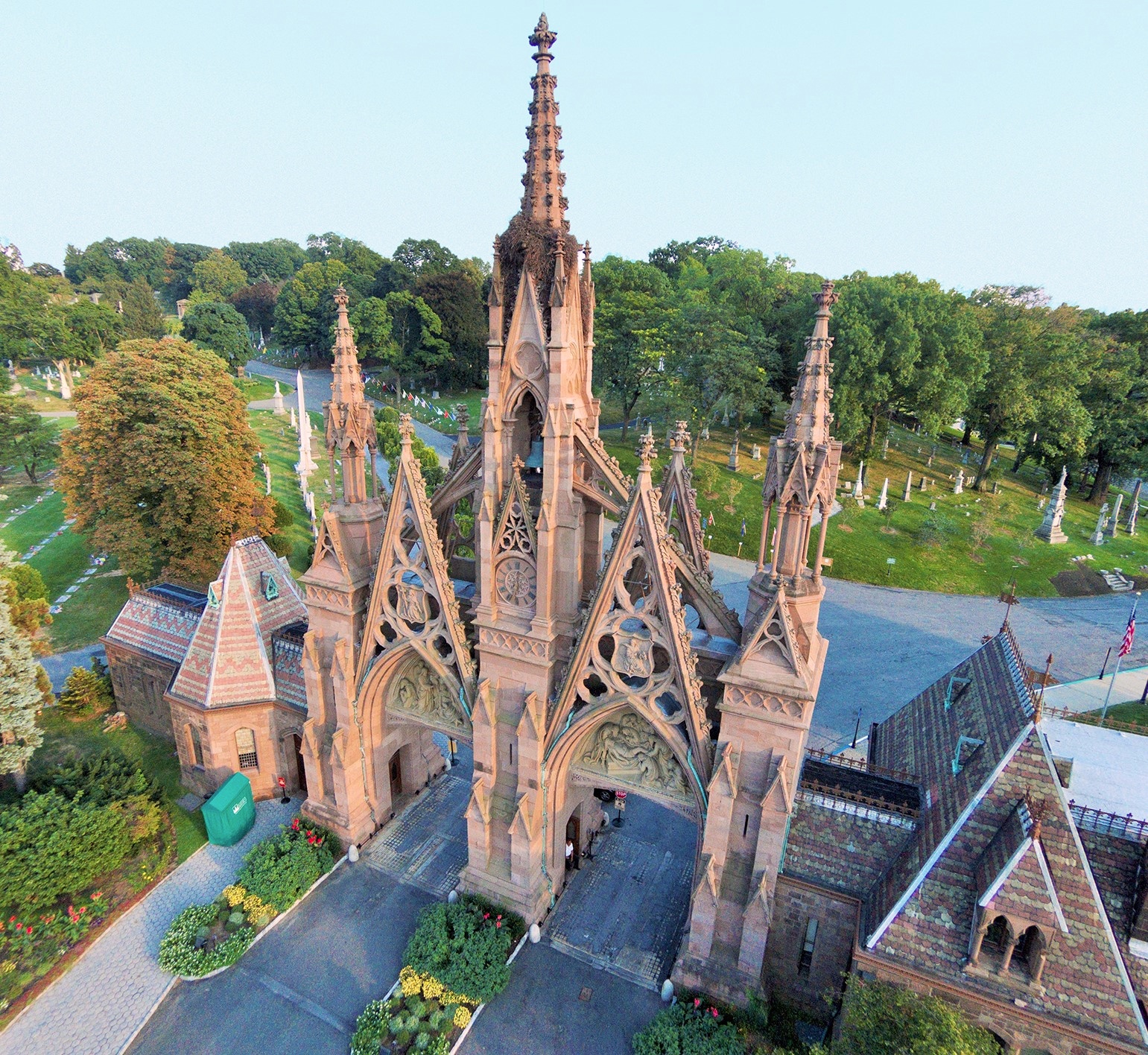
Greenwood Heights was named as early as 1846 and is home to the Green-Wood Cemetery, a popular hangout before Prospect Park was finished.
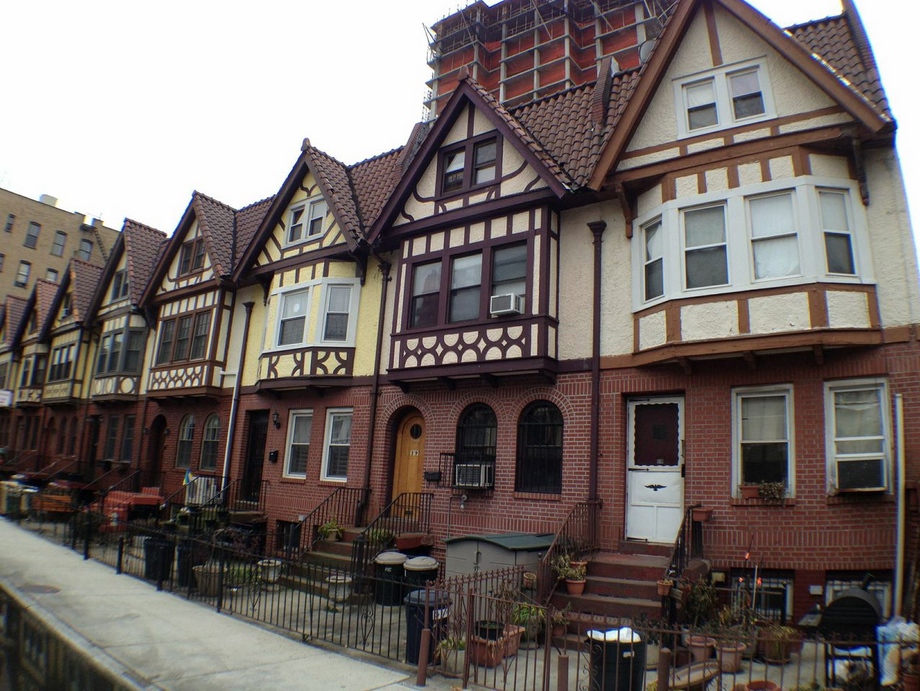
Prospect Lefferts Gardens was developed from farmland into a planned neighborhood of single-family homes after Prospect Park opened.
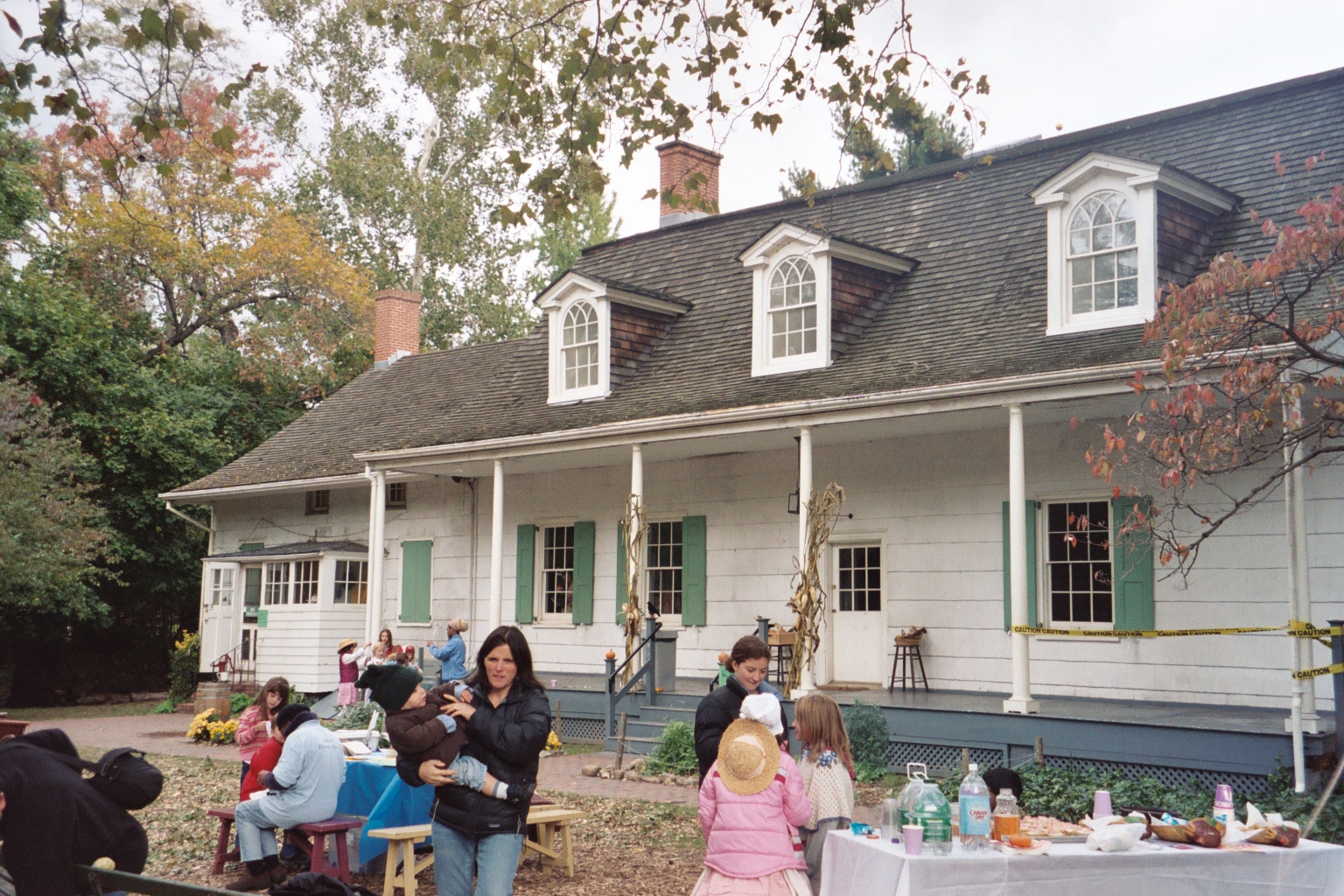
Prospect Lefferts Gardens began as a Lefferts family farm and became a planned neighborhood of brick homes and tree-lined streets.
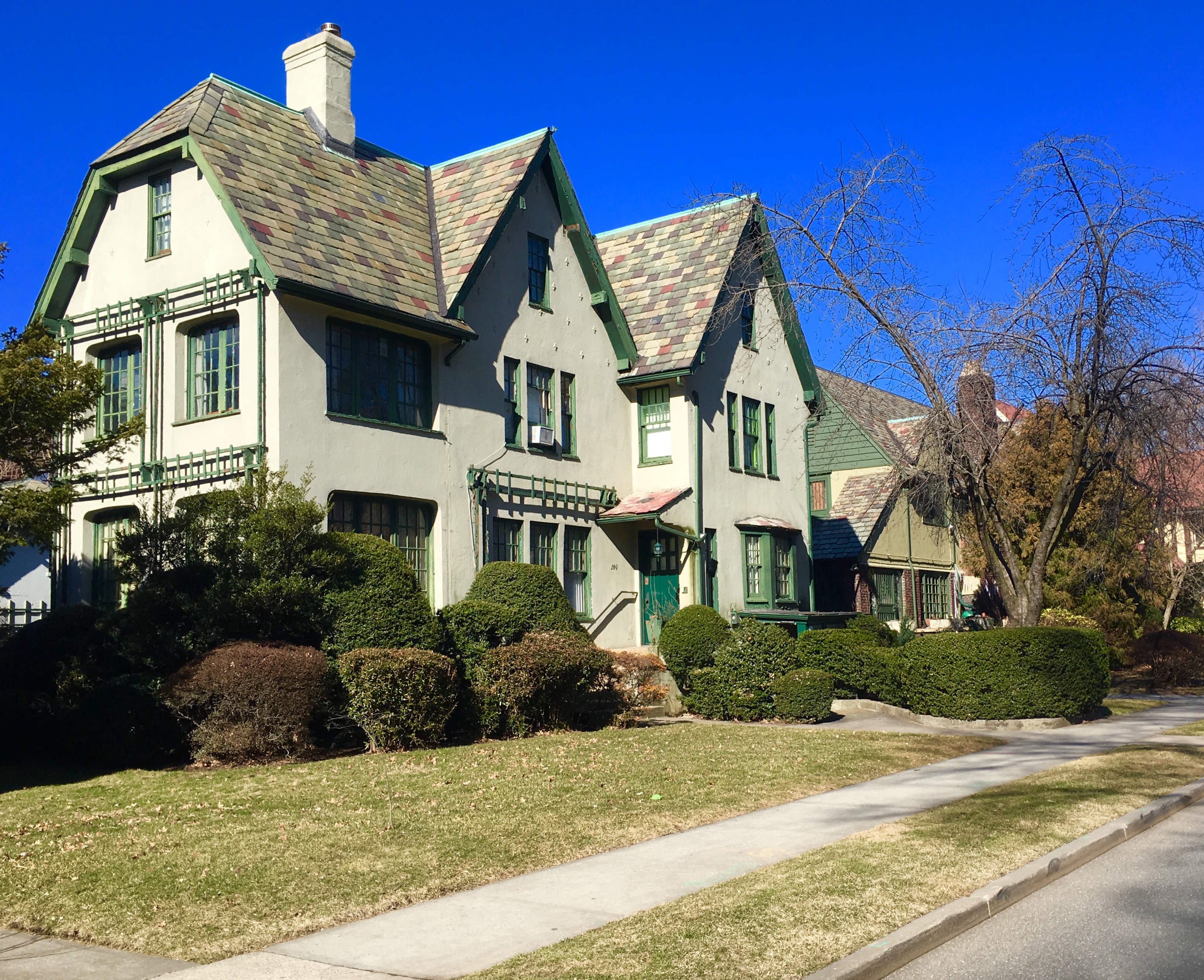
Designed as an alternative to row house living, Prospect Park South was planned as a suburban-style retreat just below Prospect Park.
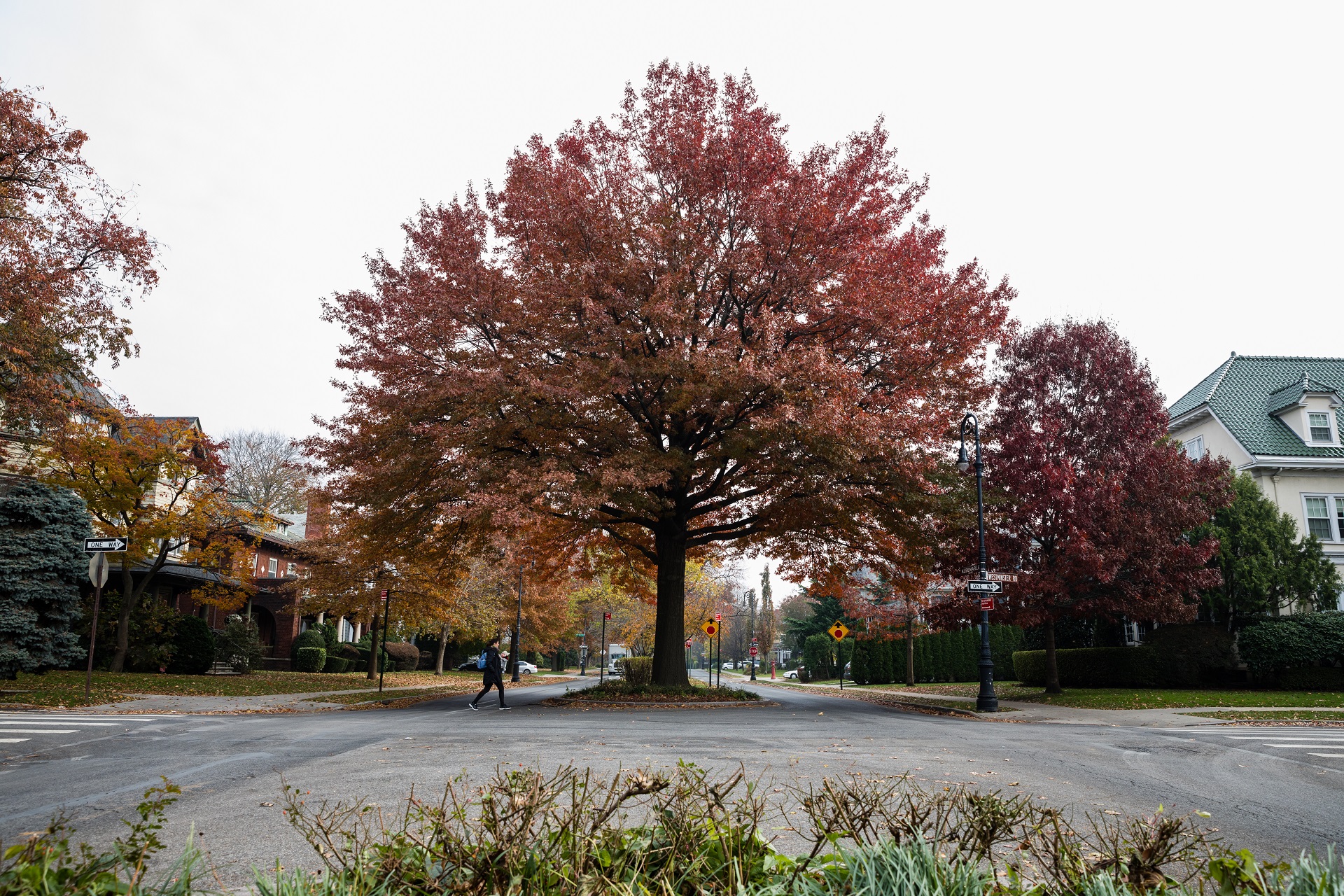
Prospect Park South was developed in 1899 as a suburban-style enclave with freestanding homes, now the heart of Victorian Flatbush.
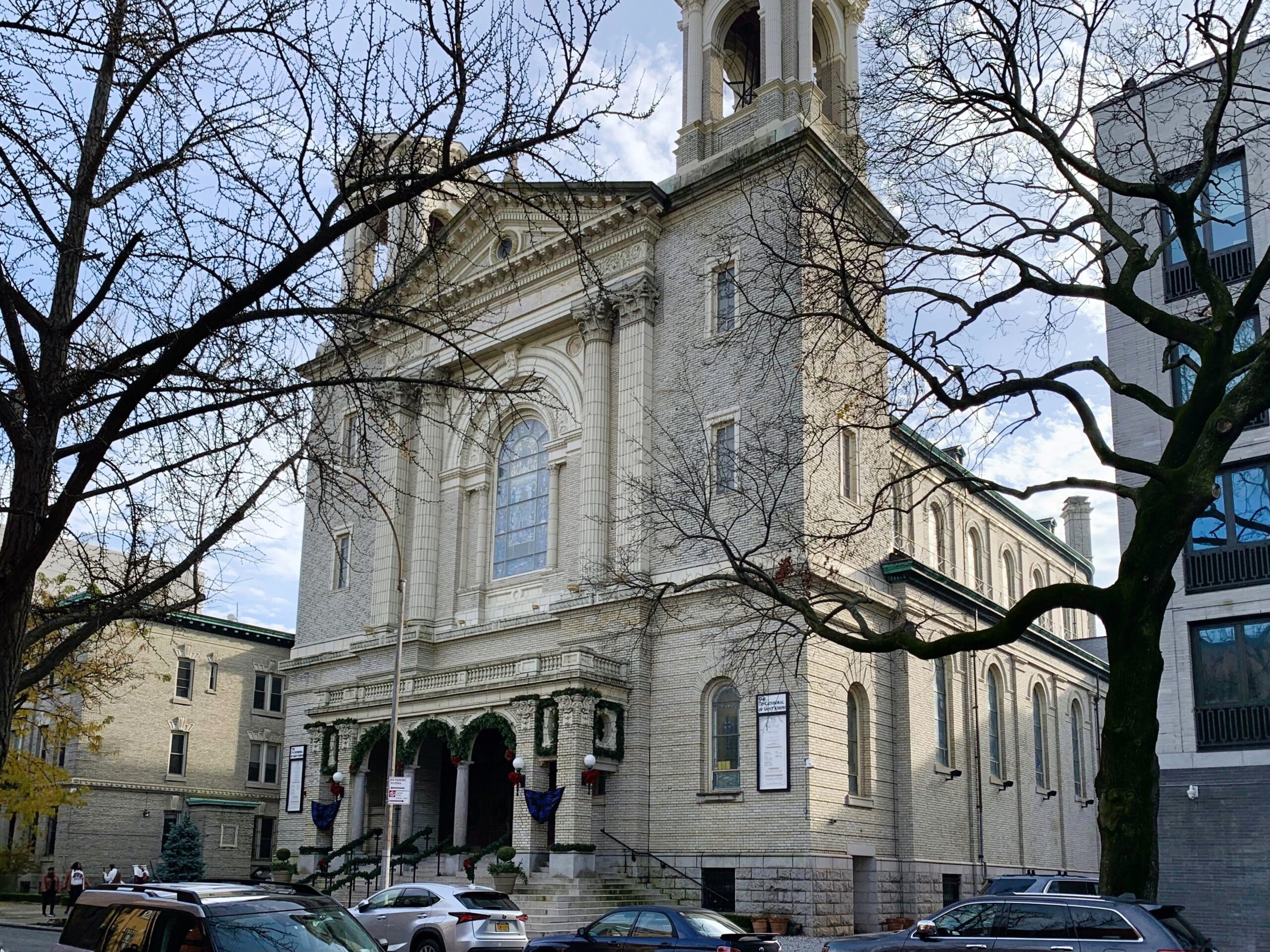
Prospect Heights grew after Prospect Park opened in 1873 and played a key role in both Brooklyn’s history and its cultural landscape.
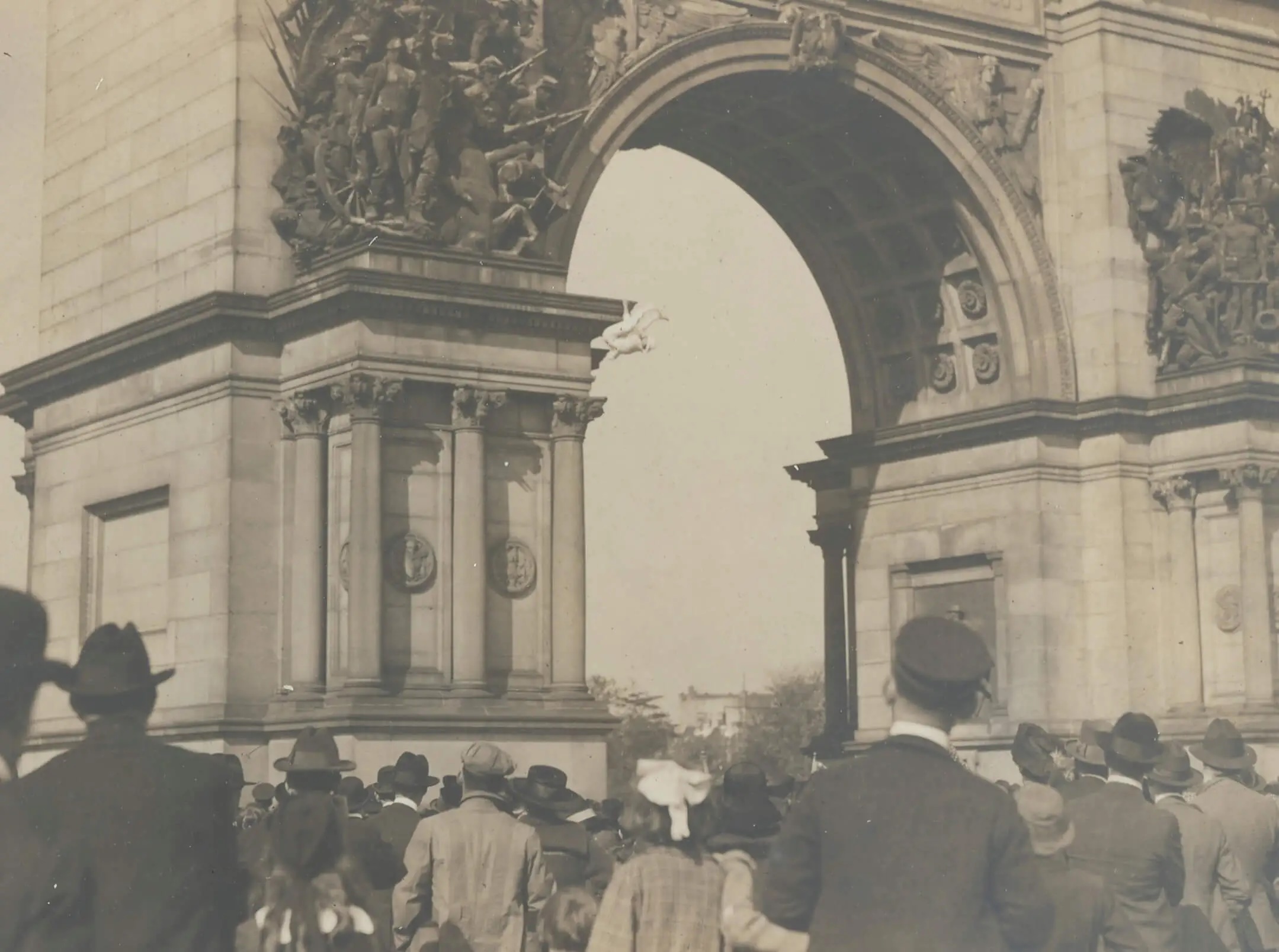
Prospect Heights grew after Prospect Park opened in 1873 and is now home to cultural landmarks and major new developments.
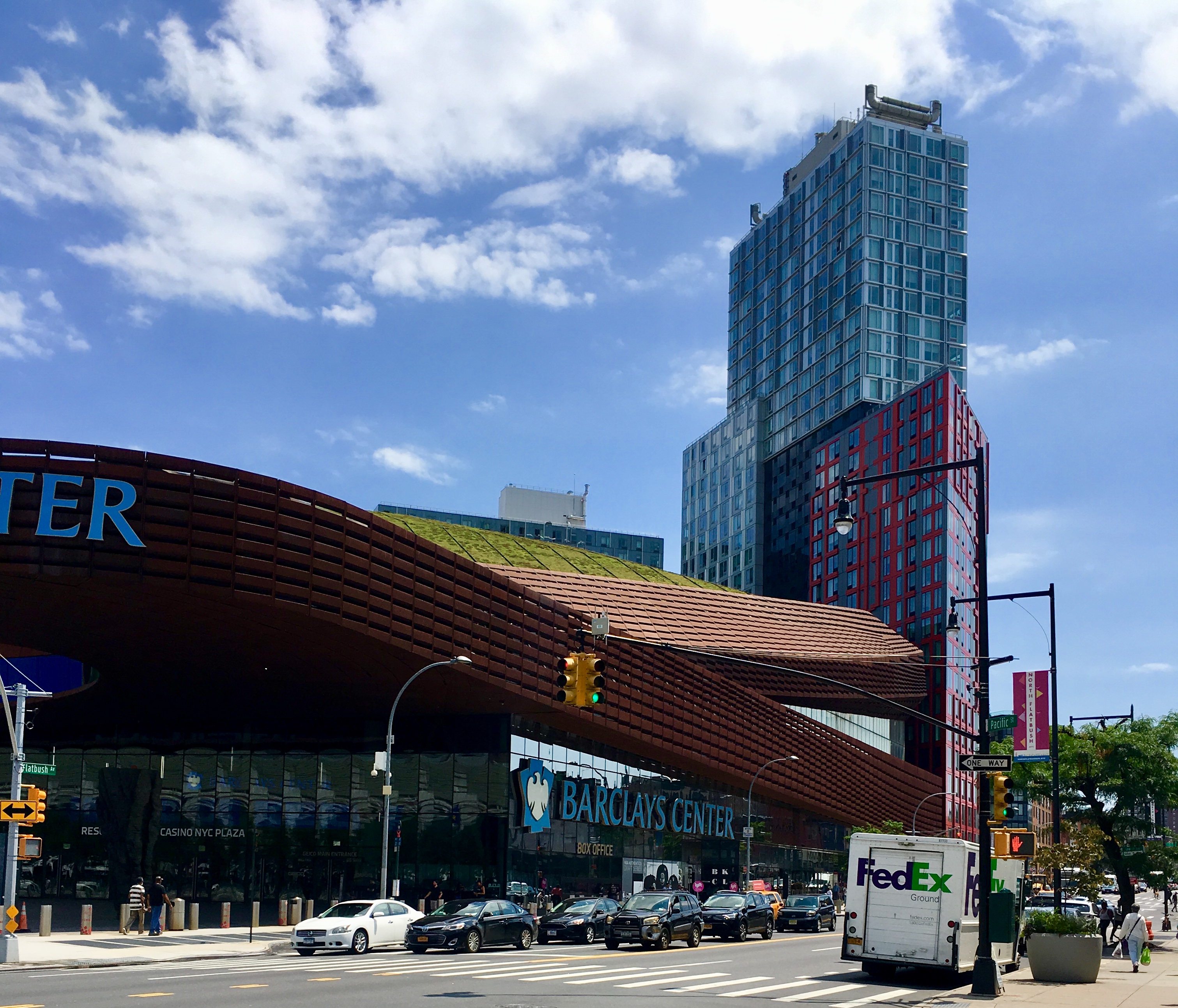
Atlantic Yards, now Pacific Park, began in 2003 and includes Barclays Center and plans for 17 towers in Prospect Heights.
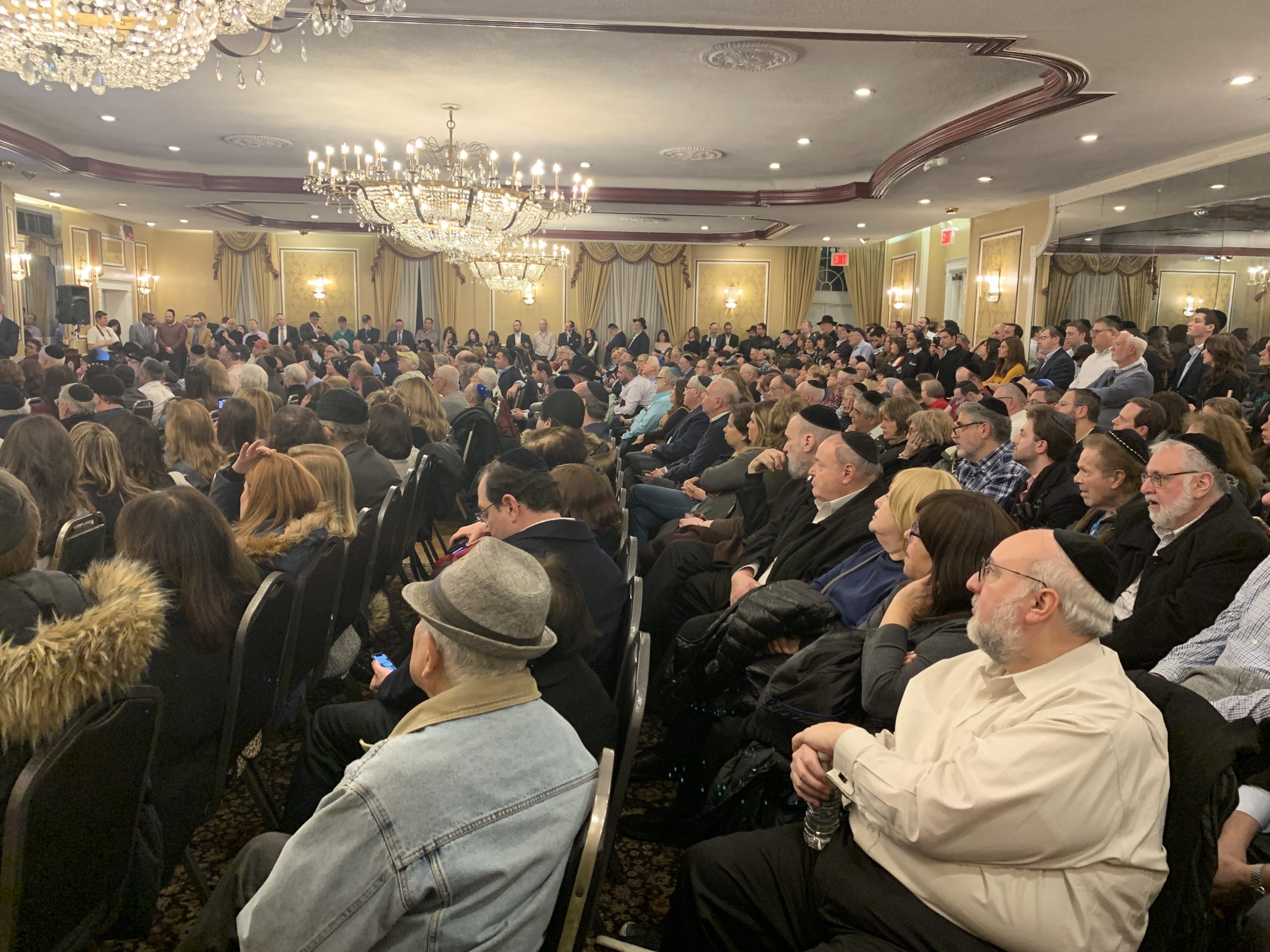
Midwood grew from wooded farmland to a film hub, later becoming a thriving Orthodox Jewish community shaped by transit and tradition.
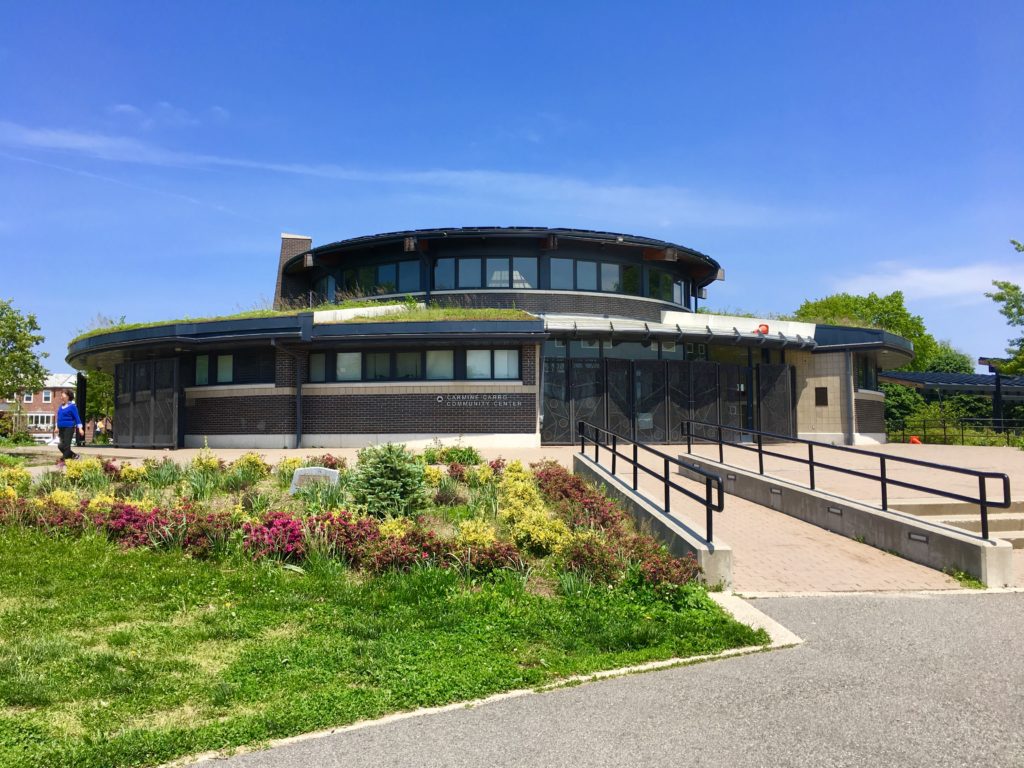
Marine Park grew in the 20th century with parkland donated by wealthy families, but Depression-era cuts reshaped its grand original plans.
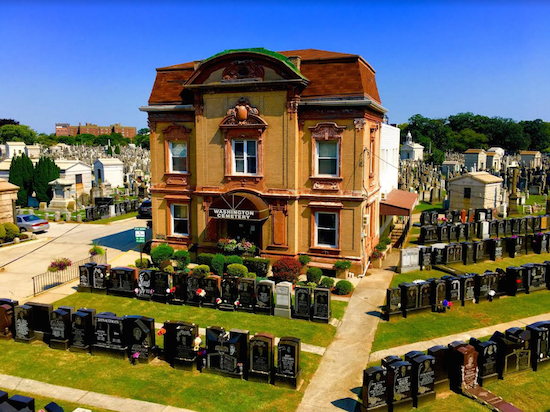
Mapleton, developed in the 1910s, is now a sub-neighborhood of Borough Park, home to a library branch and a major Jewish cemetery.
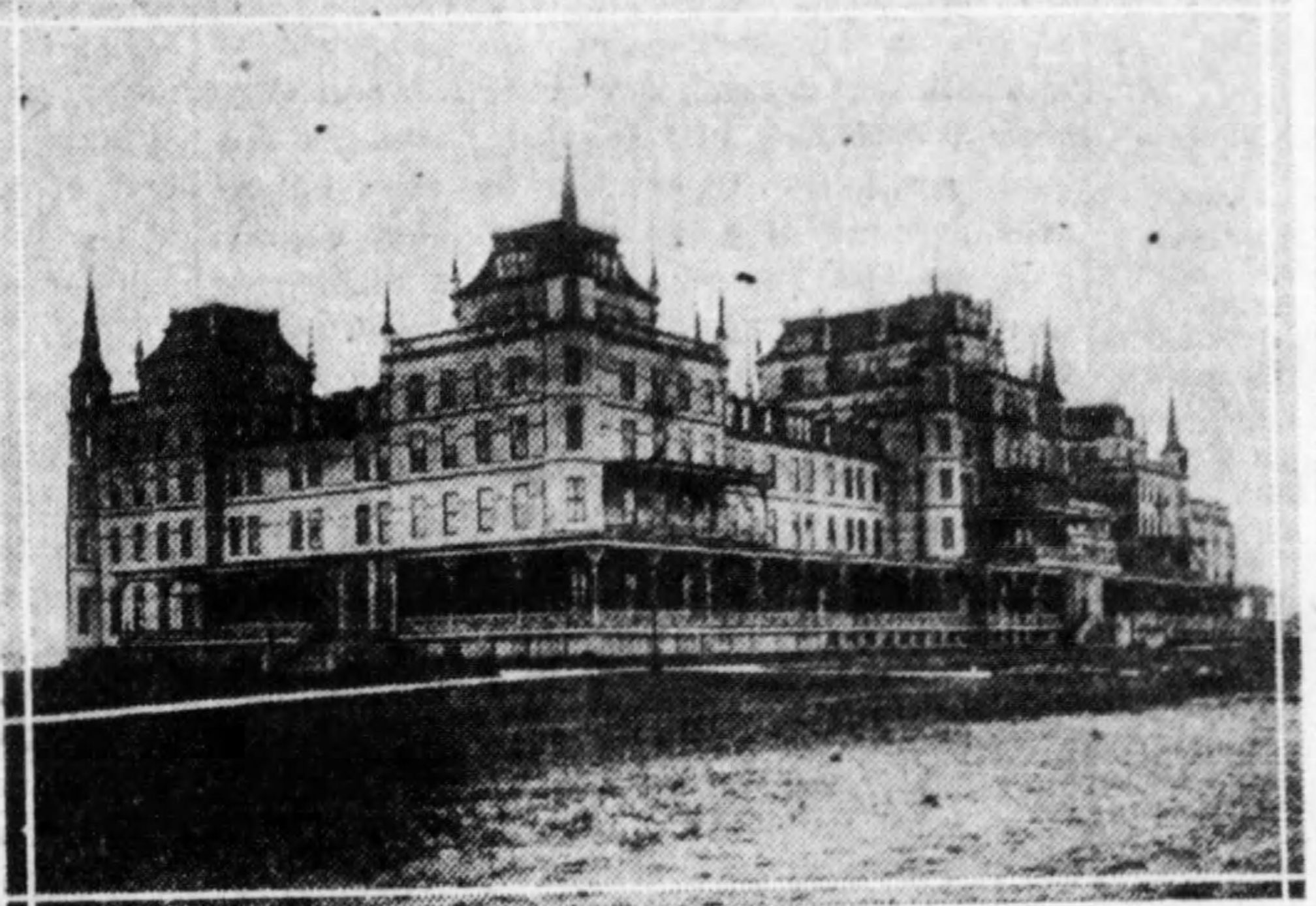
Manhattan Beach evolved from a 19th-century resort for the rich into a quiet Brooklyn neighborhood with modern homes and ocean views.
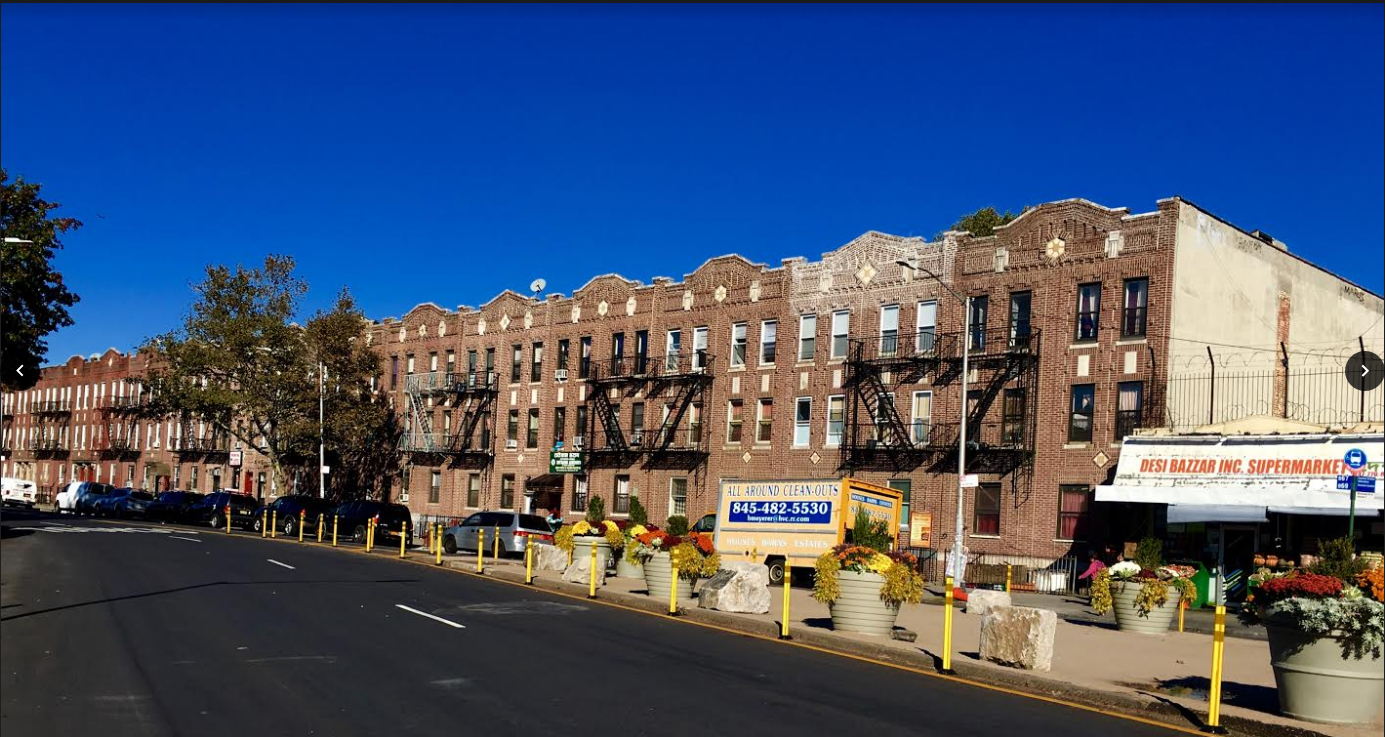
Kensington began as Dutch farmland and grew after 1850 into a Brooklyn neighborhood shaped by roads and housing booms.
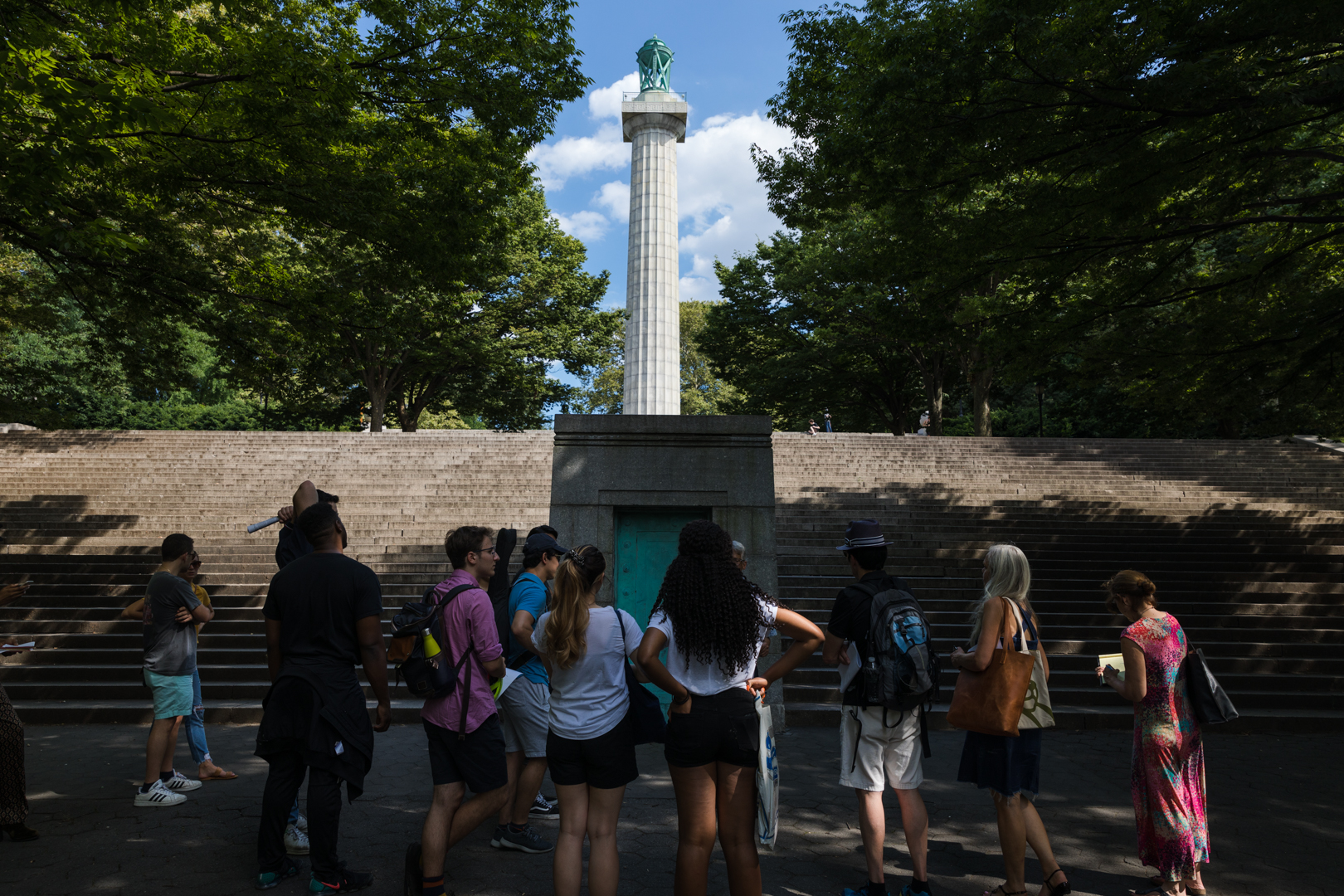
Fort Greene’s name reflects its military roots, from Revolutionary forts to the Navy Yard and a park honoring war prisoners who died nearby.

Gerritsen Beach, named for early Dutch settler Wolfert Gerritsen, grew from rural land to a resort and boating hub by the early 1900s.
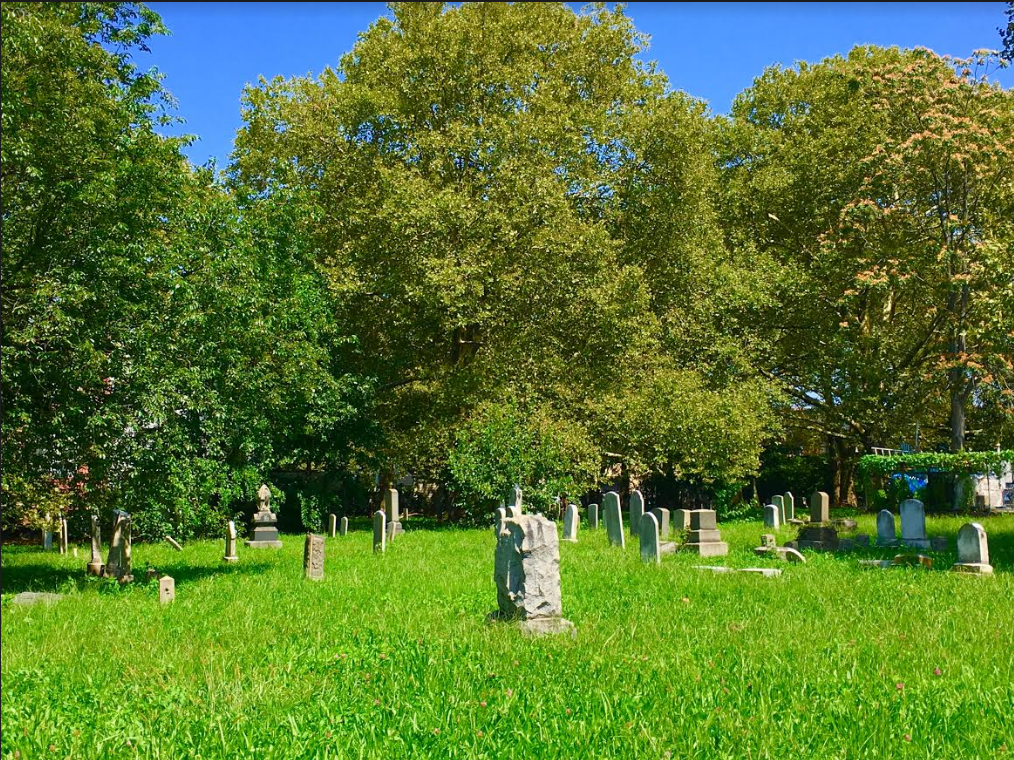
Lady Moody founded Gravesend in 1645 as a haven for religious dissenters, making her the first woman to charter land in the New World.

Greenpoint grew from a grassy East River peninsula to a shipbuilding hub and now thrives as a diverse, vibrant community.

Greenpoint, once a shipbuilding and industrial hub, is now a vibrant mix of immigrant roots and hipster culture along the East River.