The name Blythebourne is not especially familiar to Brooklynites, yet it played a major role in the birth of the neighborhood of Borough Park, which is often spelled Boro Park by its residents.
Originally, this neighborhood, between Prospect Park and Bay Ridge in southwestern Brooklyn, was part of the Dutch town of New Utrecht. It was primarily rural, with local farms and horticultural nurseries, well into the 19th century.
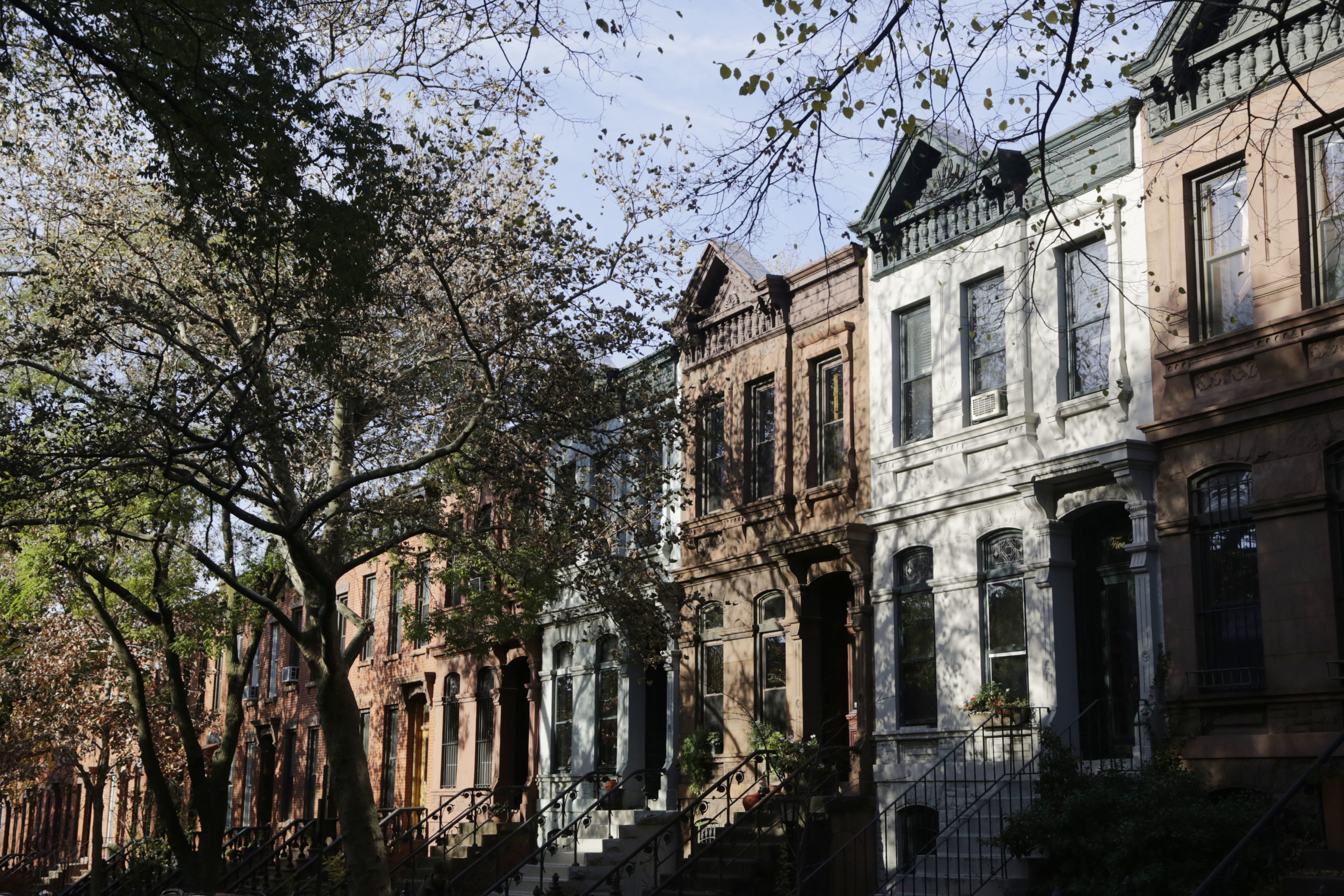
In 1887, Electus Litchfield, an architect and builder, bought some vacant land west of New Utrecht Ave. and created a community of cottages he called Blythebourne, for the Scottish words for “happy home.” He advertised the location of his homes as “the most accessible, agreeable and improving vicinage on Long Island.”
An adjacent community was founded in 1902 by William H. Reynolds, an entrepreneur and state senator, who bought a tract of land north of Blythebourne then subdivided the area into 400 lots for sale. He called his new neighborhood Borough Park.
In the mid-1920s, largely because of a real-estate boom, Borough Park grew to the point where it encompassed Blythebourne.
The construction of the New Utrecht Avenue elevated line, now the D train, spurred the area’s growth after World War I.
Since late in the 20th century, Borough Park has mainly been the home of Orthodox Jews. Many came in 1956 after the Hungarian uprising, and more in 1957 with the building of the Brooklyn-Queens Expressway, which displaced many Jews from Crown Heights and Williamsburg.
The small community of Mapleton, which developed in the 1910s, is now a section of Borough Park.