
Sunset Park History
Sunset Park evolved from Dutch farmland to an immigrant hub, industrial center and vibrant multicultural neighborhood with renewed commercial life.

Sunset Park evolved from Dutch farmland to an immigrant hub, industrial center and vibrant multicultural neighborhood with renewed commercial life.
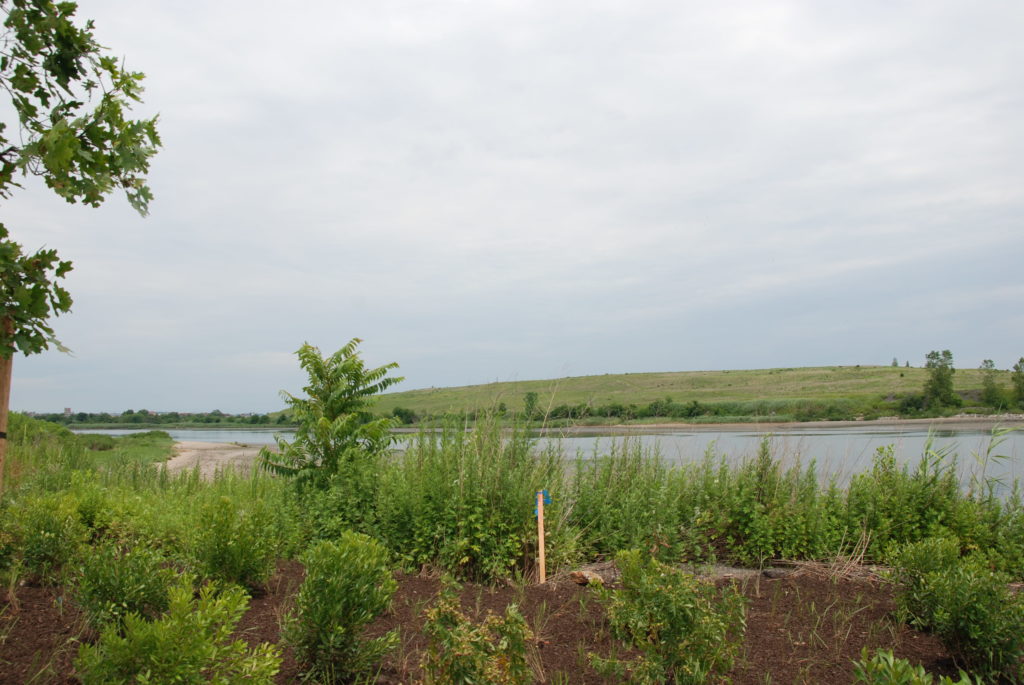
East New York, once called Ostwout or New Lots, grew from 17th-century farms to a diverse immigrant hub, later facing decline before community-led revitalization.
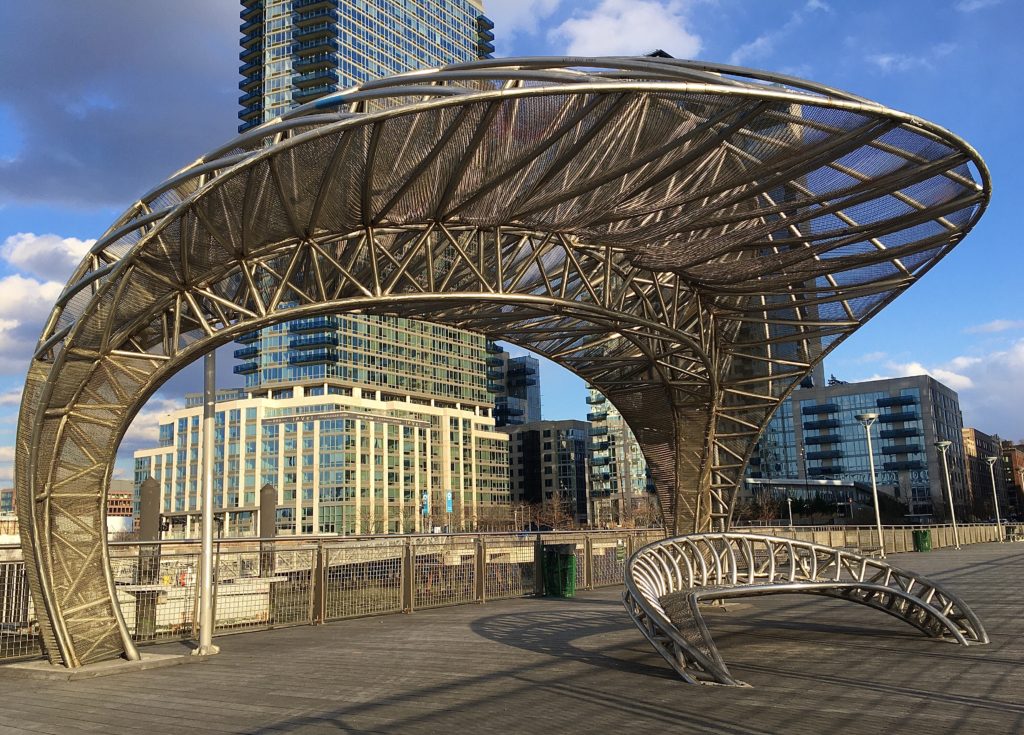
Williamsburg grew from Dutch farmland to a booming 19th-century industrial hub, later shaped by immigration and the 1903 Williamsburg Bridge.
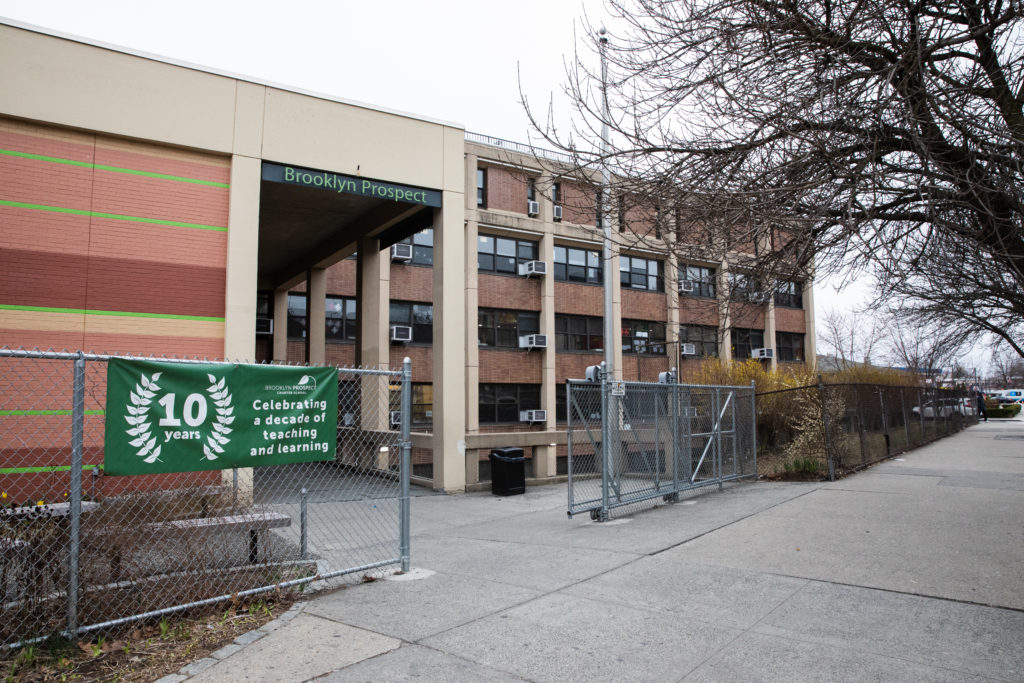
Windsor Terrace, once Canarsee land, became a quiet enclave shaped by 1900s row houses, the subway in 1933, and rezoning in the 1980s.

This Brooklyn area began as Dutch-settled farmland and evolved through Navy Yard ties, crime on Sands Street and mid-century renewal.

Spring Creek Towers, once Starrett City, opened in 1975 with race-based quotas. It’s now the largest federally subsidized housing project.

Sheepshead Bay grew from rural farmland to a seaside resort, then a booming neighborhood shaped by railroads, racing and postwar growth.
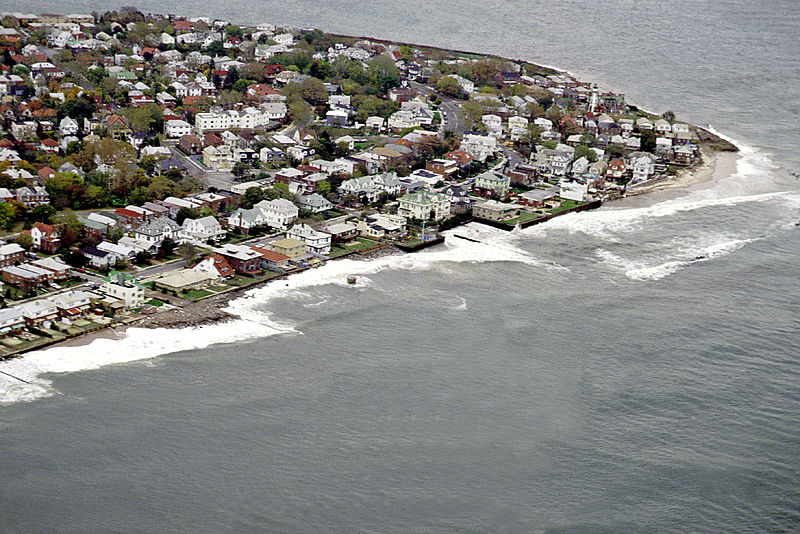
Sea Gate evolved from a Canarsee village tip to a gated enclave, once a gamblers’ haven, later developed as an exclusive seaside community.
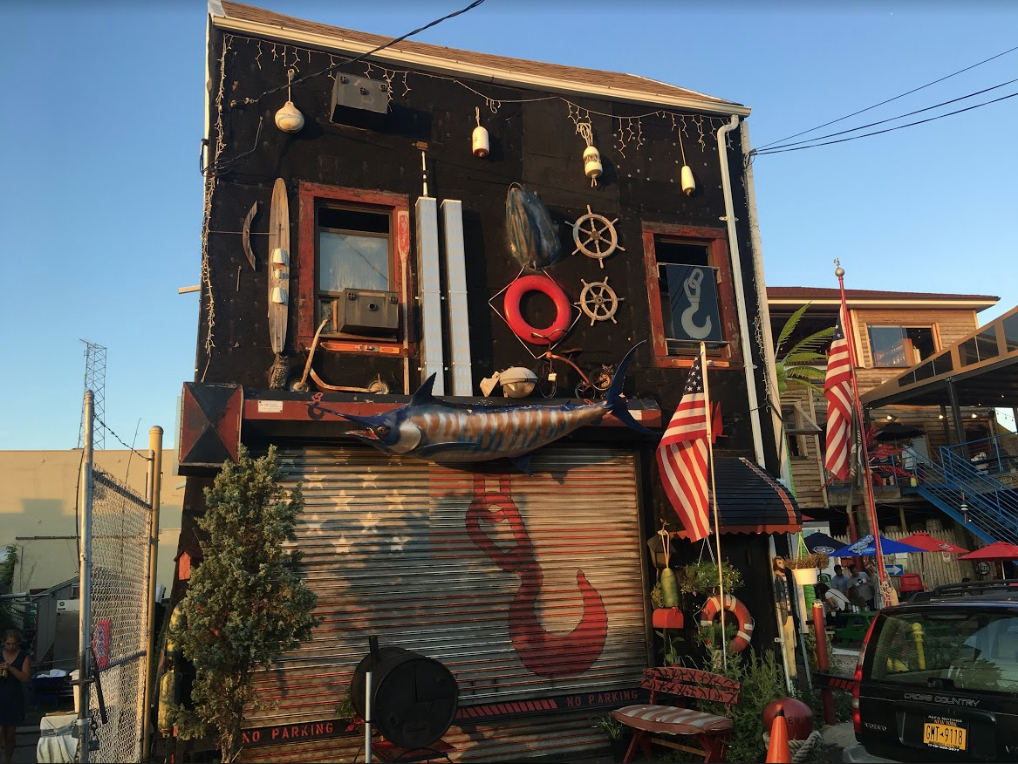
Red Hook grew from marshland to port to artist enclave, shaped by war, shipping, housing projects and 20th-century urban decline and renewal.
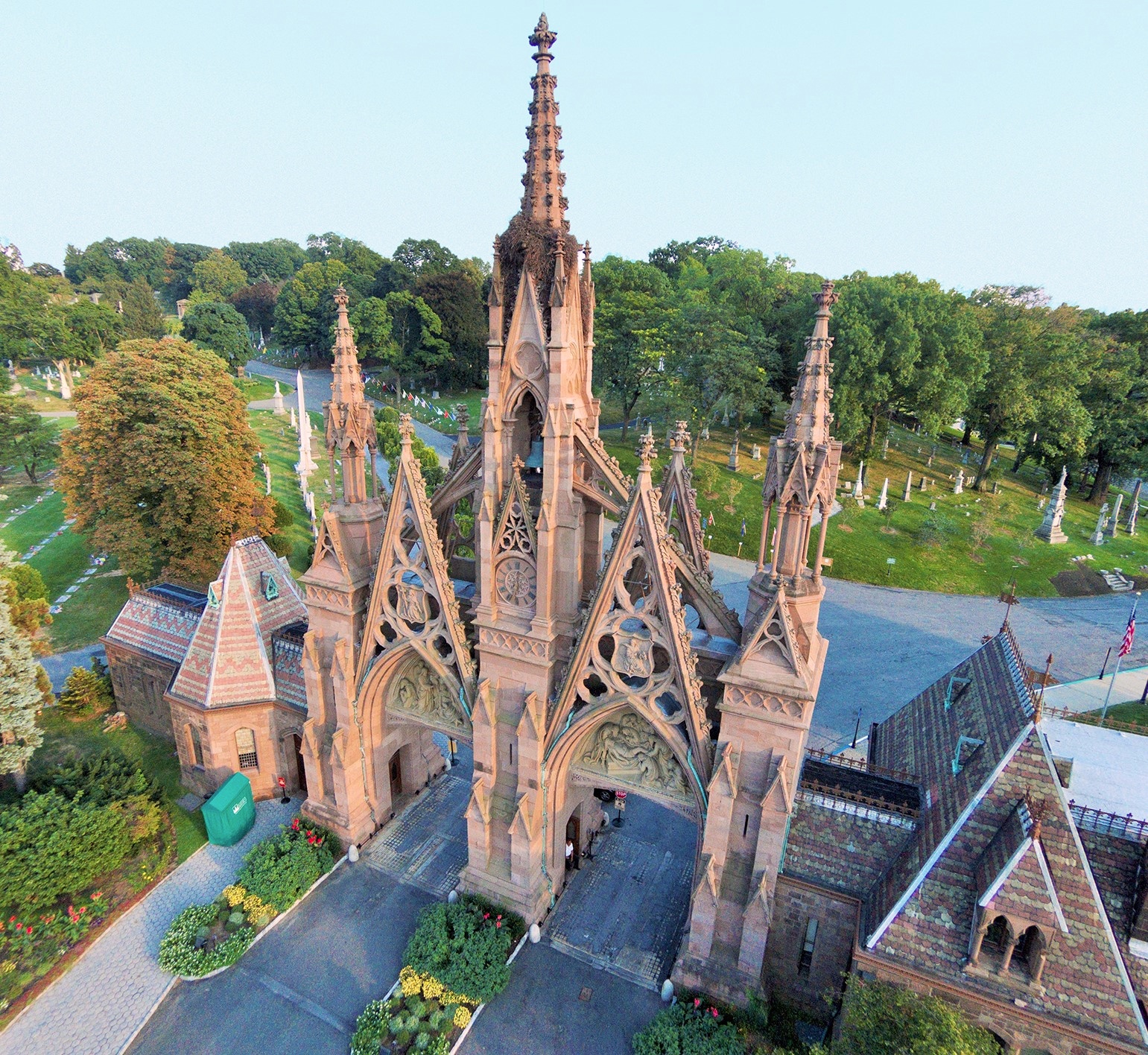
Greenwood Heights was named as early as 1846 and is home to the Green-Wood Cemetery, a popular hangout before Prospect Park was finished.
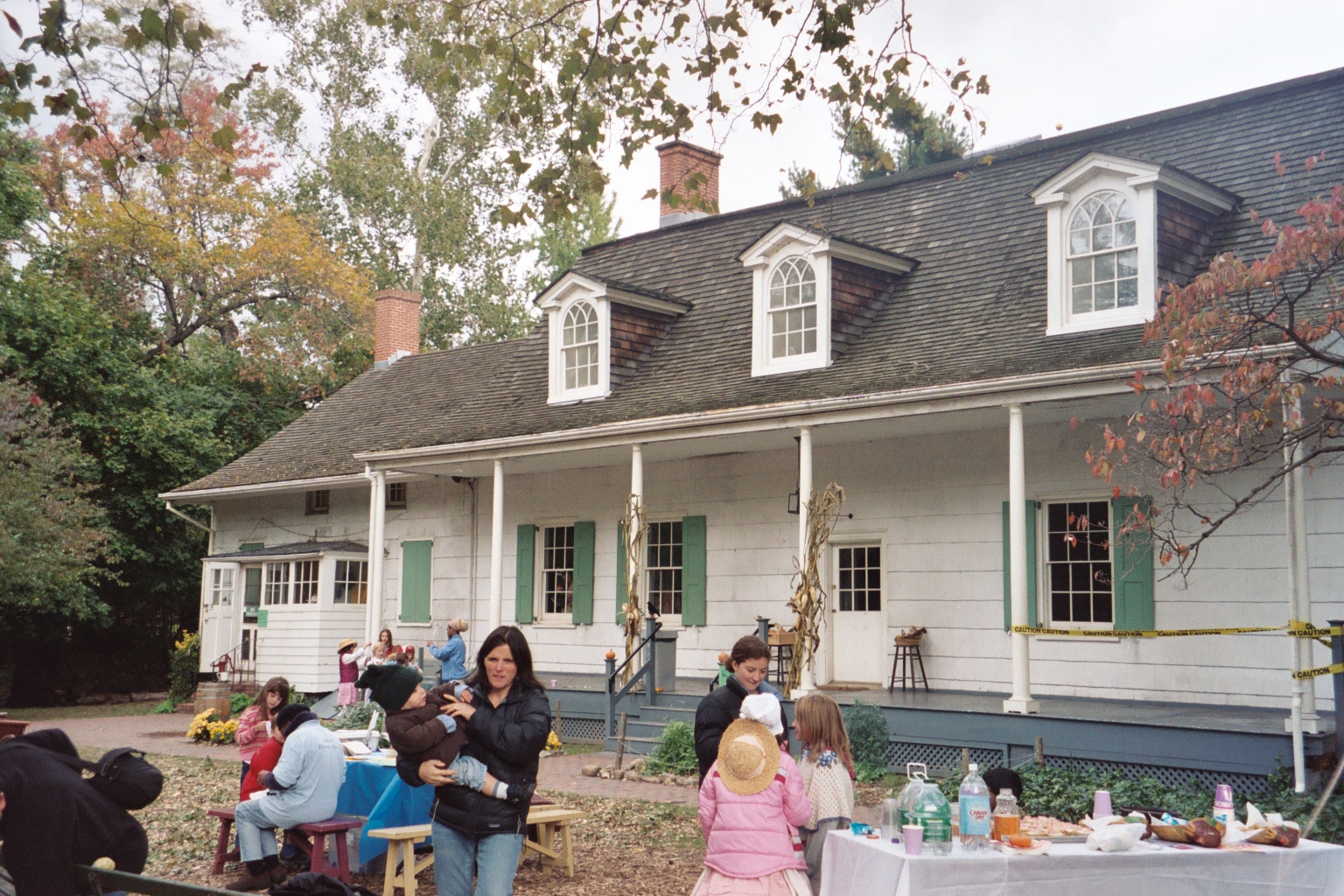
Prospect Lefferts Gardens began as a Lefferts family farm and became a planned neighborhood of brick homes and tree-lined streets.
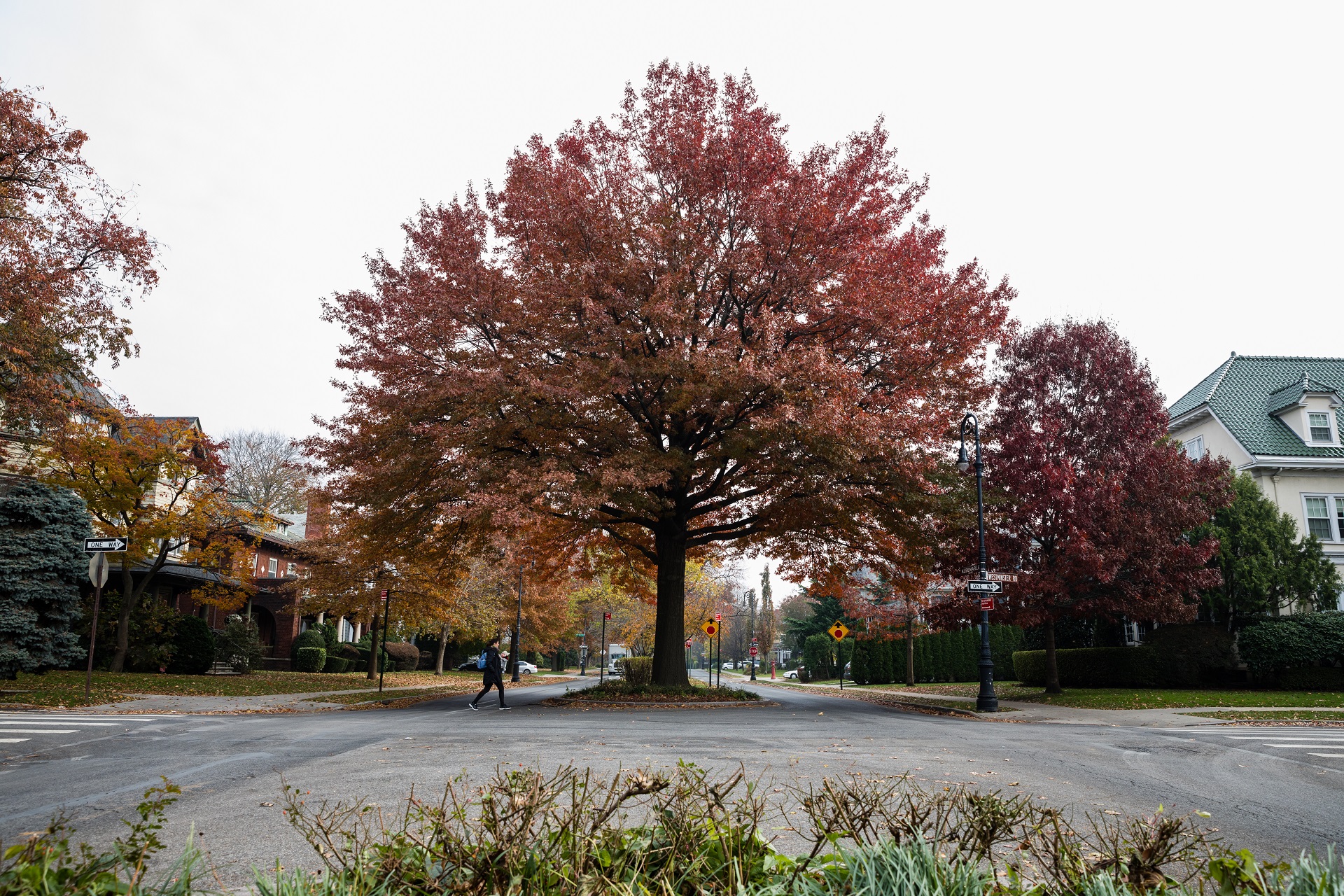
Prospect Park South was developed in 1899 as a suburban-style enclave with freestanding homes, now the heart of Victorian Flatbush.
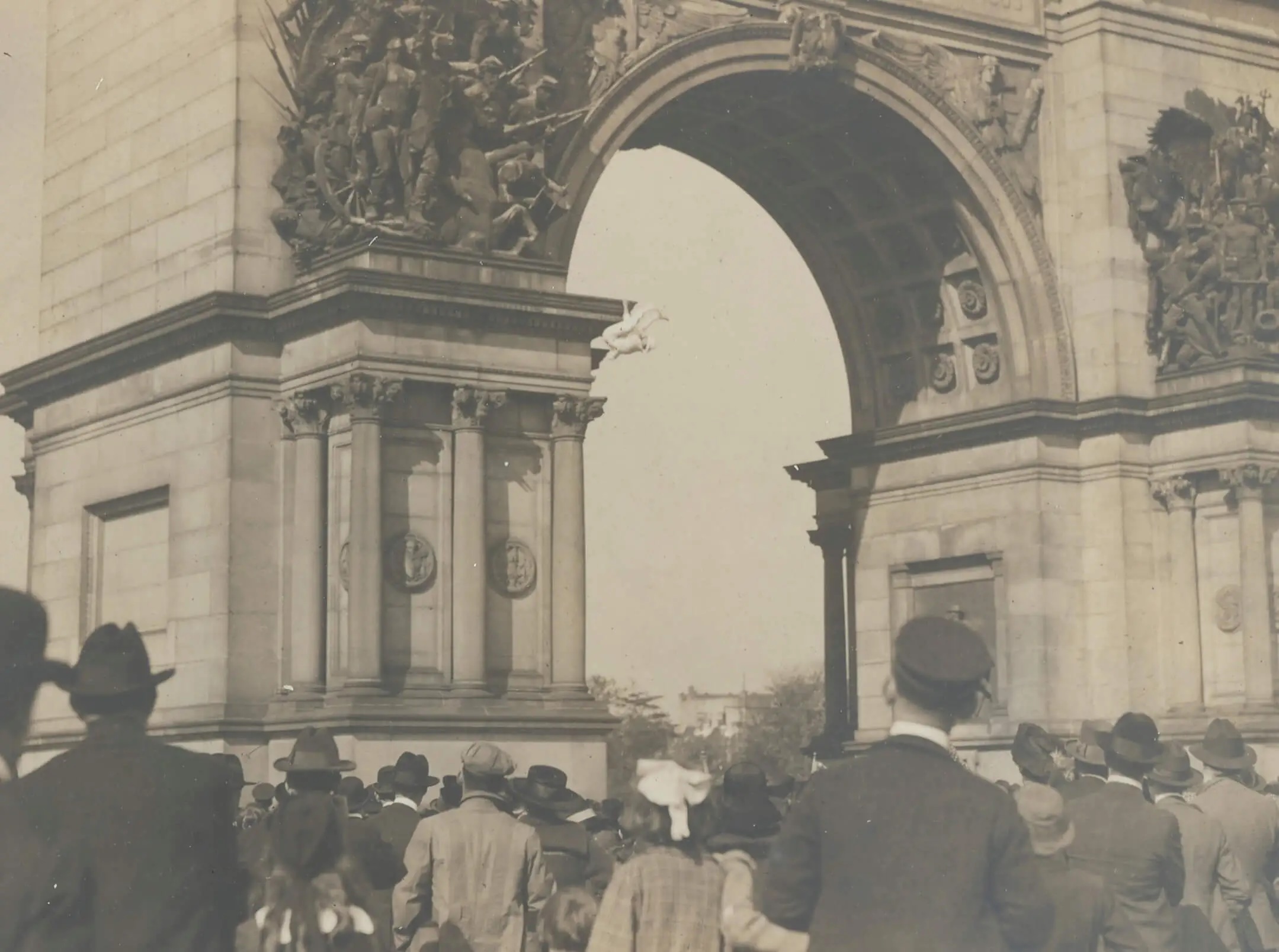
Prospect Heights grew after Prospect Park opened in 1873 and is now home to cultural landmarks and major new developments.
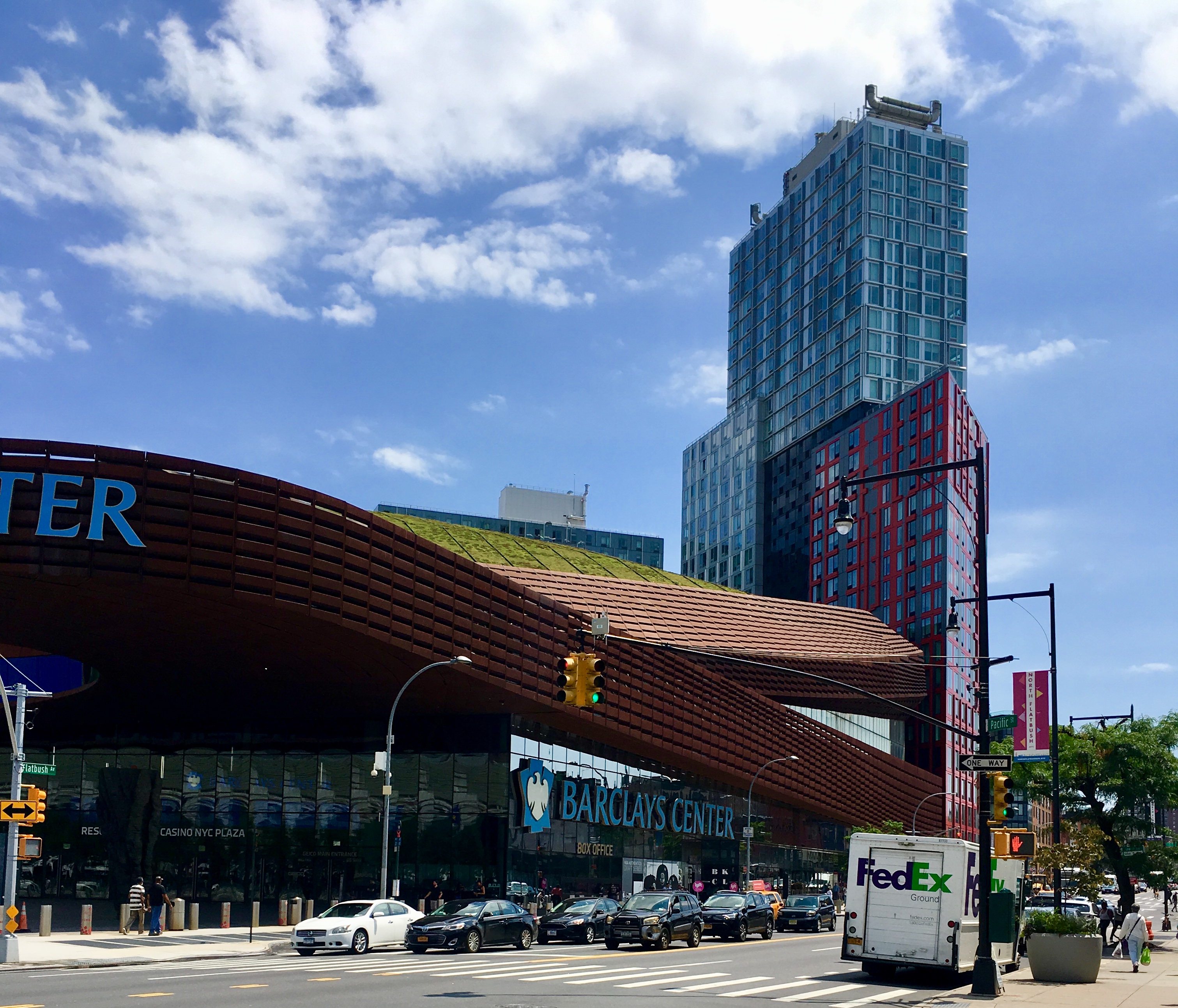
Atlantic Yards, now Pacific Park, began in 2003 and includes Barclays Center and plans for 17 towers in Prospect Heights.
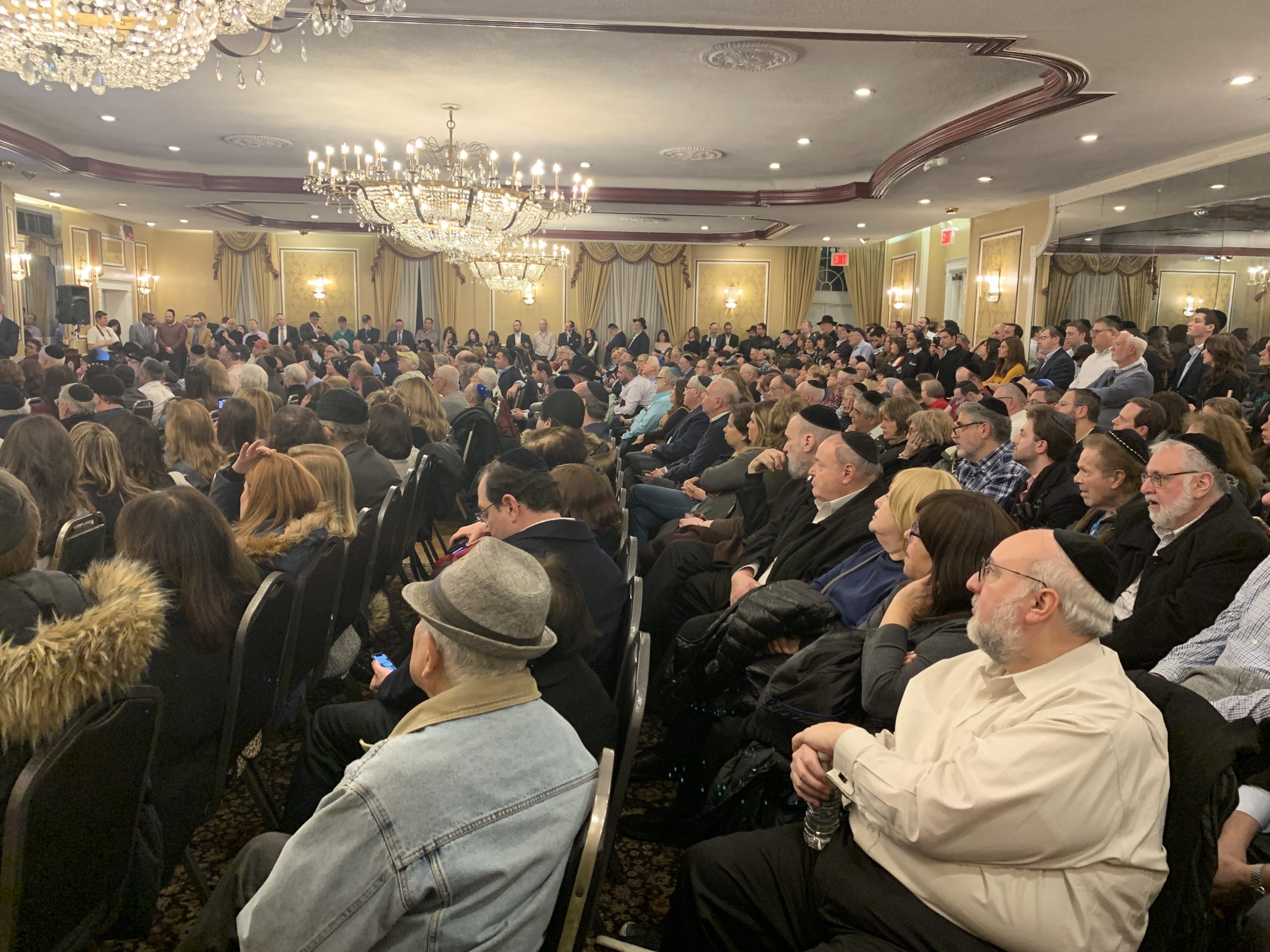
Midwood grew from wooded farmland to a film hub, later becoming a thriving Orthodox Jewish community shaped by transit and tradition.
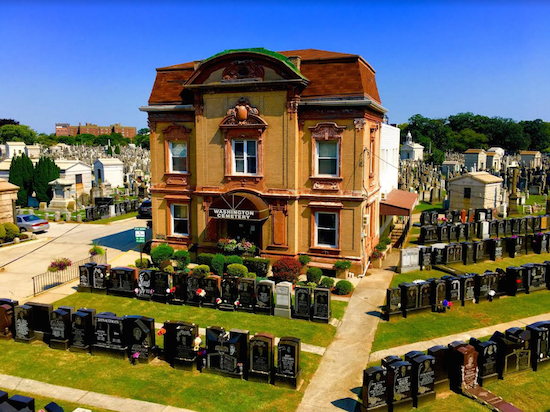
Mapleton, developed in the 1910s, is now a sub-neighborhood of Borough Park, home to a library branch and a major Jewish cemetery.
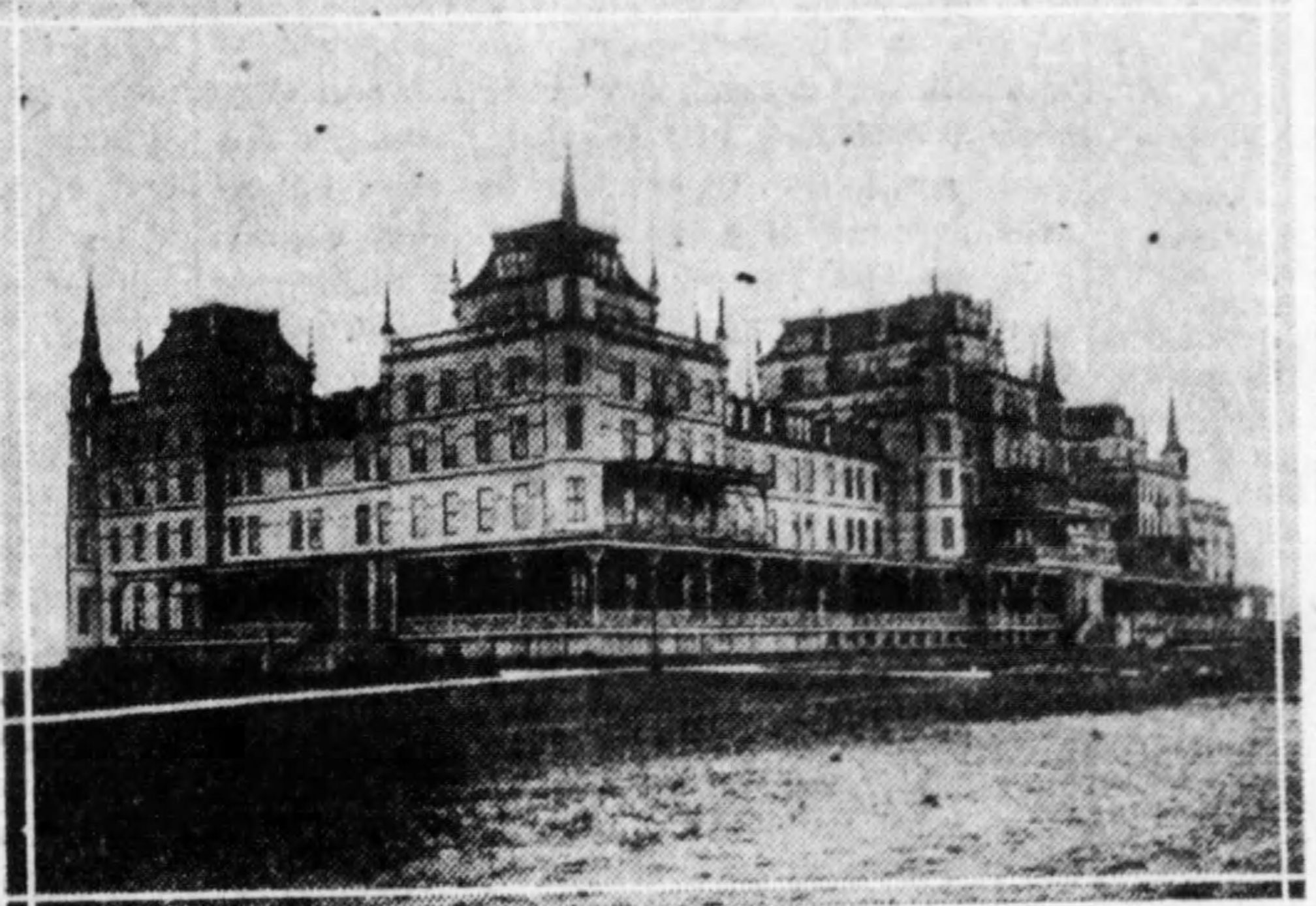
Manhattan Beach evolved from a 19th-century resort for the rich into a quiet Brooklyn neighborhood with modern homes and ocean views.

Greenpoint, once a shipbuilding and industrial hub, is now a vibrant mix of immigrant roots and hipster culture along the East River.
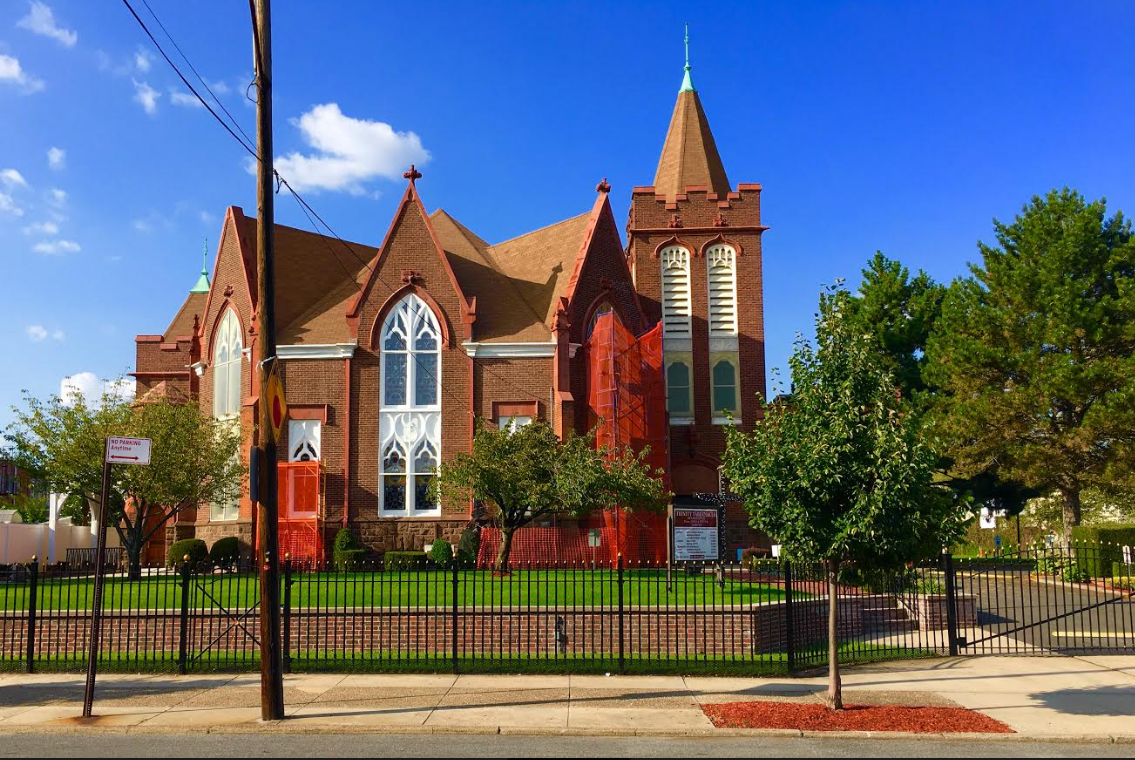
Founded by Lady Moody in 1645, Gravesend became a haven for dissenters and later grew into a vibrant Italian American community.
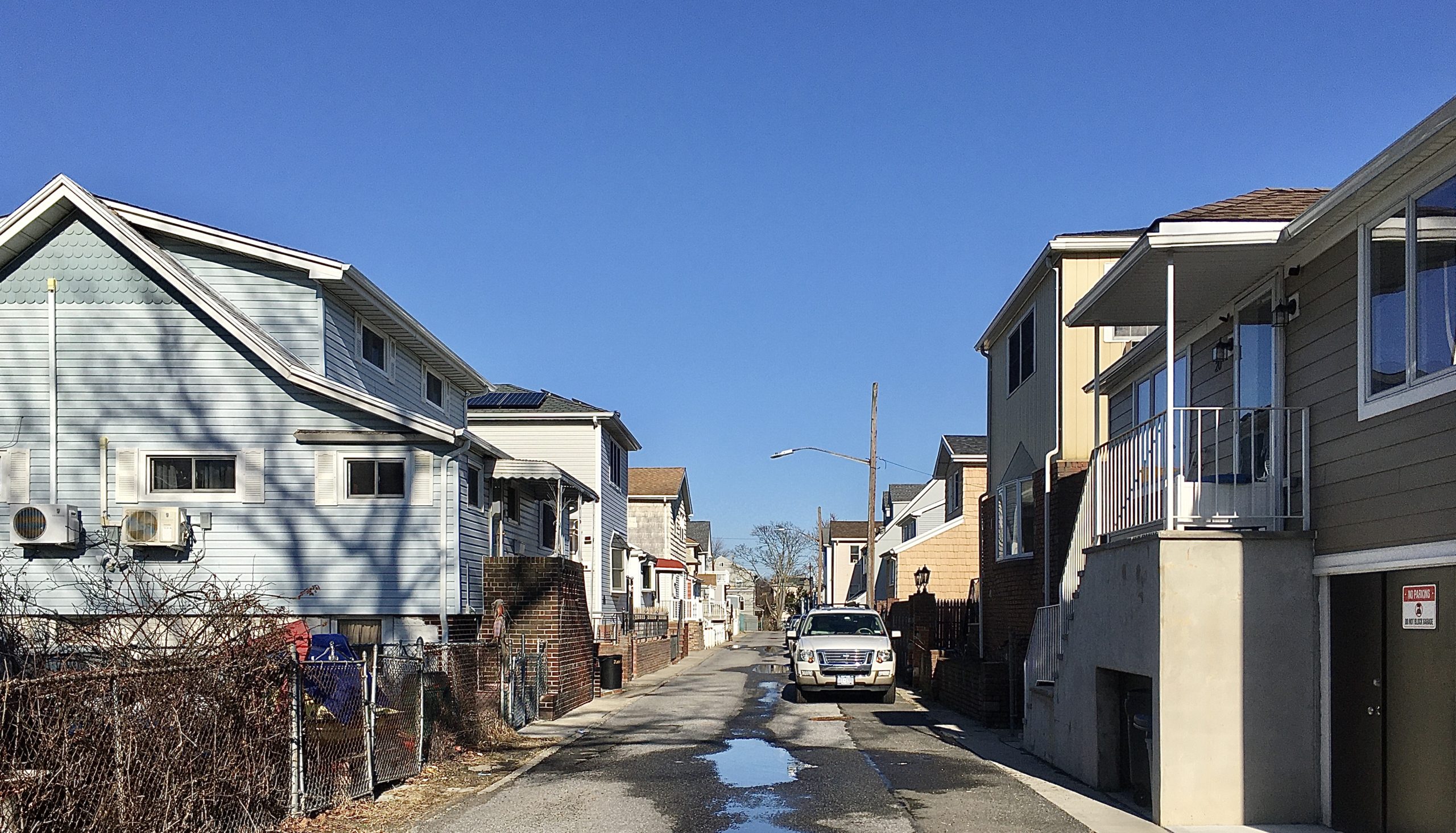
Gerritsen Beach grew from 17th-century Dutch roots to a thriving neighborhood with over 1,500 homes by the 1930s.
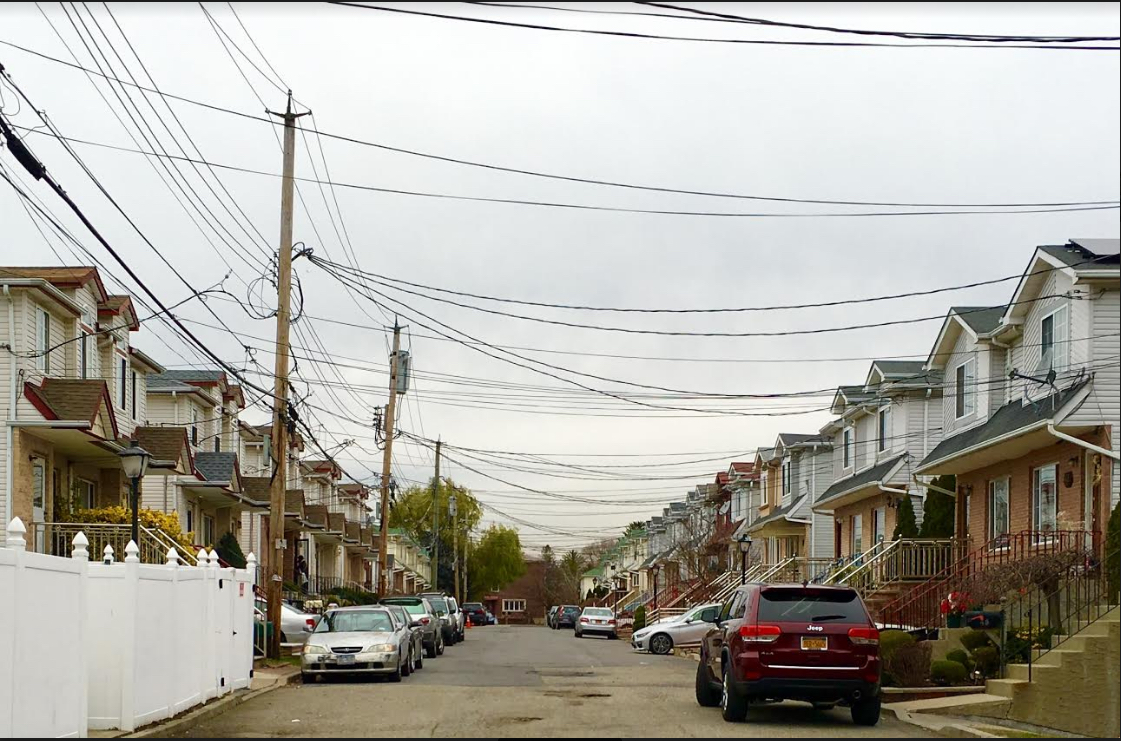
Georgetown in Bergen Beach saw slowed growth after a housing plan clash, but today it’s a mostly Italian and Jewish residential area.
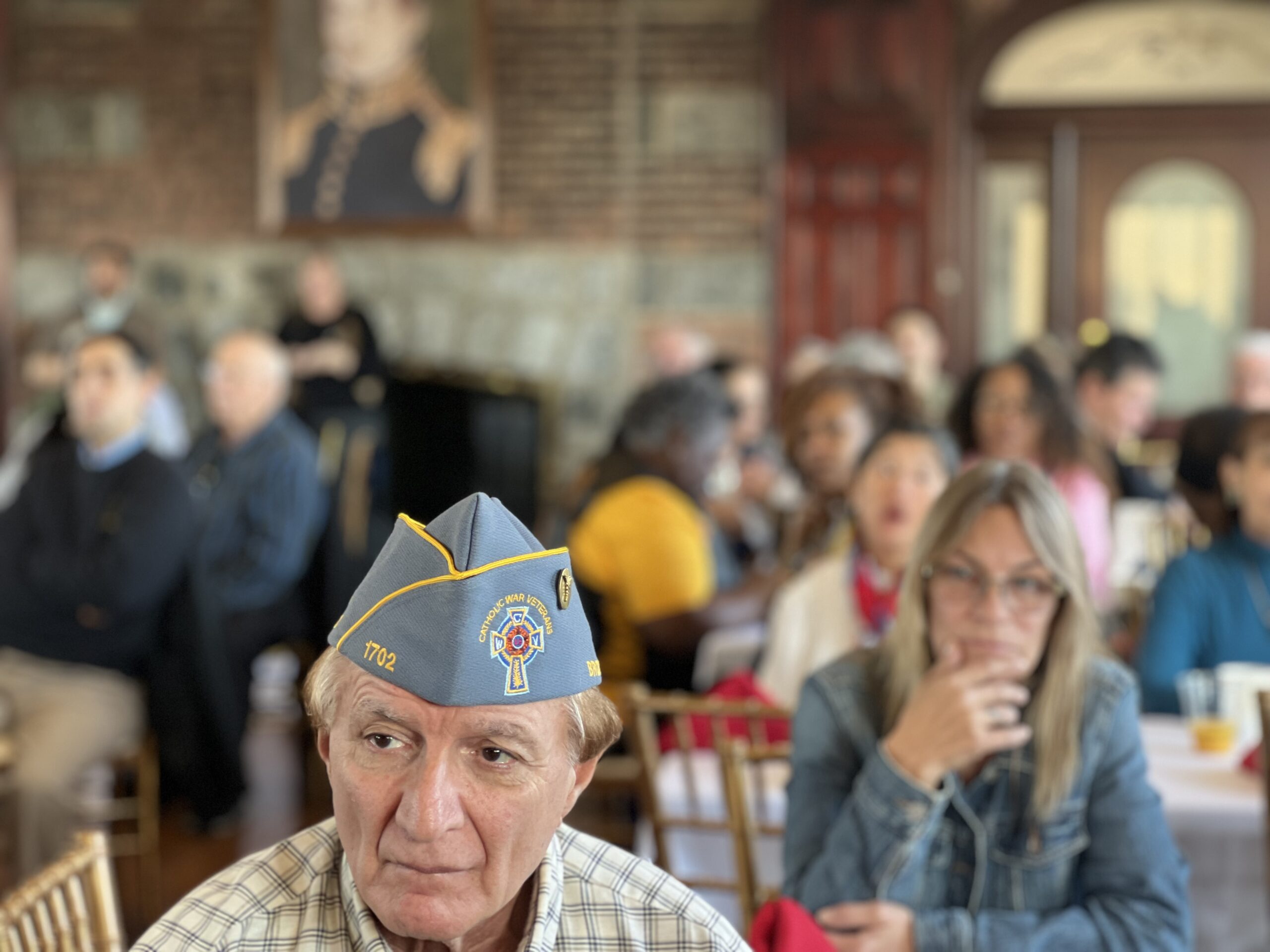
Fort Hamilton, built 1825–31, is the nation’s second oldest active fort, vital in the Civil War, draft riots and both World Wars.
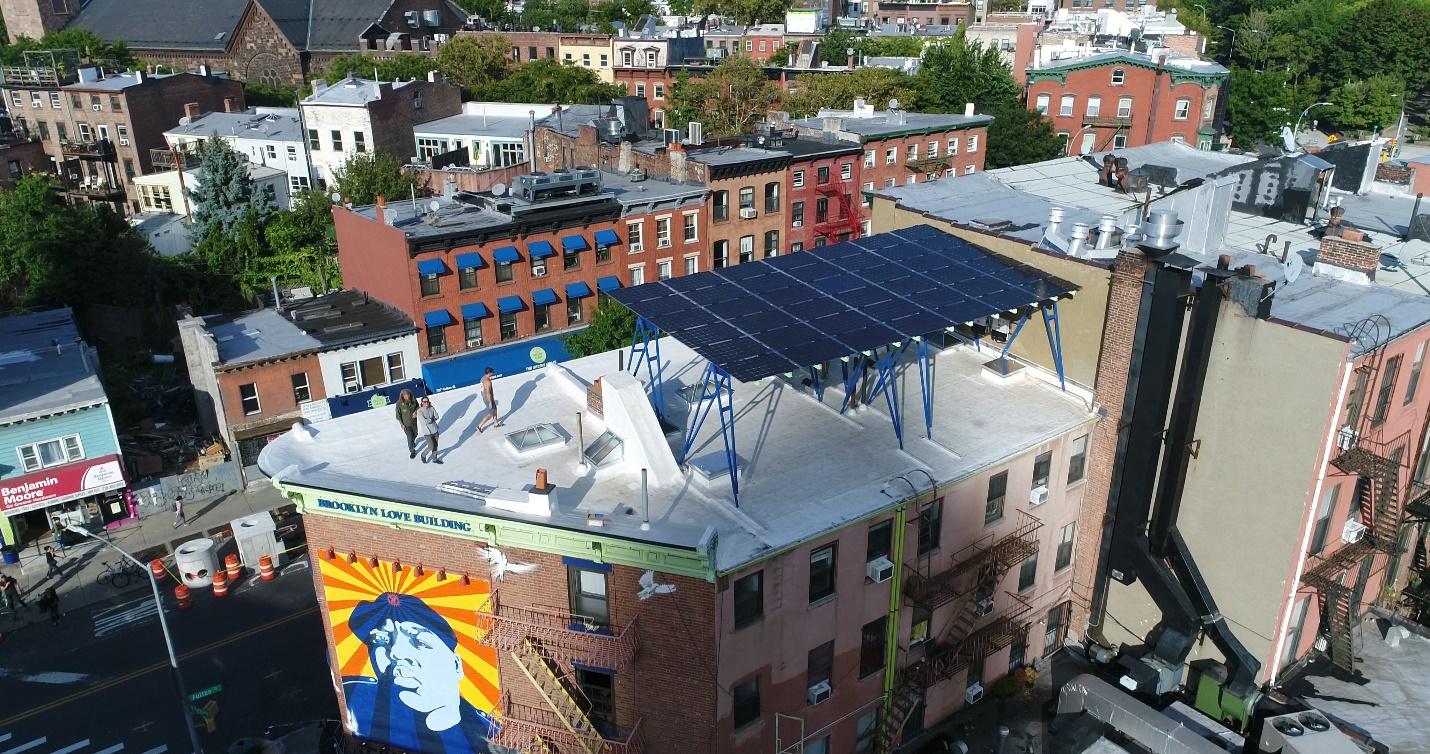
Fort Greene’s legacy includes Black shipbuilders, wartime housing and Revolutionary history, with a community that rebuilt in the 1970s.

Flatlands, once marshland and farmland, grew into a residential hub after streetcars and cars connected it to the rest of Brooklyn.
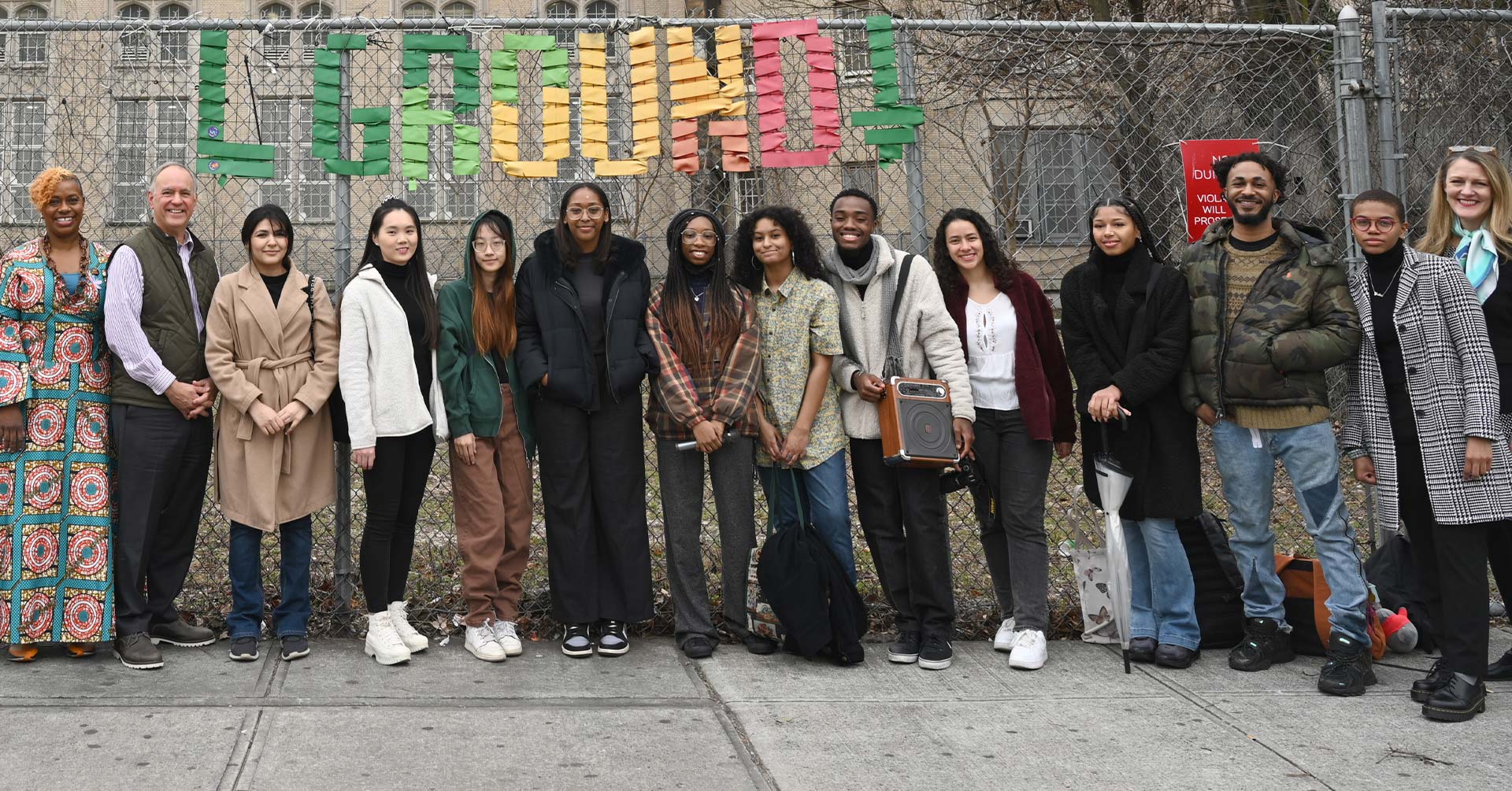
Flatbush was acquired by the Dutch twice and later grew into a diverse Brooklyn hub shaped by immigration and urban development.
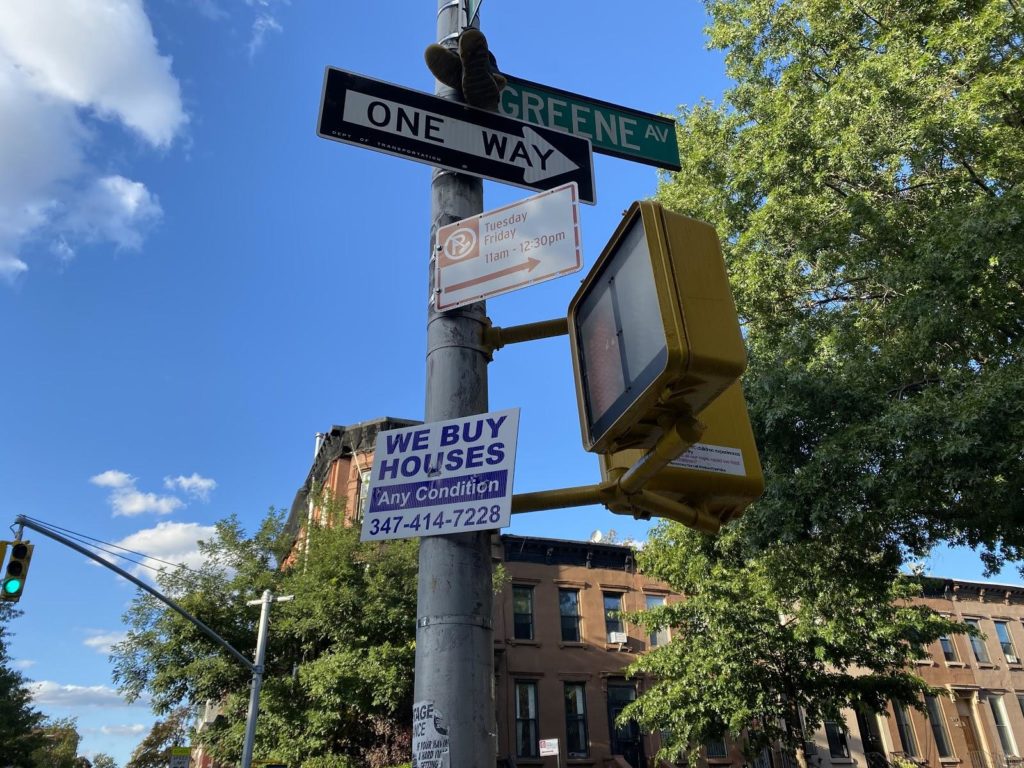
East Flatbush, once farmland, became a diverse community shaped by migration, unity efforts and evolving neighborhood identities.

Dyker Heights, founded in the 1600s, grew into a family-focused neighborhood of low-rise homes and mansions across generations.

DUMBO, once an industrial hub, became a haven for artists in the 1970s and now thrives with lofts, cobblestones, and ongoing growth.

Downtown Brooklyn, once Dutch farmland, grew with ferries and the Brooklyn Bridge, and was reshaped by rezoning and high-rise growth.
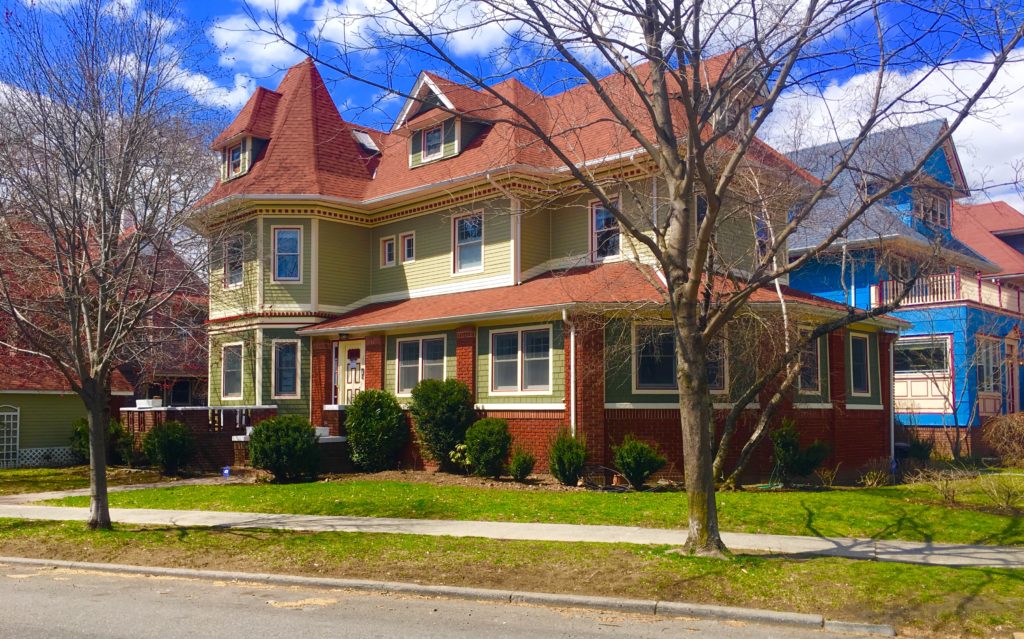
Ditmas Park, a Flatbush enclave founded in 1902, was fully planned before homes were built and is now a historic district.
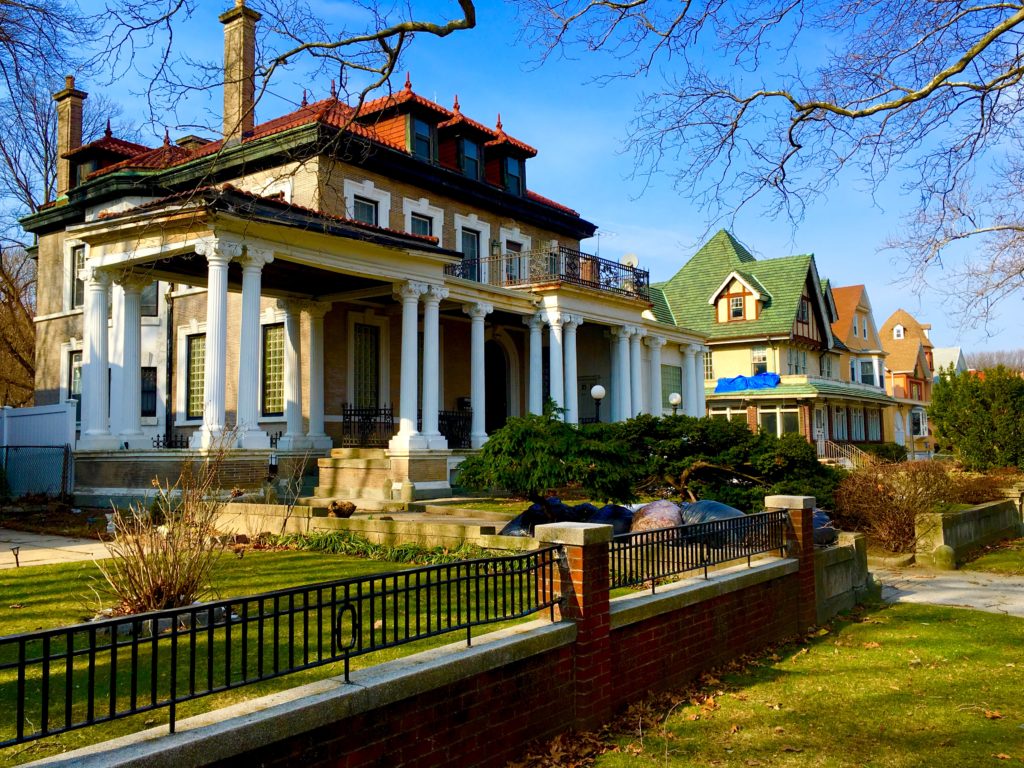
Cypress Hills, once farmland worked by slaves, grew into a suburban neighborhood after rail and road expansion in the 1800s and 1900s.

Crown Heights evolved from Dutch farmland to a diverse community shaped by Caribbean immigrants and grassroots unity after 1991 unrest.
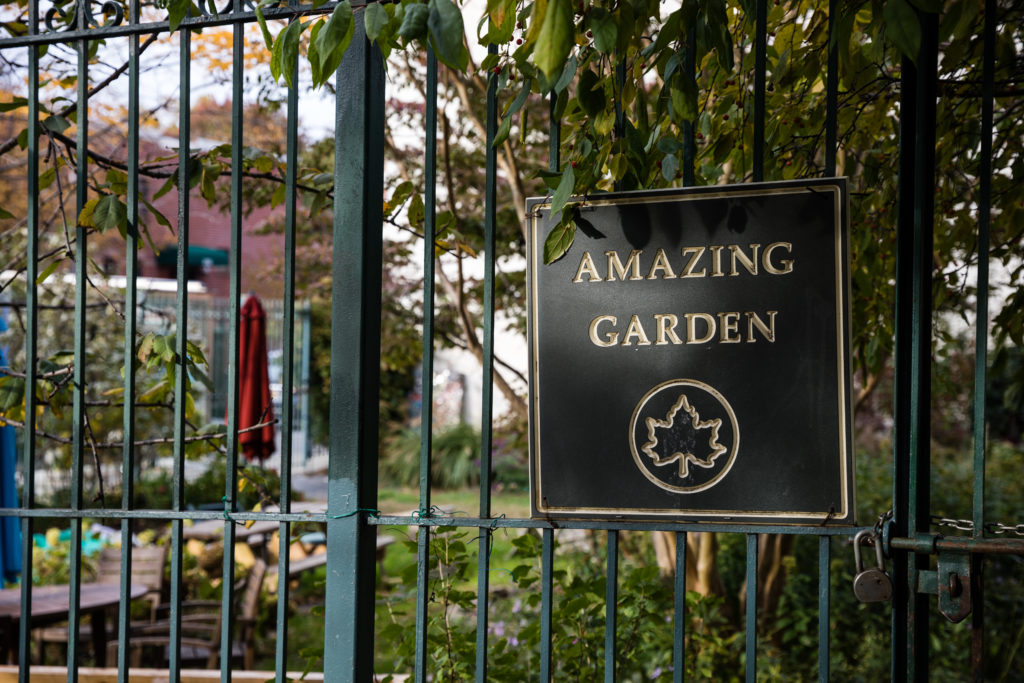
Clinton Hill, once a retreat for wealthy industrialists, evolved from mansions to apartments and was named a historic district in 1981.
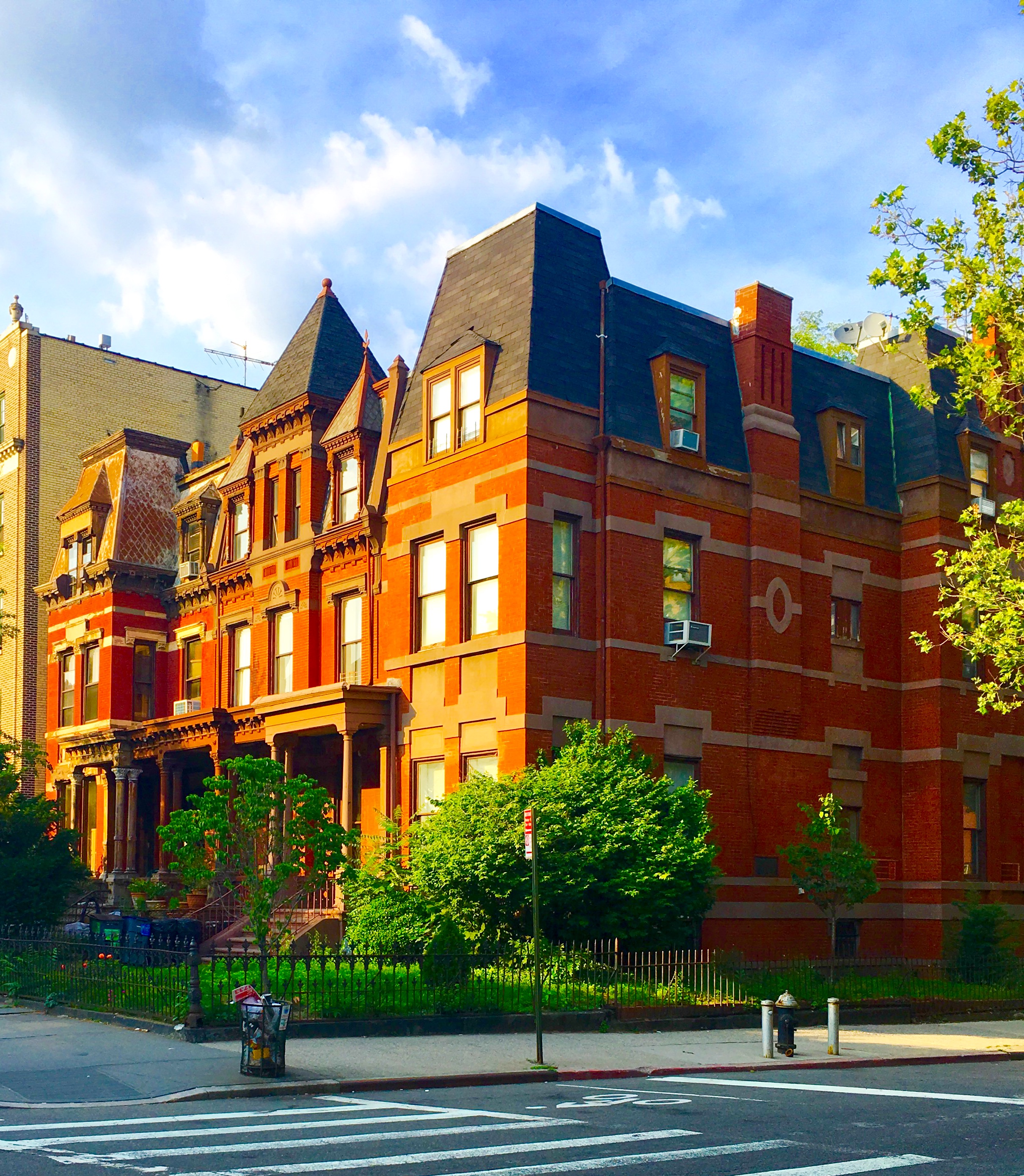
Clinton Hill, once a retreat for wealthy industrialists, evolved from mansions to apartments and was named a historic district in 1981.
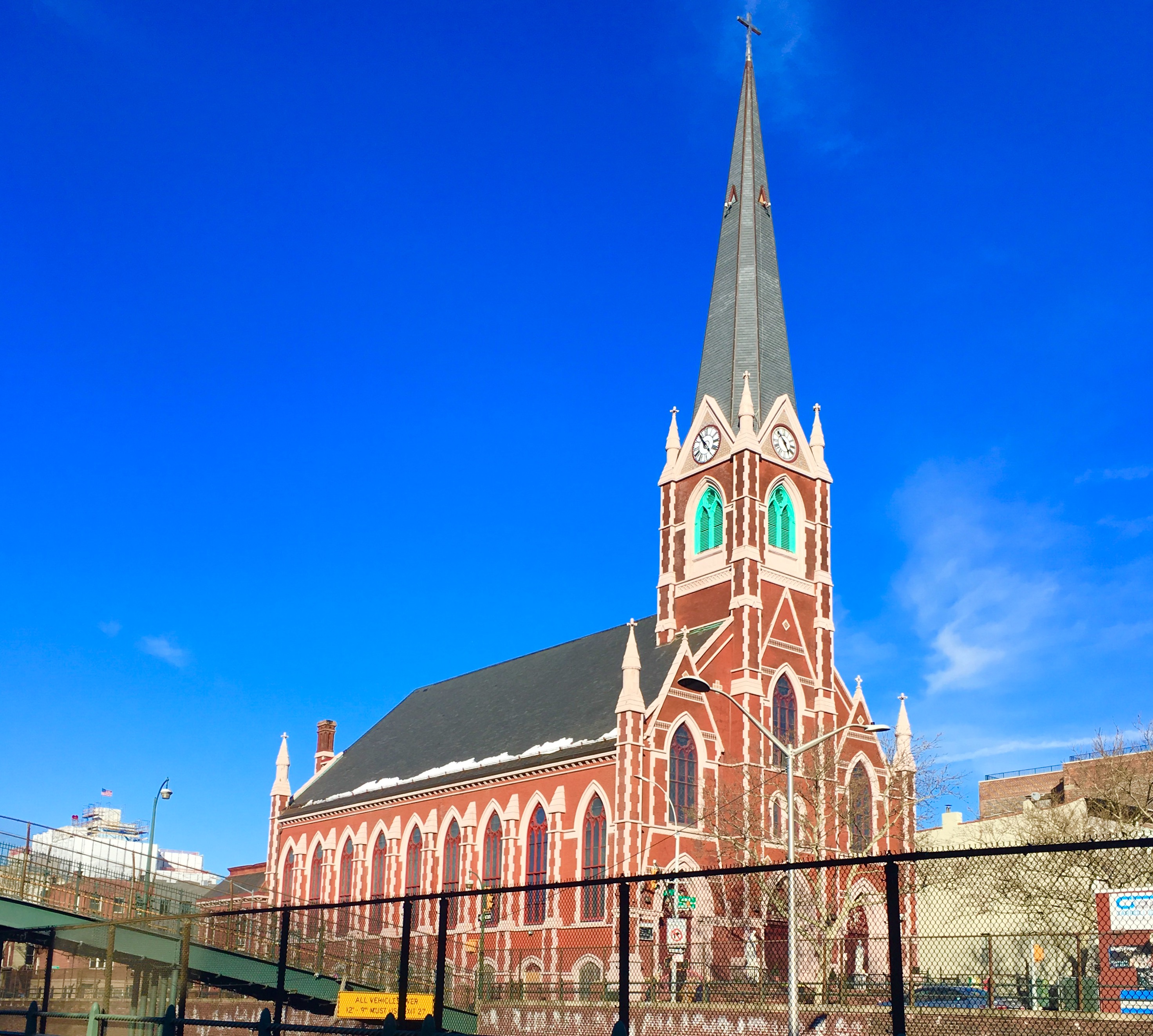
Carroll Gardens, settled first by Irish then Italians, was renamed to preserve community amid change after the 1957 BQE divided the area.
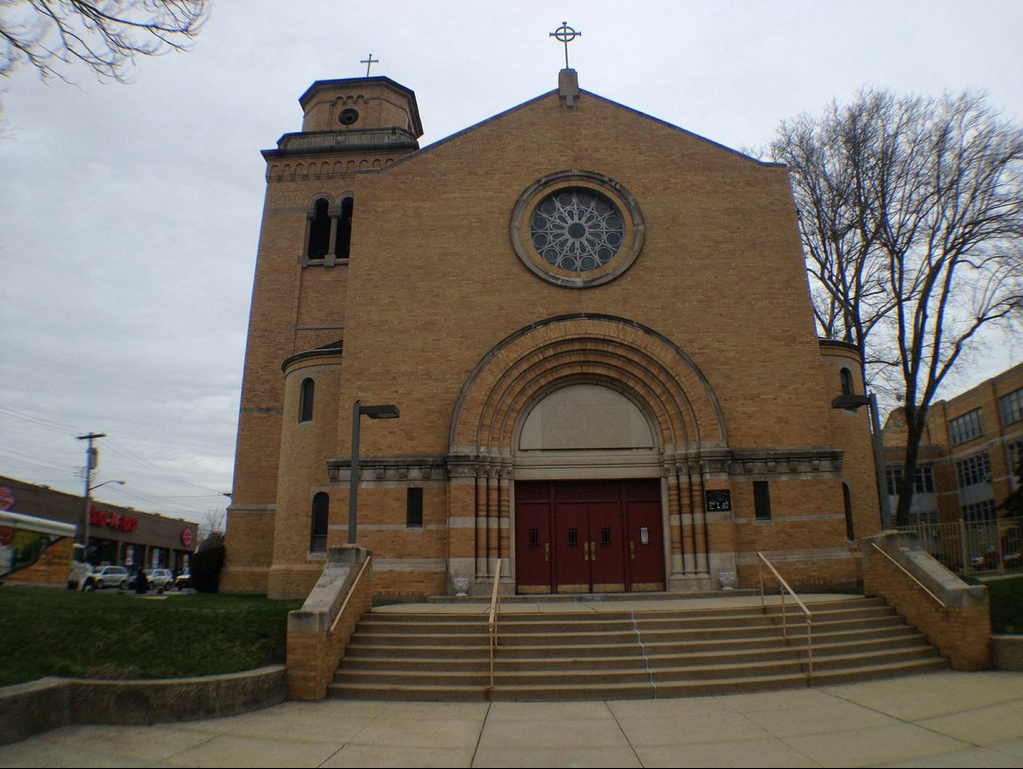
Once a beach resort, Canarsie grew into a suburban hub; after setbacks, it became a diverse, Caribbean-influenced neighborhood.