The early inhabitants of what is today Brooklyn Heights included the Canarsee people and Dutch farmers, who settled in the area in the mid-1600s.
The neighborhood played a pivotal role in the Revolutionary War by housing George Washington’s headquarters and providing a location for American soldiers to slip across the East River after the British invasion.
It wasn’t until Robert Fulton then launched the first steam-powered ferry service in 1814 that Brooklyn Heights faced tremendous development.
Fulton’s ferry brought residents home over the East River in less than 15 minutes to “Manhattan’s bedroom.” Two years later, Brooklyn Heights’ streets were planned and laid out.
The area was advertised as the “nearest country retreat” for the Manhattan businessman, and recognizing the opportunity, landowners like John Hicks, Jacob Middagh Hicks, John Middagh, Henry Remsen and Teunis Joralemon divided and sold their farms and the standard 25 by 100 foot Brooklyn Heights lots were born.
Residential construction quickened in the 1820s and continued until the turn of the century, beginning at the northern side of the neighborhood.
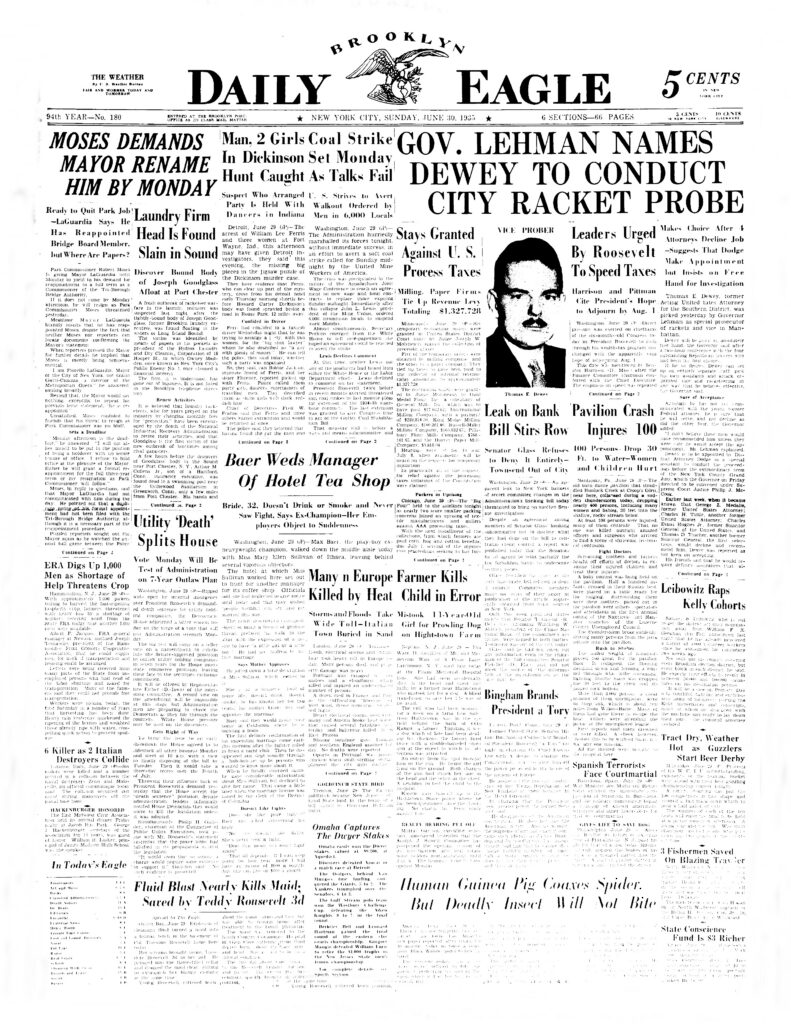
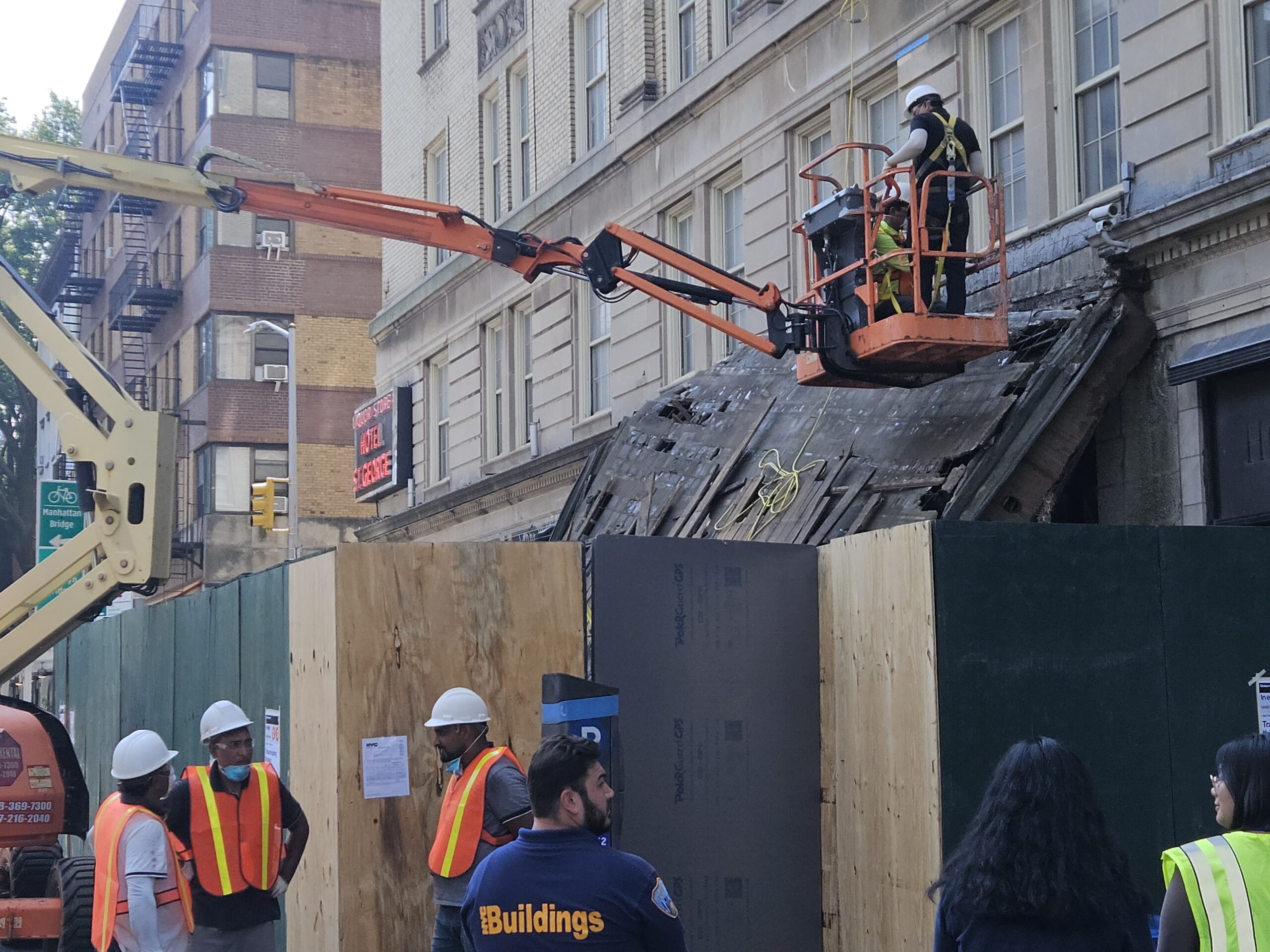
After the Brooklyn Bridge opened in 1883 and the Interborough Rapid Transit Company arrived in Brooklyn in 1908, the elegant neighborhood could no longer remain a retreat for wealthy commuters, and upper-class residents moved out. Their mansions and row houses were divided into apartments and boarding houses, and several hotels were built, including the St. George, once the largest hotel in New York City.
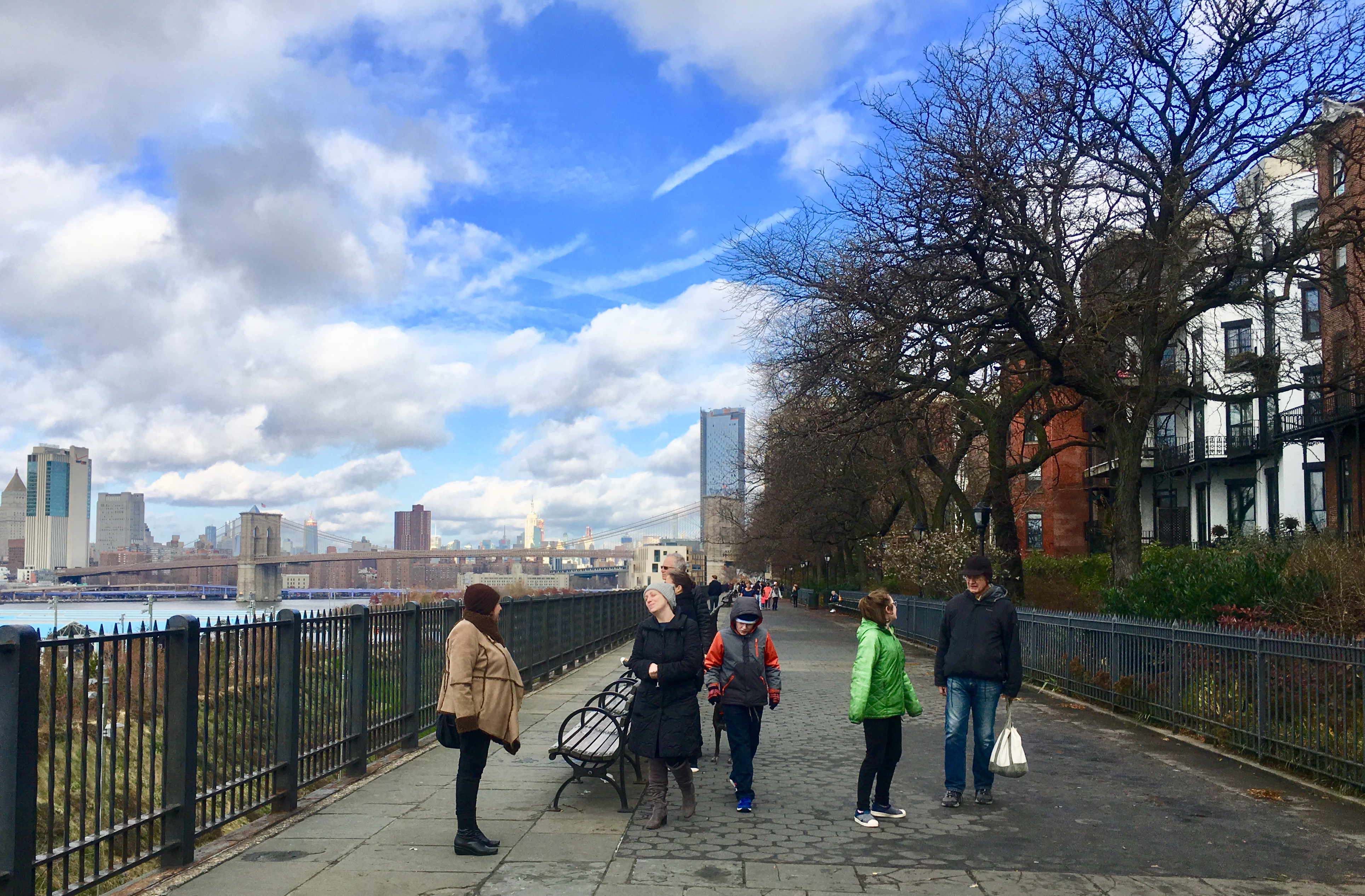
The completion of the Brooklyn-Queens Expressway then changed Brooklyn Heights forever. Whole sections of brownstone row houses were demolished for its construction, but the Brooklyn Heights Association, one of the country’s oldest civic associations, pushed for the construction of the now internationally popular promenade.
In 1965, Brooklyn Heights became the first New York City neighborhood to be designated as both a New York City historic district and a national landmark.