B’klyn offshore tanker, synagogue and brewery nominated for historic status
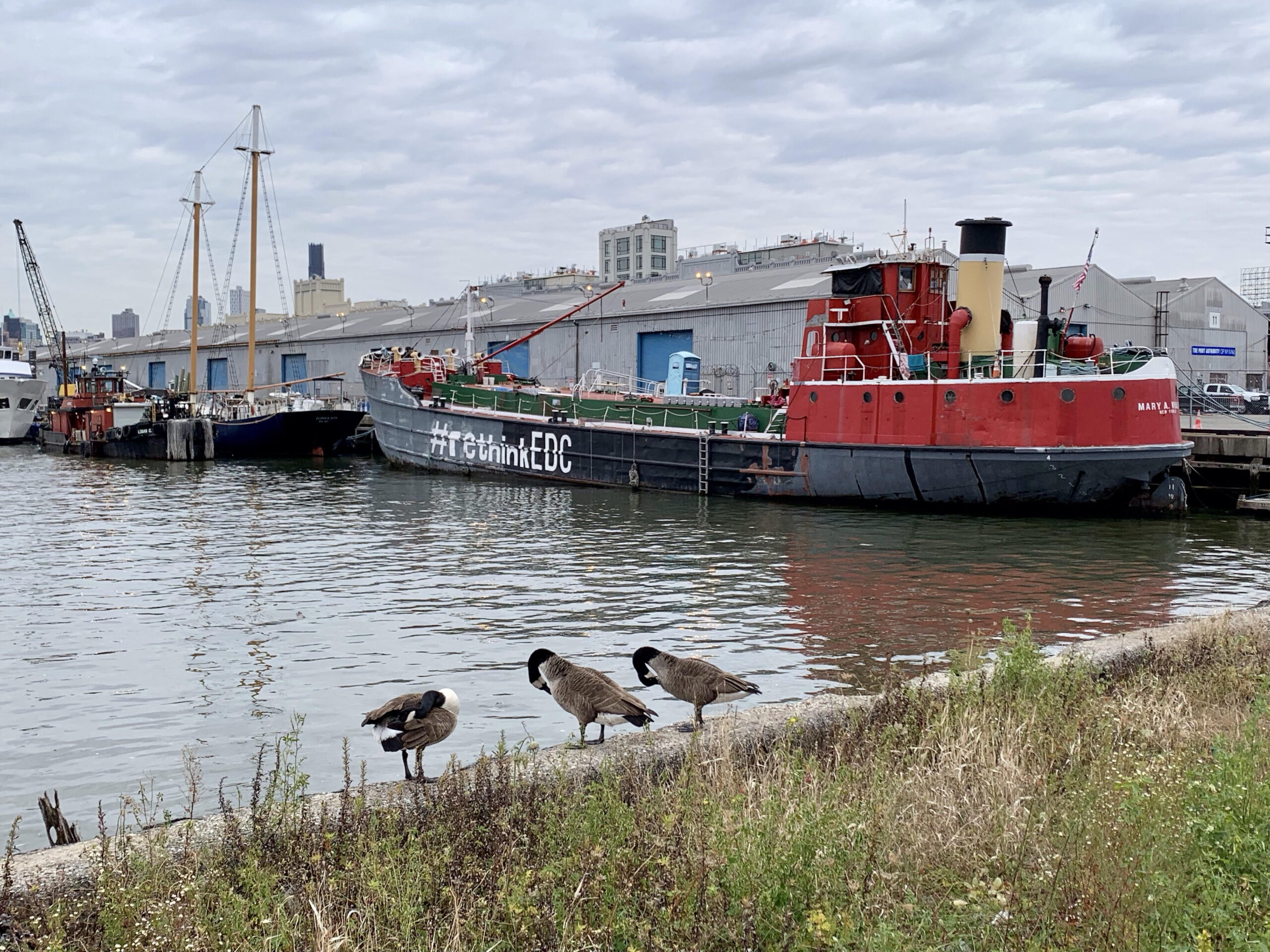
The Mary Whalen, a 1930s-era former oil tanker that is now being restored and that hosts cultural and educational programs. Photo: Mary Frost/Brooklyn Eagle
Gov. Kathy Hochul on Friday announced the New York State Board for Historic Preservation’s recommendations to add 36 properties to the State and National Register of Historic Places — three of them within Brooklyn.
“These nominations reflect generations of community building, planning, and activities that give us a glimpse into our collective past as New Yorkers,” Governor Hochul said. “Identifying these resources and adding them to our historic register expands our ongoing understanding of our shared history and are important reminders of the innovation, passion, and lived experiences of New Yorkers who came before us.”
The Brooklyn locations recommended by the governor are the tanker Mary A. Whalen, docket at Red Hook; the former Talmud Torah Atereth Israel in Cypress Hills-East New York and the former William Ulmer Brewery Complex in Bushwick.
The best known of these three properties is the tanker Mary A. Whalen, formerly the S.T. Kiddoo, a rare example of an early 20th-century steel coastal oil tanker. The tanker, built in 1938, “retains the original configuration, original alternating strake shelf plating, original direct reversible diesel power plant, and a rare surviving `bell boat’ arrangement supplementing the telegraph for wheelhouse-to-engine room communications.” The ship was active at least until the late 1960s, when it ran aground off the Rockaways. A Coast Guard light was out, and its owners blamed the Coast Guard, sparking a well-known legal case.
Nowadays, the Mary A. Whalen is the headquarters for the organization Portside New York, which is restoring the ship. Portside also gives tours of the ship and presents educational programs and cultural events there. It has already been named to the National Register of Historic Places.
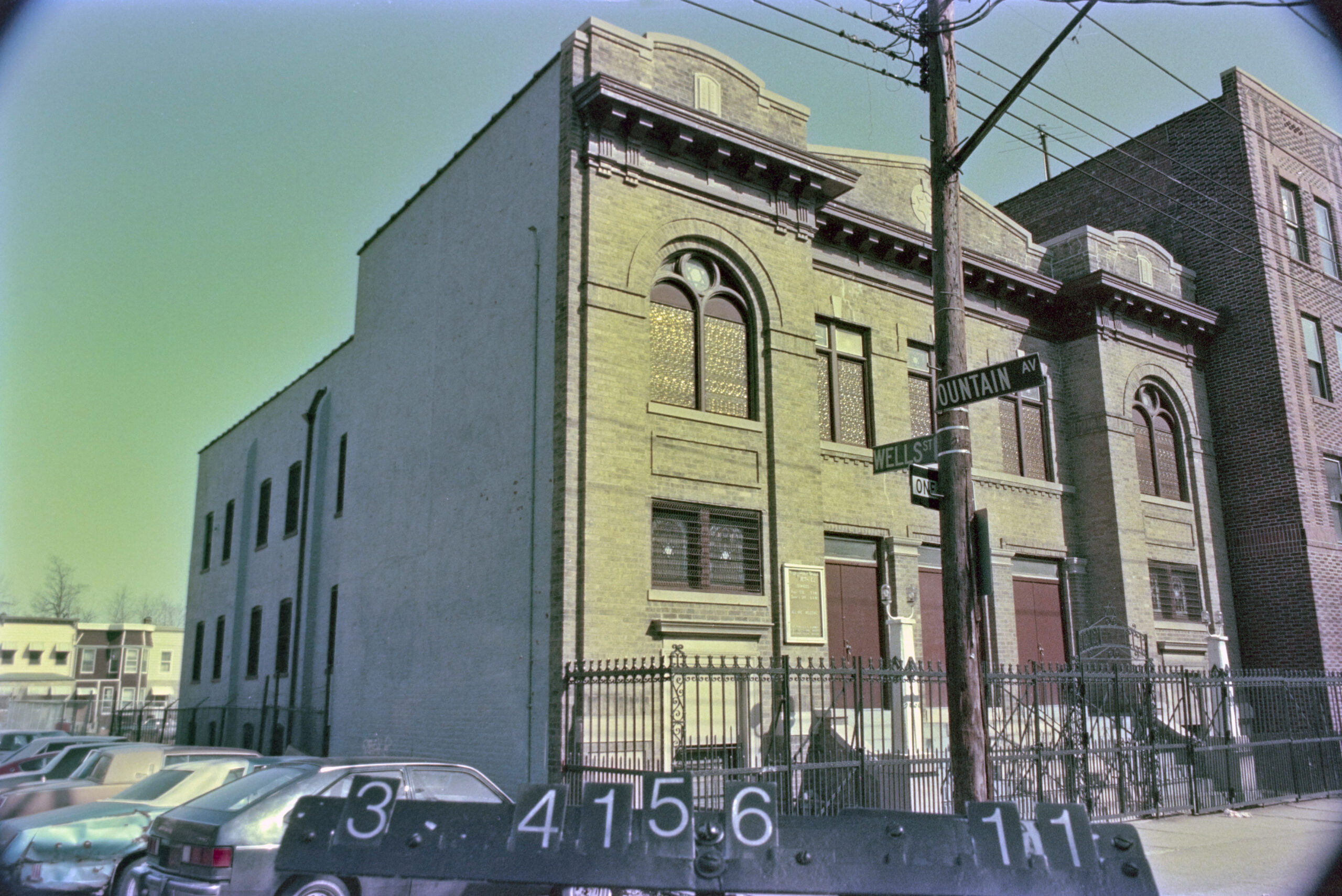
Talmud Torah Atereth Israel on Fountain Avenue, at one time an Eastern European Orthodox Jewish religious institution, is now home to an African American Jewish congregation known as the Ninth Tabernacle Beth El. Built in 1923, it was designed by architect William Winters. A “Talmud Torah” was an afternoon Hebrew school serving Jewish kids who went to public school during most of the day. The Black Hebrew congregation, which was displaced from its earlier home in Bedford-Stuyvesant, bought the building in 1974. Most of the original religious fixtures, such as a large Star of David and a set of stained glass windows, remain intact.
The former Atereth Israel Talmud Torah in Cypress Hills-East New York, now the home of the Ninth Tabernacle Beth El. Photo courtesy of Municipal Archives
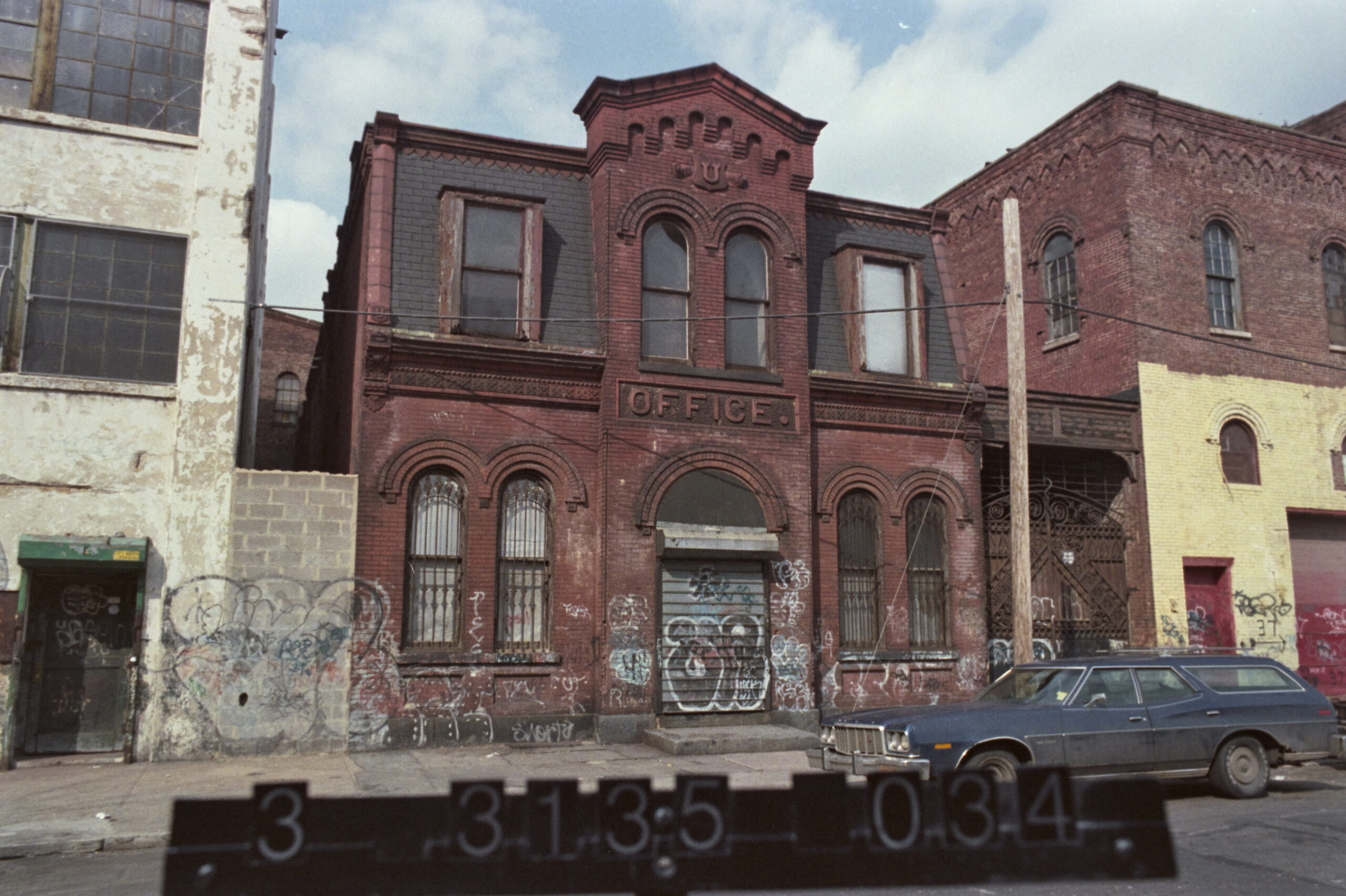
The William Ulmer Brewery Complex harkens back to the days when German immigrants established a plethora of well-known breweries in the neighborhood, the most famous of which were Schaefer (“The one beer to have when you’re having more than one”), Trommer’s (later bought by Piels, itself located in East New York), and Rheingold (“My beer is Rheingold, the dry beer”). William Ulmer was reportedly the oldest, dating to 1872. The surviving buildings, according to the state, include large cellars beneath the original main brewing and cold storage house; a cold storage house addition; spaces used for mechanical refrigerating equipment; and an office building.
The complex closed in 1920, soon after Prohibition went into effect. Unlike Trommer’s, Rheingold, Schaefer, Piels and others, Ulmer didn’t start up again after Prohibition was repealed, and the family sold the buildings. Since then, they have been used for light manufacturing, retail and residential space. The office building became a private residence.
The former office building of the William Ulmer Brewery Complex obviously hasn’t been used as an office in a while. Photo courtesy of Municipal Archives
In addition to these Brooklyn properties, several others in New York City were nominated. They include:
287 Broadway, Manhattan: Located in one of the oldest parts of New York City, it was the city’s first cast iron office building. This 1872 six-story Italianate/French Second Empire style cast-iron commercial building was designed by prolific architect John B. Snook and includes work by major cast-iron manufacturer Jackson, Burnet, & Co.
Central Harlem North Historic District: The Central Harlem North Historic District is an urban residential district approximately 10 city blocks in size in Central Harlem, featuring late 19th and early 20th century brick and stone row houses, tenements and apartment houses; as well as churches, playgrounds, retail and restaurants, a library and a school. The area, developed by the Afro-American Real Estate Company, includes the Schomburg Center for Research in Black Culture, Mother AME Zion Church and the West 135th Street YMCA.
NYCHA’s Edenwald Houses, The Bronx: The Edenwald Houses, a mid-century public housing complex in the Bronx, was built in the early 1950s to house working-class families and World War II veterans. The Edenwald houses include 40 brick buildings, ranging from three stores to 14 stories in height, clustered within green spaces. Eagle editor Raanan Geberer worked as a management assistant at Edenwald for about a year in the early 1980s.
Manhattanville Houses, New York County, were likewise built as a public housing project by the New York City Housing Authority, but a little later, between 1958 and 1961. Unlike many other New York City Housing Authority housing projects, the Manhattanville Houses was intended as housing for middle-income families and did not rely on federal funding support. Built in a modernist design, these six red brick-clad buildings are shaped like a Y and are 20 stories tall. Each building is centered around a communal balcony space clad in blue brick.
SUNSET PARK — “As a resident of Marine Park, one of the great surprises I found biking around Industry City and visiting Japan Village was to discover Bush Terminal Park. I continue to be amazed at the serene hideaways that the city offers in some of the busiest places — and, still, with an iconic view.”
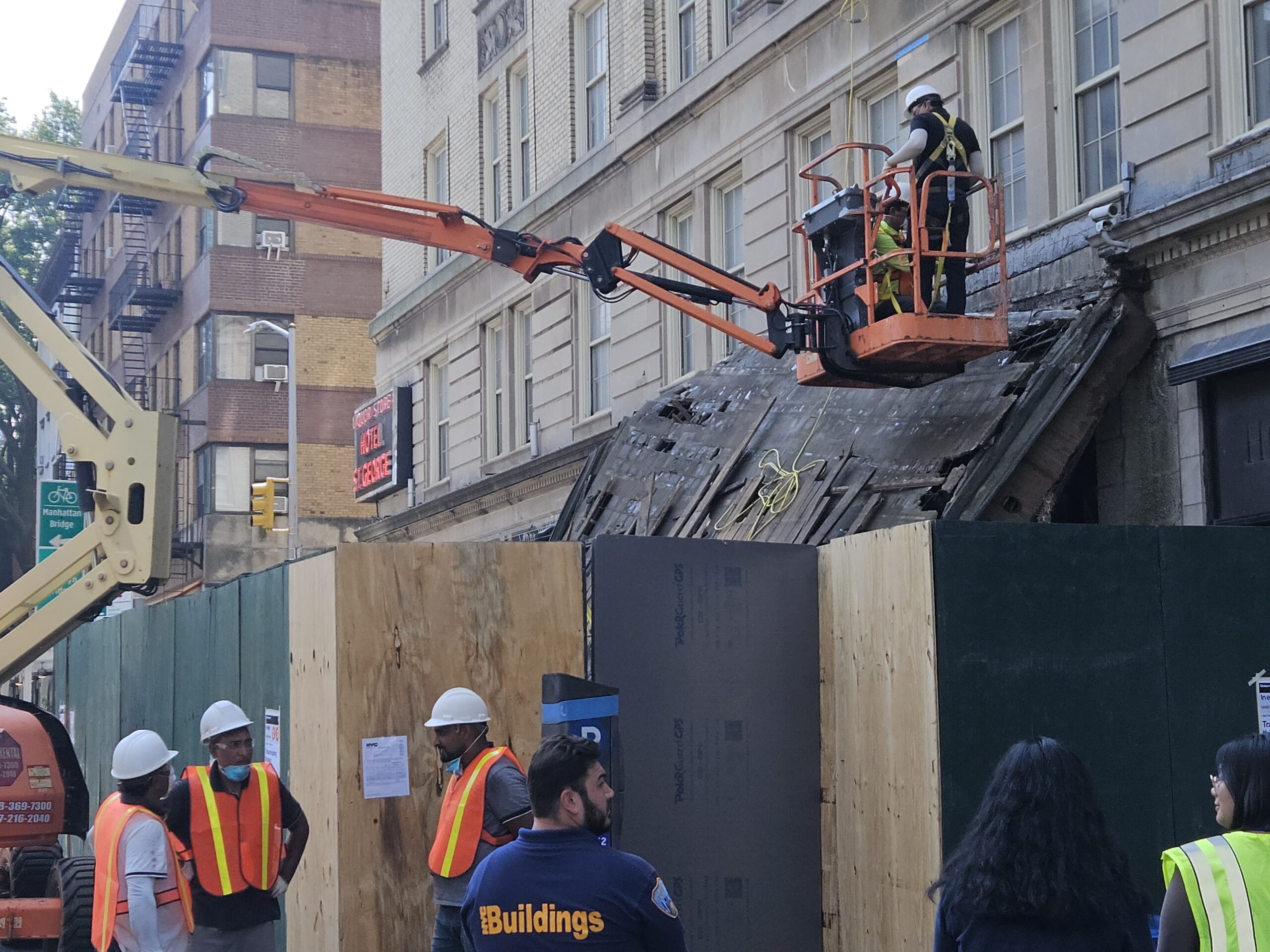
BROOKLYN HEIGHTS — ‘A miracle that no one was killed …’ That’s what neighbors are saying about the collapse of the Hotel St. George marquee. Shown in this photograph are workmen beginning the removal and repair of the historic, old neon sign at the corner, referencing a relic of Brooklyn Heights’ past: the St. George Hotel.
ATLANTIC AVENUE — Exhausted shopper with cluster of bags and goods from mall at Boerum Place stops to look at huge construction site across the street. “Is that REALLY going to be a jail??” Her male companion is reassuring, “Nothing like Rikers … this is 21st Century.”
BROOKLYN HEIGHTS — Overheard in line at one of most popular pastry outlets on Montague Street: “Hope I can get them into a camp …” A mother with two pre-schoolers in tow was showing a friend the Dodge Y flyer for Healthy Kids Day on Saturday, April 18.