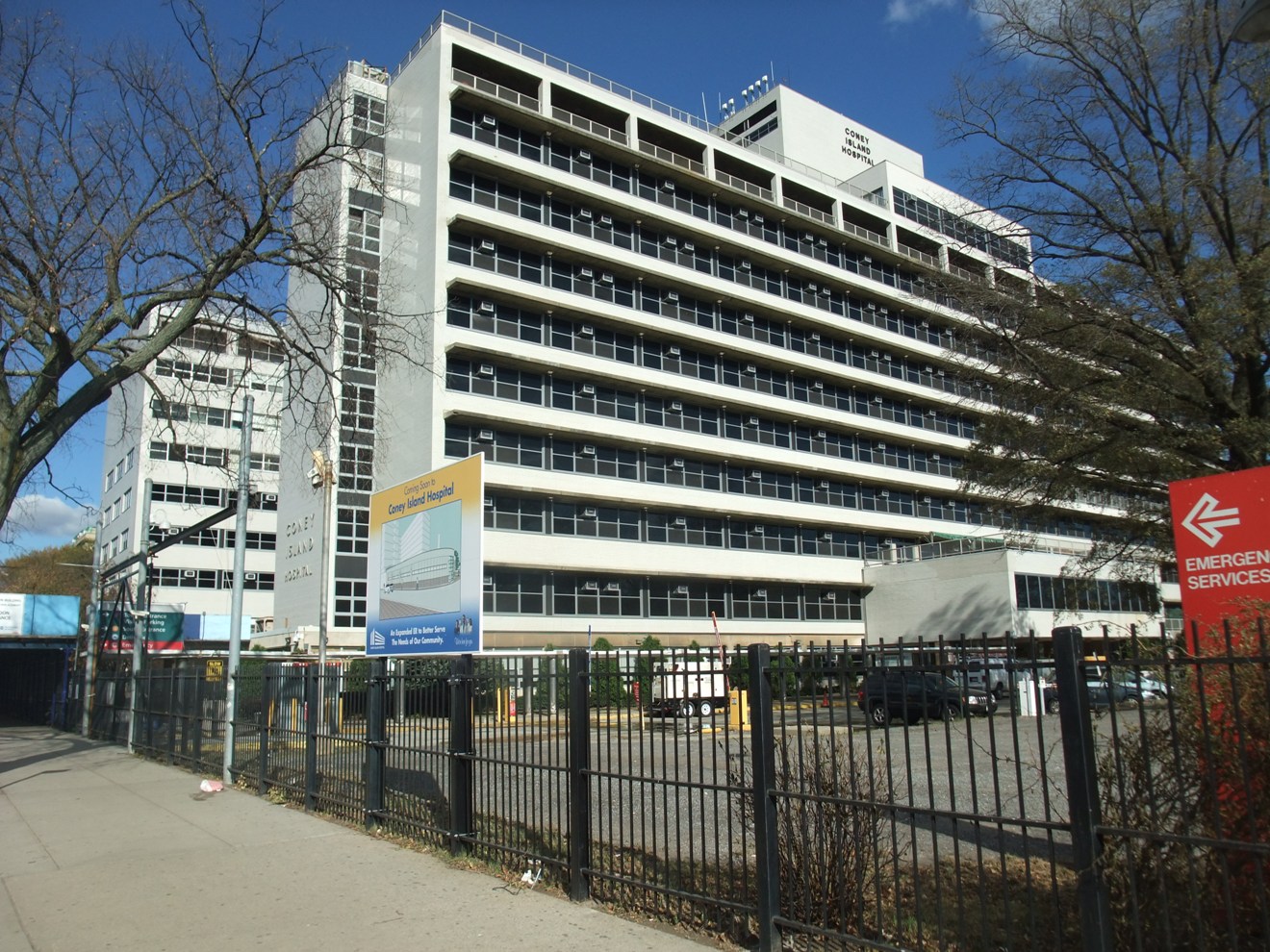
Just over two years after Superstorm Sandy pummeled East Coast communities like Coney Island, its resident hospital was given the long-awaited facelift local residents and politicians alike say it deserved.
Governor Andrew Cuomo announced, on Thursday November 13, the completion of a series of storm resiliency measures and energy efficiency upgrades at Coney Island Hospital that totaled $21 million. Those enhancements, he said, will help protect critical equipment from extreme flooding – something the facility faced during the October 2012 storm.
“Superstorm Sandy showed us the importance of proactively strengthening our infrastructure – especially our healthcare facilities – so it is more resilient to extreme weather,” said Cuomo. “These upgrades to Coney Island Hospital will enable the facility to better serve its community regardless of what Mother Nature throws at them. I am proud of the state and city’s ongoing work to build back better.”
In addition, he said, the upgrades will save Coney Island Hospital $1.5 million in annual energy cost, and reduce harmful greenhouse emissions by more than 7,000 tons each year – a bright side many are celebrating.
“The prognosis for Coney Island Hospital’s future has never looked better, aided greatly by the efforts of Governor Cuomo and the New York Power Authority to advance energy efficiency and storm resiliency at the facility,” lauded Borough President Eric Adams. “Quality healthcare is critical for our communities, and this funding will ensure that Coney Island Hospital can continue to deliver quality services to southern Brooklyn, regardless of what Mother Nature throws our way.”
The newly completed project – the result of a partnership between the New York Power Authority, the New York City Health and Hospitals Corporation and National Grid, which provided more than $300,000 in funding –was executed by Cuomo’s Build Smart NY program, a comprehensive statewide initiative created in 2012 to increase energy efficiency in public buildings.
The project’s completion – which included the finishing touches on a boiler plant, first installed before the storm – comes amidst other major resiliency upgrades to Coney Island Hospital, for which the Federal Emergency Management Agency (FEMA) recently announced it would provide more than $900 million in financial support.
“One of the lessons we learned we learned from Sandy was the need to prevent Coney Island Hospital and other medical centers from crippling and expensive damage should another big storm strike our area,” said Assemblymember Steven Cymbrowitz. “The completion of these storm resiliency measures and energy upgrades will not only ensure that residents have access to their local emergency care facility when they need it most, but will have the important added benefit of protecting our environment and reducing energy costs for Coney Island Hospital.”