Federal Building #2 in Sunset Park is officially underrenovation.
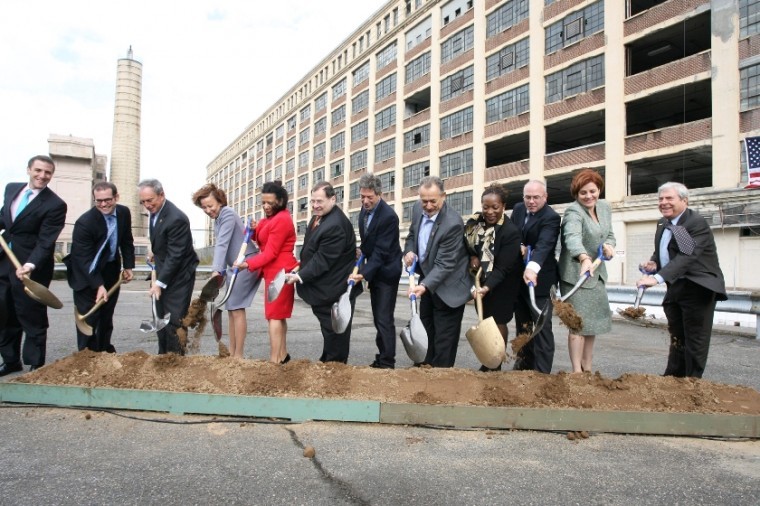
Business and elected leaders from Brooklyn and New York Citygathered on Thursday, October 20, at the waterfront site thatstretches from Second to Third Avenue and 30th to 32nd Street tobreak ground on a project to transform the existing building froman empty warehouse into a manufacturing and industrial hub.
The 1.1 million square foot building was sold by the city twomonths ago to New York-based developer Salmar Properties and isestimated to create at least 400 construction jobs and 1,300permanent jobs – which is required for the developer to receiveapproximately $37 million in sales and real estate tax exemptionsapproved by the New York City Industrial Development Agency.
The sale is considered to be just the beginning of a citywidepolicy initiative to develop industry in the boroughs, according toNew York City Economic Development Corporation (EDC) President SethPinsky.
The groundbreaking ceremony was attended by Mayor MichaelBloomberg, Council Speaker Christine Quinn, Borough President MartyMarkowitz, Congressmembers Nydia Velázquez and Jerrold Nadler, andCouncilmember Sara González. Also present were Pinsky and SalmarProperties co-owners Marvin Schein and Sal Rusi.
When completed, this project holds great potential for ourlocal economy, including the creation of good-paying manufacturingjobs, said Velázquez, adding that Sunset Park has a large,diverse, immigrant walk-to-work community where such opportunitiesare essential.
After years of negotiations and planning meetings,disappointment and hope, I am so grateful to have finally arrivedat this point, said Gonzalez. The Federal Building #2 projectrepresents the continued rebirth of the Sunset Park waterfront andwill bring much needed jobs to local Brooklyn residents.
Federal Building #2 was built in 1916 as a warehouse for theU.S. Department of the Navy and was last occupied in 2000. It sitsacross the street from the South Brooklyn Marine Terminal, whichwas recently announced as being reactivated as a break-bulkmaritime port with uses that include transporting waste moreefficiently and cleanly.
For the first 30 years of development, at least 85 percent ofthe building is restricted to light industrial uses, whichrequires less environmental impact from chemical and lead waste,and could include the manufacture of clothes, textiles andelectronics. The remaining 15 percent can be used for retail andother job-creating uses.
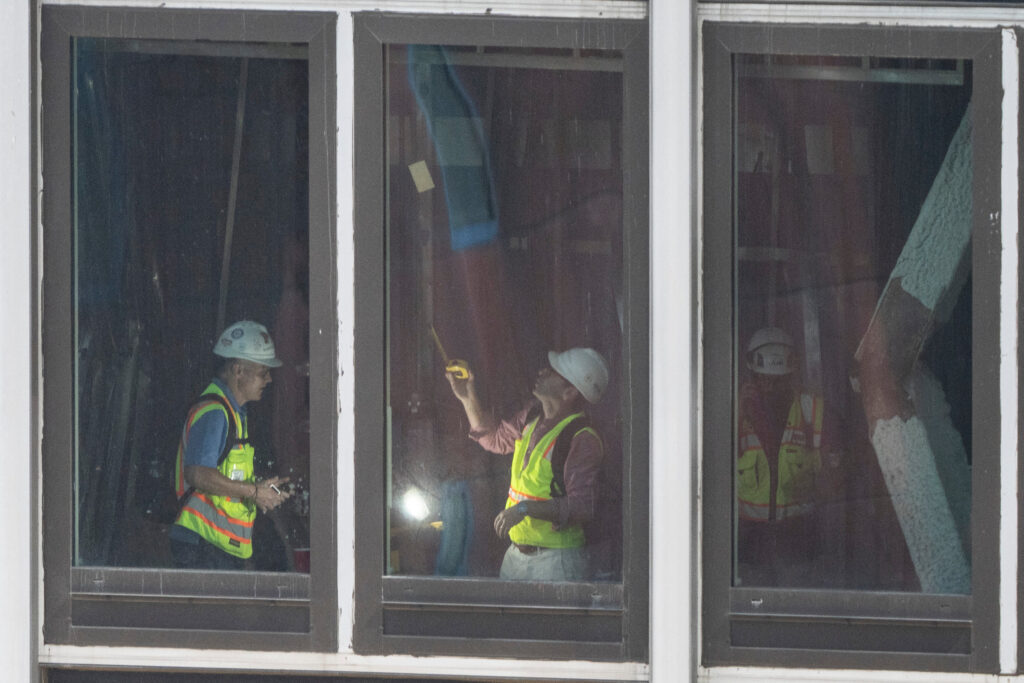
Minimum build requirements such as repairs to the exterior,roof, and windows, as well as elevator, plumbing, and electricalinstallation, must be fulfilled within two years.