



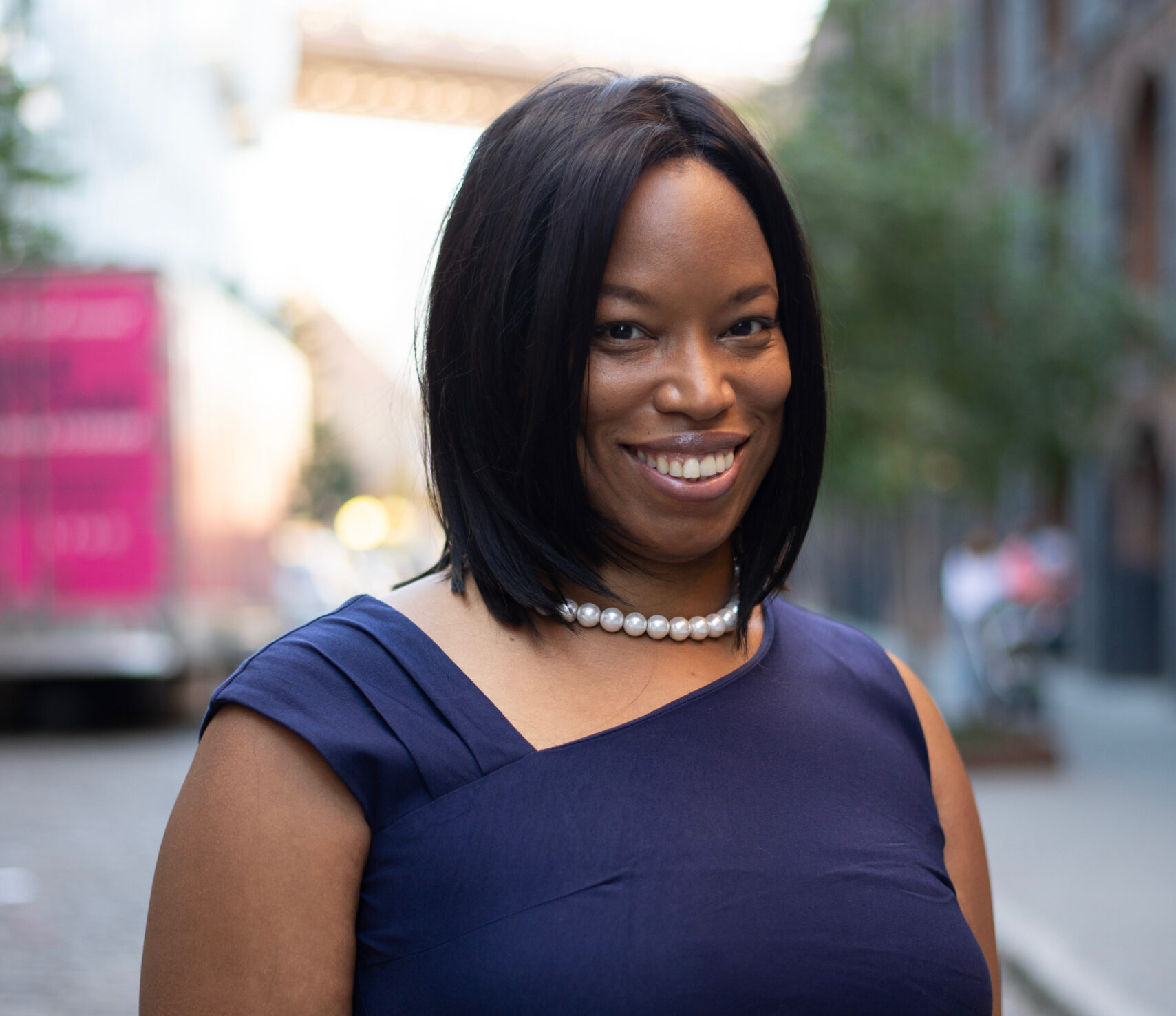
 IPS: As Deputy Administrator for the Brooklyn Democratic Party, what have you learned about service to the community that would apply specifically to the 33rd District, in which you live, for which you hope to serve?
GATES: Serving as Deputy Administrator for the Brooklyn Democratic Party has given me a front-row seat to the complexity and beauty of public service. One of the most important lessons I’ve learned is that despite all our differences — especially in heavily opinionated New York City politics — people just want to be heard. It sounds simple, but it takes work, determination and true passionate empathy to truly make everyone feel like and have their voice matter, regardless of where they live or what their background is. That’s especially true here in District 33 — a community that is uniquely rich with diversity, passion and ideas.
I’ve also seen firsthand that multiple ideas can lead to stronger solutions. When we create space for real dialogue and when we move past “either/or” thinking, we often find a path forward that’s more inclusive and more effective. You don’t always have to agree on everything to make progress. Sometimes, you have to give a little to get a lot — and that kind of thoughtful compromise can unlock real, lasting change.
This work has reaffirmed a truth that cuts across every diverse neighborhood in District 33. People want to live healthy lives, feel safe in their communities and have access to the resources they need to not just survive but thrive. Whether it’s housing, education, transportation, public safety, or myriad more areas, New Yorkers’ core needs are consistent: we just need to communicate and take action in unifying, meaningful methods to bridge the gaps between diverse demographics.
My experience has taught me that when we lead with empathy, listen with intention and act with integrity, we can build policies that reflect our shared values and meet people where they are.
IPS: What did your study at Georgetown University teach you about hyperlocal government service, such as the New York City Council, versus broader national service, which is supposed to be centered in Washington, DC, home to Georgetown U?
GATES: Studying Government and English at Georgetown grounded me in the ideals of public service and the structures that uphold our democracy. Studying, working and serving in a sorority in Washington, D.C., just blocks from the Congress and Senate chambers, exposed me to politics and policymaking at the highest levels. But it also highlighted a lesson that’s stuck with me ever since: national service may shape the headlines, but local government shapes people’s daily lives.
At Georgetown, I saw how decisions made in D.C. often feel distant and slow to reach the communities they’re supposed to help. In contrast, hyperlocal service, like what happens in the New York City Council, is immediate and tangible. It’s where you fix a sidewalk, fund a school, support a tenant, or protect a park. It’s where neighbors show up to testify and where decisions ripple through a block, a building, a borough. That proximity to the people you serve makes the work more urgent and more accountable.
What Georgetown taught me, more than anything, is that government must be rooted in the same core values, including equity, integrity and service, and it can’t just be through rhetoric or talking points. But it also taught me that if you want to make a real, lasting impact in people’s lives, you can’t overlook the power of local leadership. That’s why I’m running for City Council — because I believe the most meaningful change often begins closest to home.
IPS: Can you tell us more about your work on the Andrew Goodman Foundation and Junior Achievement of NY?
GATES: Both the Andrew Goodman Foundation and Junior Achievement of New York granted me the privilege to give young people meaningful opportunities to grow, lead and shape their futures.
At the Andrew Goodman Foundation, I worked to elevate student voices and expand civic engagement on college campuses. We supported young leaders in making voting more accessible and helping their peers understand the impact of civic participation. That work showed me that when young people are trusted, trained and given the space to lead, they do so with clarity, urgency and purpose.
With Junior Achievement of New York, I focused on delivering financial literacy education to students through after-school programs. It wasn’t just about teaching numbers. It was about helping young people understand how money works, how to plan for their goals and how to think like entrepreneurs. For some, it opened their minds to possibilities they had not considered.
In both spaces, I saw the power of early investment — what it means to give young people not just information but real tools, support and a sense of ownership over their lives and their futures. That’s the kind of future I want to build in District 33, where every young person sees possibility and every community sees progress.
IPS: Which established private sector organizations would you seek to work within the 33rd District, and what areas of need — e.g. environment, housing, transportation, education — would you comment upon?
In Council District 33, we’re fortunate to have a wealth of institutions, businesses and nonprofits that care deeply about the community. I know firsthand that strong partnerships between the government and the private sector can help us meet urgent needs in smarter, more sustainable ways. I work with countless organizations in a volunteer capacity — both through my sorority and as an advocate — and professionally as a Deputy Administrator of the Brooklyn Democratic Party and don’t want to leave any out or make this a 10-page article, so I will jump to how I work to deliver results for some areas of need you mentioned.
On housing, I seek to partner with mission-aligned developers and financial institutions that are committed to creating and preserving truly affordable housing — not just for low-income families but also for our teachers, artists, essential workers and seniors. We need creative approaches to affordability and long-term stability, and that starts with bringing everyone to the table, including housing advocates and responsible builders.
To protect our environment and improve it for our communities in the City Council, I will collaborate with local green-tech companies and sustainability nonprofits to support resilient infrastructure, coastal protection and expanded access to green space — especially in neighborhoods that have historically lacked investment. In a waterfront district like ours, climate adaptation must be a shared priority.
For education, there are so many opportunities to work with private sector partners on after-school enrichment, mentorship and career pathways–which I can hit the floor running with on day one through my extensive volunteering and networking.
IPS: Which elected officials in office now have you worked with before?
GATES: As Deputy Administrator of the Brooklyn Democratic Party (Kings County Democratic County Committee), I proudly work directly with the Party Chair, Rodneyse Bichotte Hermelyn, and the Executive Committee to handle the vast aspects involved in managing the largest county-wide Democratic Party organization not just in the city, but in the nation. No textbook or course can teach you the firsthand knowledge needed to navigate the intricacies of city and state agencies while balancing electeds’ needs to deliver real results quickly.
Through that work, I feel an immense responsibility — and privilege — to collaborate with a diverse and extraordinary roster of elected leaders, from the Senate Minority Leader to Council District 33’s District Leaders to almost everywhere and everyone in between.
Brooklyn Democrats hold many of the top elected positions statewide and nationwide, from our New State Attorney General Letitia James to our House Democratic Speaker Hakeem Jeffries, and it is an honor to work with them in various capacities. Just as importantly, I have developed deep relationships with Brooklyn’s most grassroots local leadership — our elected District Leaders (State Committee Members) who represent all corners of Brooklyn. (Brooklyn has 21 Assembly Districts, with two District Leaders elected to represent each through volunteer and vital, two-year terms.)

IPS: How do you see a way of bridging the gap between the liberal and conservative elements of Brooklyn voters, not asking about bridging the gap between conservative and liberal politicians; that’s a wound — a power struggle that will be timeless. But if elected, how would you get the citizens together?
GATES: The truth is, most people, regardless of political leaning, want the same basic things. They want to feel safe in their neighborhoods. They want clean streets and well-maintained parks. They want good schools, affordable housing, access to healthcare and opportunities to thrive. Our similarities are greater than our differences. How we reach a conclusion may look different, but our hopes are often rooted in the same soil.
What I have learned through years of service is that listening is a powerful tool. People want to be heard, truly heard, and they deserve leaders who do not write them off based on party or ideology. I believe in creating space where neighbors from different backgrounds and viewpoints can come together around shared goals. That could be through participatory budgeting, open community forums, or issue-based working groups where residents help shape real solutions.
When you focus on the work, on solving problems rather than scoring points, you find that folks who may not always agree on how to get there can still walk the path together. I am committed to meeting people where they are, to leading with empathy and to building bridges rooted in mutual respect. That is how we create not just policy but community.
IPS: What brought you to Brooklyn? Where did you grow up (i.e., earlier schooling and work experience)?
GATES: I grew up in Pelham, New York, and attended an independent all-girls high school where one of the core values was justice. We were taught to confront injustice, seek equality, practice compassion and respect the dignity of every person. That foundation shaped my worldview early on and strengthened both my leadership skills and my lifelong commitment to service.
After high school, I went on to study Government and English at Georgetown University. Post-graduation, I spent some time in Washington, D.C., working for a nonprofit, but I always knew I wanted to return to New York. My best friend’s dad once told me that Brooklyn was a place of fighters, people who roll up their sleeves and work for positive change. That stuck with me.
So when I came back home, Brooklyn called to me not just for its energy, culture and diversity but because it felt like a place where I could plant roots, build community and make a real impact. Brooklyn is where I’ve chosen to live, serve and lead — and I’m proud to call it home.









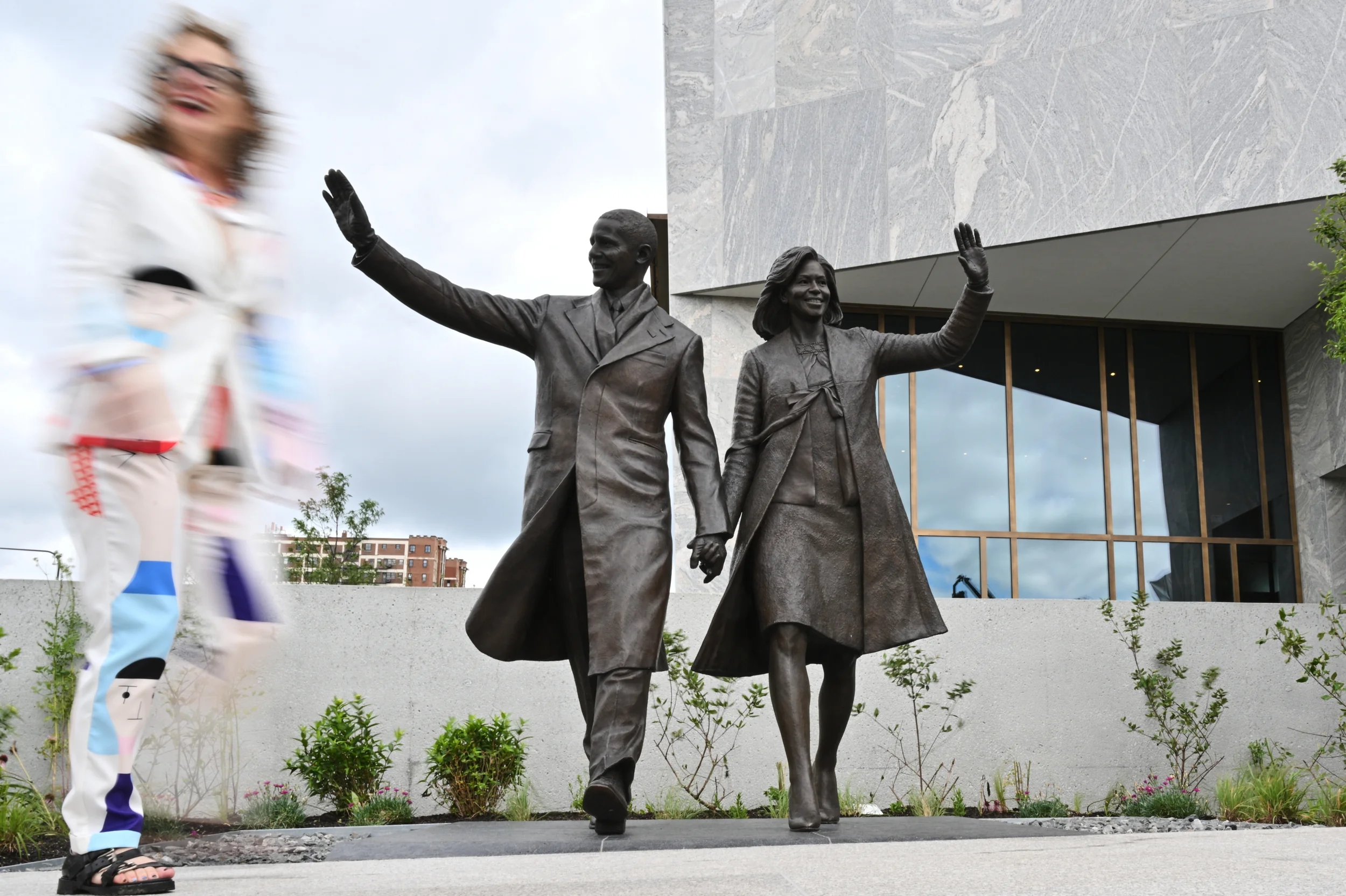


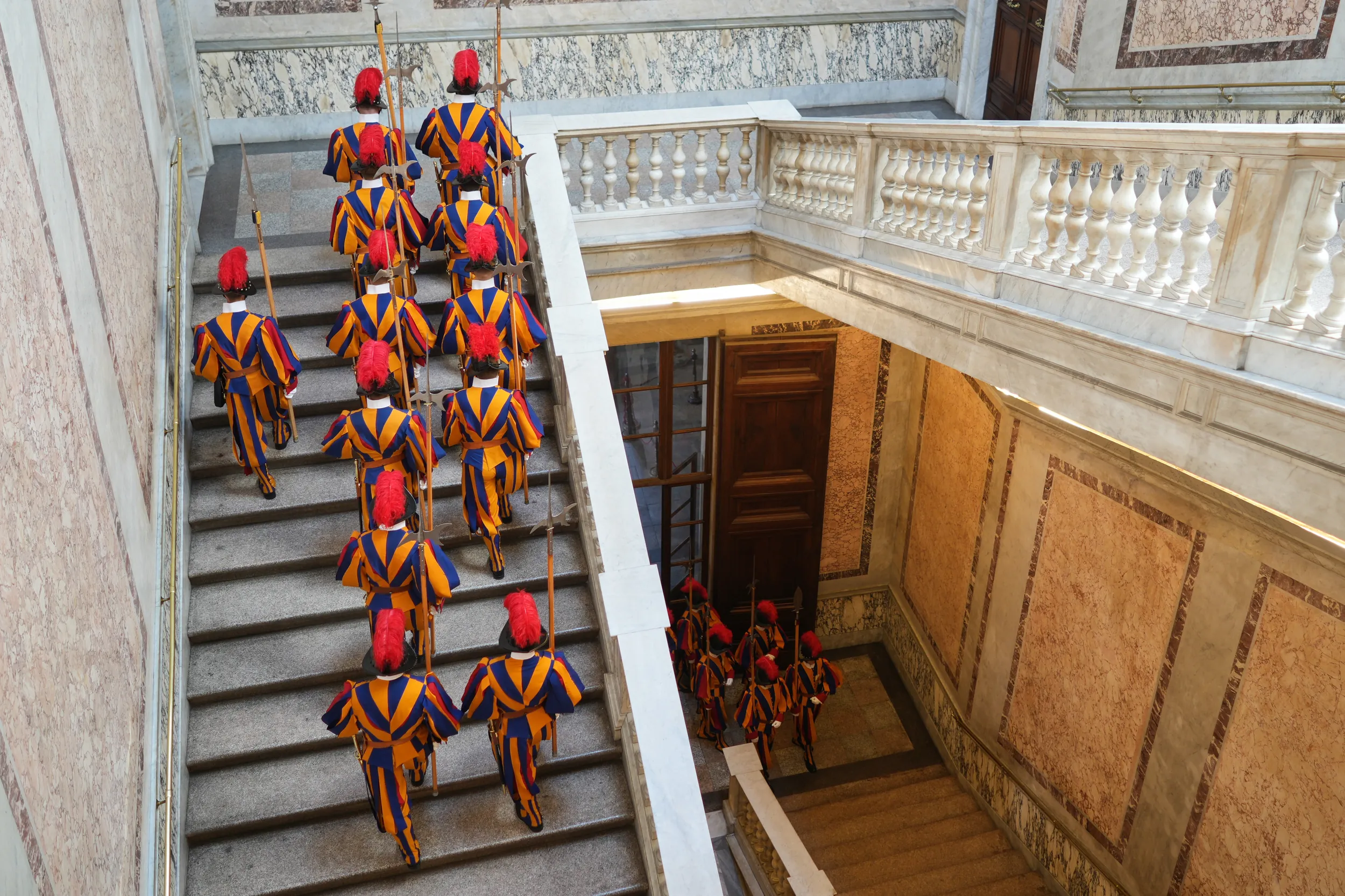





SUNSET PARK — “As a resident of Marine Park, one of the great surprises I found biking around Industry City and visiting Japan Village was to discover Bush Terminal Park. I continue to be amazed at the serene hideaways that the city offers in some of the busiest places — and, still, with an iconic view.”

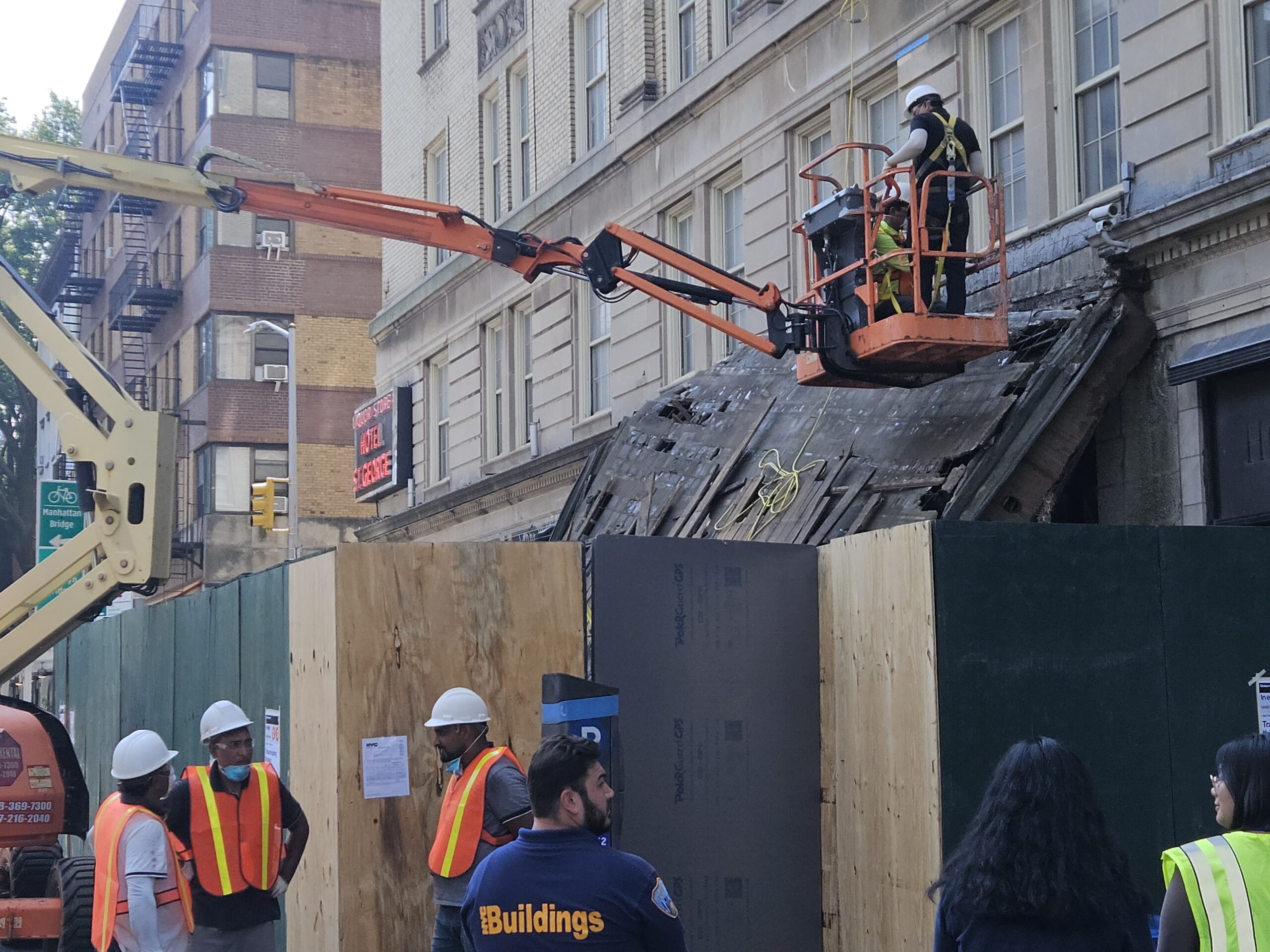
BROOKLYN HEIGHTS — ‘A miracle that no one was killed …’ That’s what neighbors are saying about the collapse of the Hotel St. George marquee. Shown in this photograph are workmen beginning the removal and repair of the historic, old neon sign at the corner, referencing a relic of Brooklyn Heights’ past: the St. George Hotel.
ATLANTIC AVENUE — Exhausted shopper with cluster of bags and goods from mall at Boerum Place stops to look at huge construction site across the street. “Is that REALLY going to be a jail??” Her male companion is reassuring, “Nothing like Rikers … this is 21st Century.”
BROOKLYN HEIGHTS — Overheard in line at one of most popular pastry outlets on Montague Street: “Hope I can get them into a camp …” A mother with two pre-schoolers in tow was showing a friend the Dodge Y flyer for Healthy Kids Day on Saturday, April 18.