A number of relief measures are on the way from the city, state and federal government to help workers affected by the novel coronavirus pandemic, from expanded unemployment insurance, to small business grants, to extended tax deadlines for individuals and businesses.
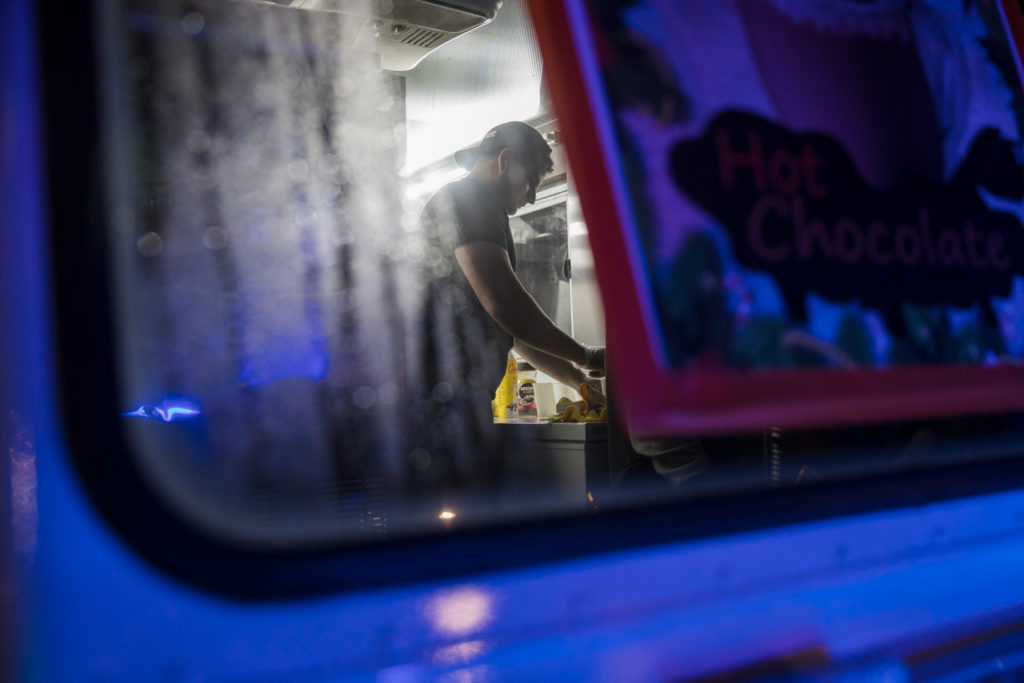
But one group is at particular risk of being financially wrecked by the pandemic while falling through the cracks of relief measures, advocates say: street vendors.
Though street vendors are classified as essential workers and are therefore able to continue selling food despite the state’s “pause” order, most have found it isn’t worth their time or overhead expenses due to a steep decline in the foot traffic they depend on, according to Mohamed Attia.
“I have talked to people who are making ten to 20 percent of what they made … So, you can imagine, when someone makes $30 in sales in a day they can’t cover expenses,” Attia, director of The Street Vendor Project, told the Brooklyn Eagle.
Attia said that just a handful of the 2,000 plus vendors his group works with are still taking their stalls out, despite the health risks and despite dismal sales.
“The business is very, very low, but they don’t have any other resources and they are forced to go out and make a few bucks a day,” he said.
As sole proprietors, street vendors aren’t eligible for worker protections like paid sick leave or unemployment benefits. Many vendors are undocumented immigrants, and are therefore unlikely to succeed at navigating the red tape involved in applying for most small business grants or loan programs, Attia said.
Additionally, while the $2 trillion federal stimulus package signed into law by President Trump Friday includes $1,200 in direct payments to most American adults, it leaves out undocumented immigrants, more than half a million of whom reside in New York City.
City Councilmember Carlos Menchaca signed on to a letter sent to the Mayor’s Office last week calling on the city to explicitly include street vendors in any future emergency relief measures, to ease up on enforcement and to waive outstanding tickets issued to vendors since January 2020.
In the meantime, The Street Vendor Project is directing its members to local food pantries and raising funds through a GoFundMe campaign, which has so far brought in over $23,000 of its $50,000 goal.
“A lot of people don’t have savings, they don’t have a safety net to fall on,” said Attia. “People are debating, should I pay the rent or should I pay bills?”