“Lafayette, nous voila!” became the rallying cry of the American Expeditionary Forces as they landed in France a century ago to join the republic in her desperate bid to maintain liberty. “Lafayette, we have returned!” they called out, and in so doing prepared to repay the debt to America’s oldest ally, whose presence in the War of Independence has always been symbolized by the leadership of Marie-Joseph Paul Yves Roch Gilbert du Motier de La Fayette — the Marquis de La Fayette.
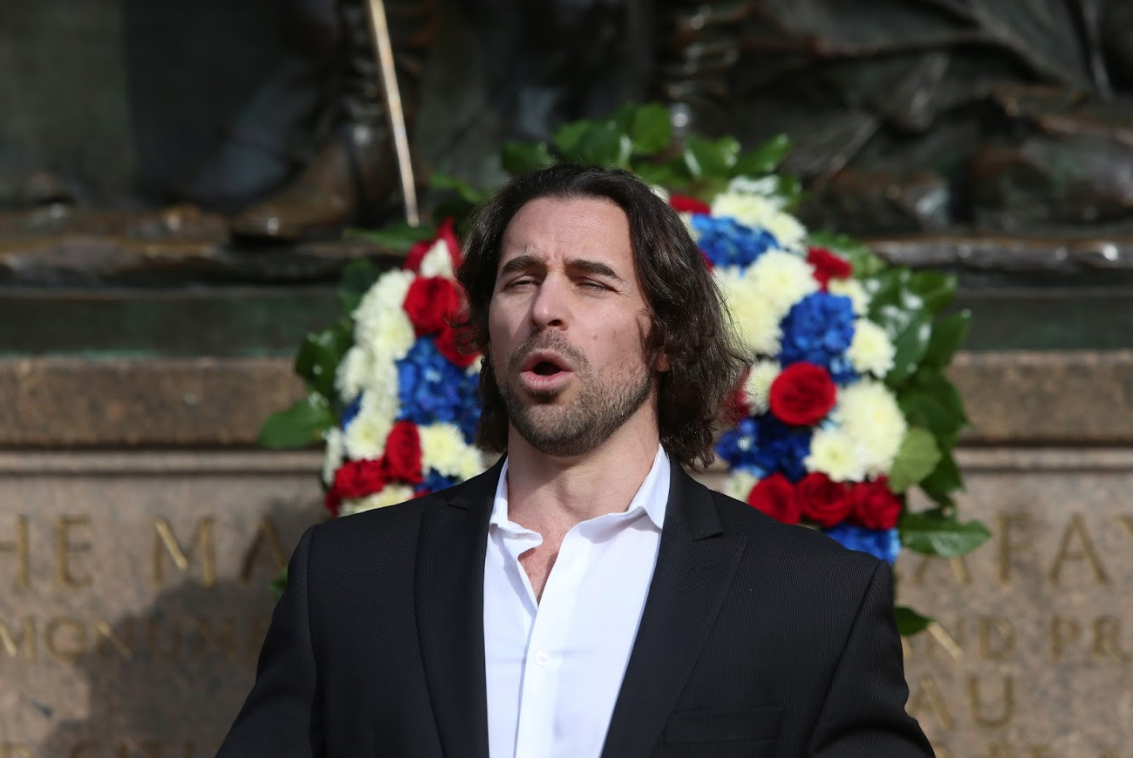
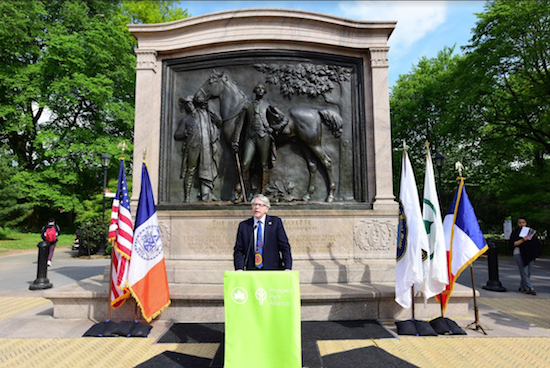
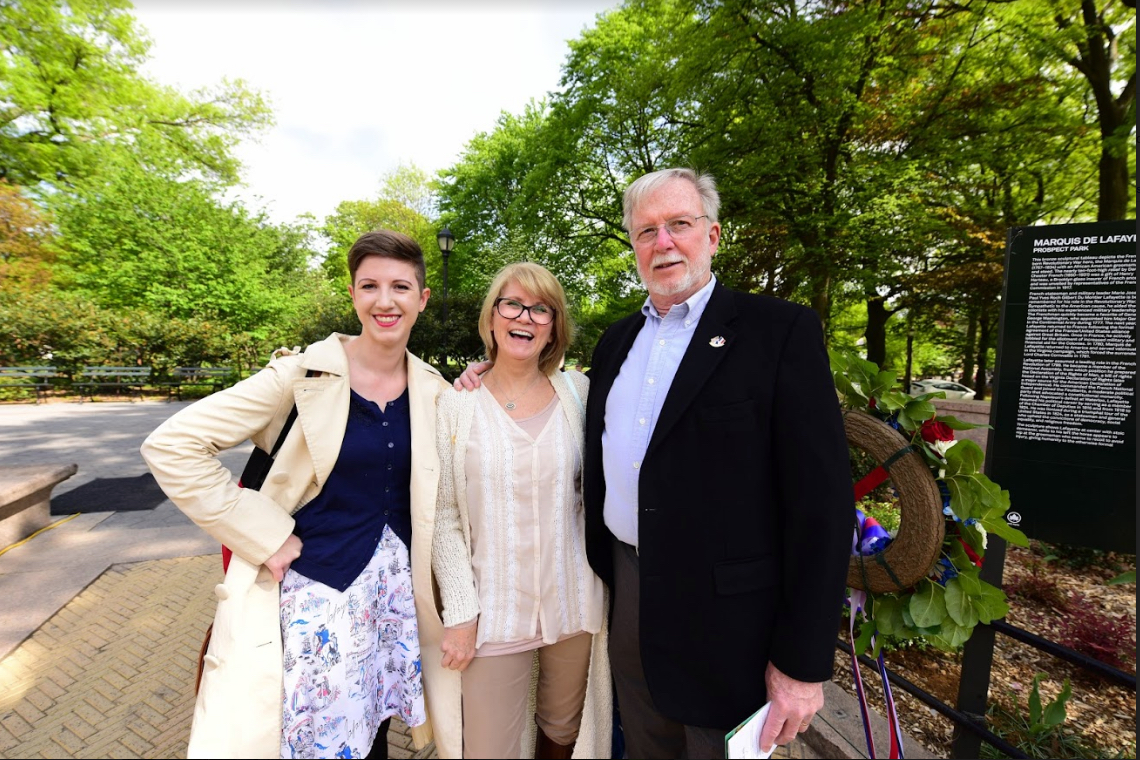
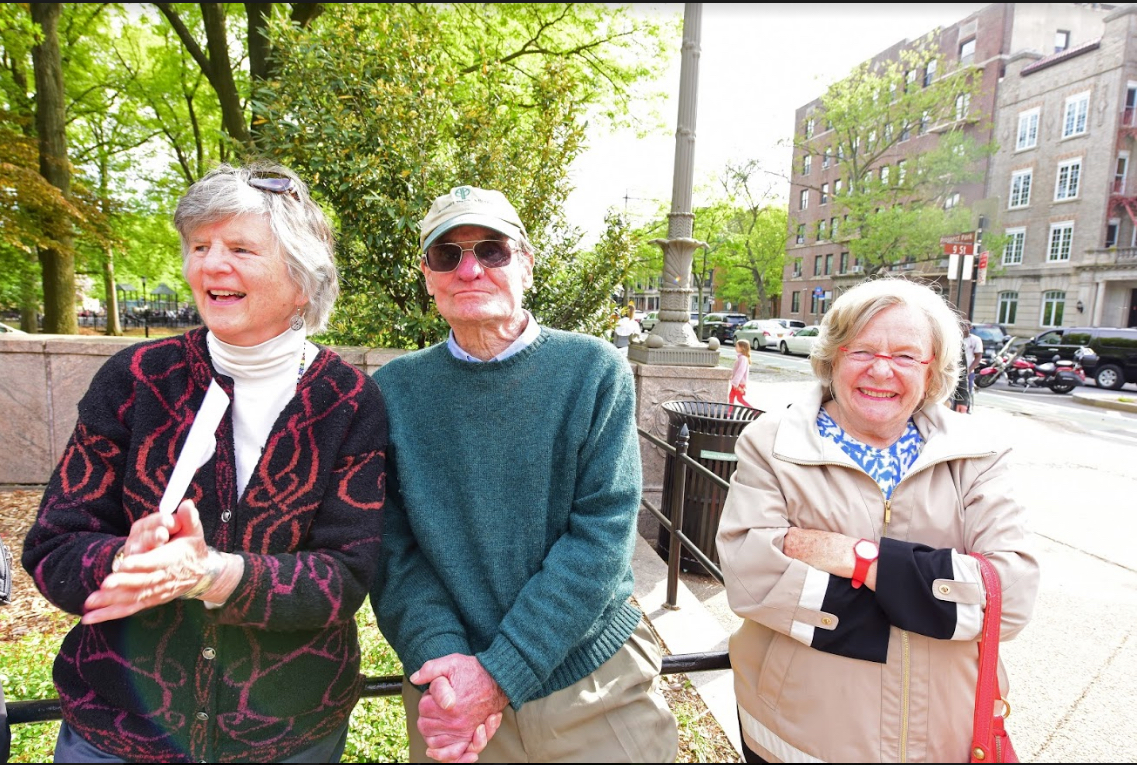
On Wednesday, exactly 100 years after it was first unveiled, another group returned to the Lafayette Monument in Brooklyn’s Prospect Park to honor Daniel Chester French’s vision, pay homage to the man who inspired it and celebrate the national friendship it represents.
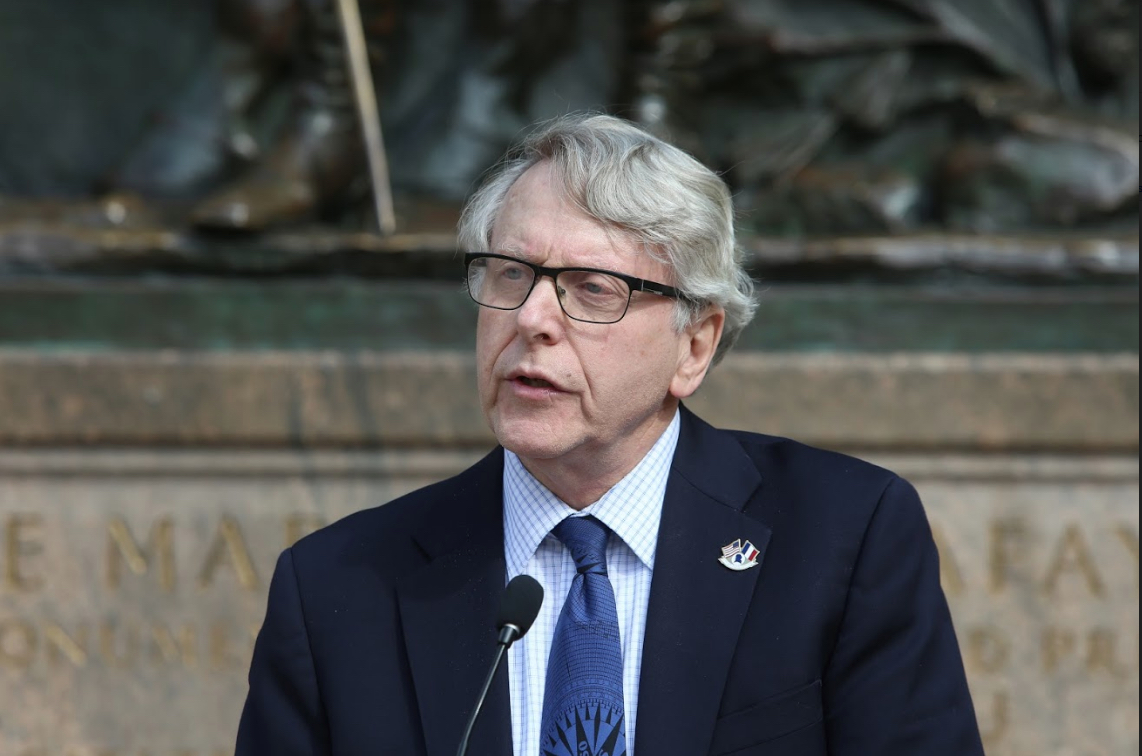
“This monument was conceived as a gesture of support and friendship between the United States and France,” Prospect Park Alliance President Susan Donaghue explained. “That friendship, that mutual support is so important with what’s happening in the world today.” Donaghue went on to remind attendees that 2017 is also Prospect Park’s sesquicentennial, with many special events planned in commemoration of its 150 years.
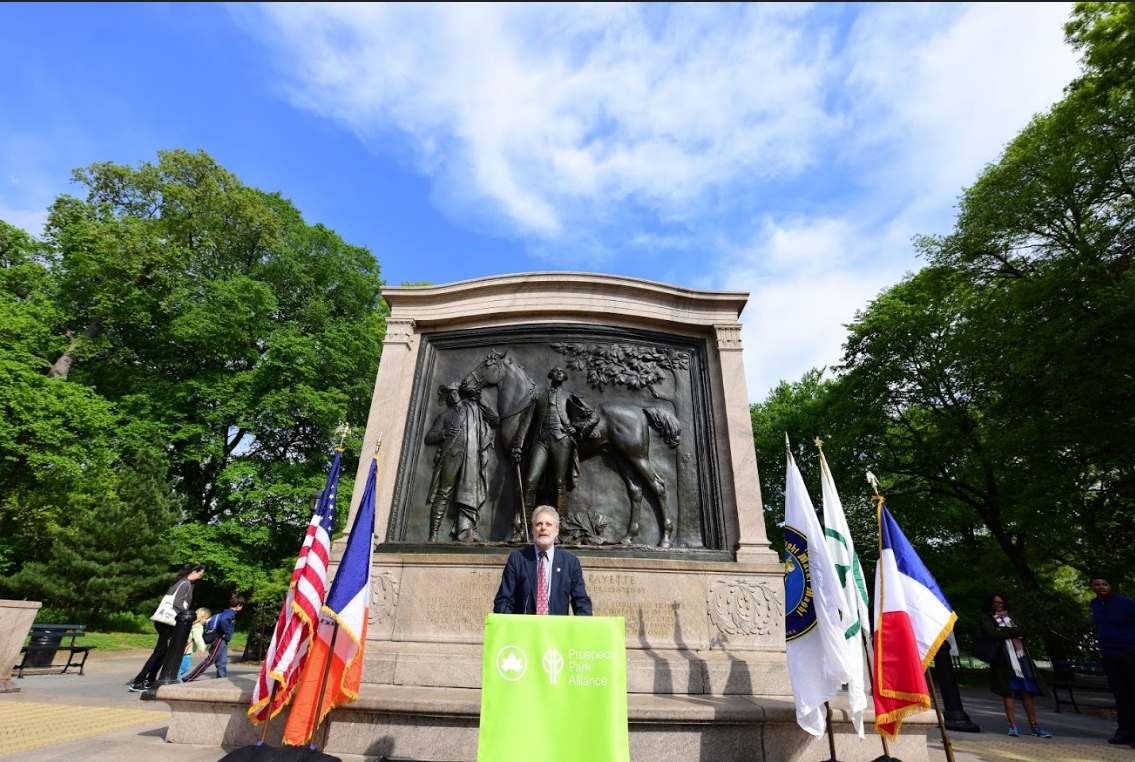
Although the sculpture was unveiled one month after Congress declared war against Germany, its genesis preceded the Great War and even the 20th century. A bequest of glass merchant and City of Brooklyn Parks Commissioner Henry Harteau, who died in 1895, the work could not begin nor the funds Harteau had set aside — $35,000 — released until his widow had also passed away, which she did in 1913. Noted sculptor Daniel Chester French — who would later craft the Lincoln statue in Washington, D.C. — was commissioned to create the larger-than-life sculpture, set onto a pink granite base designed by architect Henry Bacon.
The timing of the memorial’s completion must have seemed highly serendipitous to Francophiles eager to support France and the Allies in their struggle overseas. Among those present at its unveiling was Marshall Joffre, former supreme commander of all French forces fighting in the Western Front.
Recounting Lafayette’s 1824 farewell tour of America, Alan Hoffman, president of the American Friends of Lafayette, pointed out on Wednesday: “He was treated as a conquering hero and acclaimed as the last surviving major general of the American Revolution. It was because of this 13-month ‘victory lap’ that there are 80 cities, towns, townships and counties named for Lafayette.”
Indeed, Lafayette is perhaps second only to George Washington in importance to the nation’s collective remembrance of the military leadership that eventually wrested independence from Great Britain. Certainly, his name and memory were evoked well before the U.S. formally joined the Allies in the war against the Central European Axis. American volunteer flyers fought under French command in a unit known as the “Lafayette Escadrille,” cheered on by former President Theodore Roosevelt in a Collier’s Magazine article titled “Lafayettes of the Air: Young Americans Who Are Flying for France.”
The death of Escadrille pilot, Kiffin Rockwell, in 1916, inspired a poem by Edgar Lee Masters titled “I Pay My Debt for Lafayette and Rochambeau”.
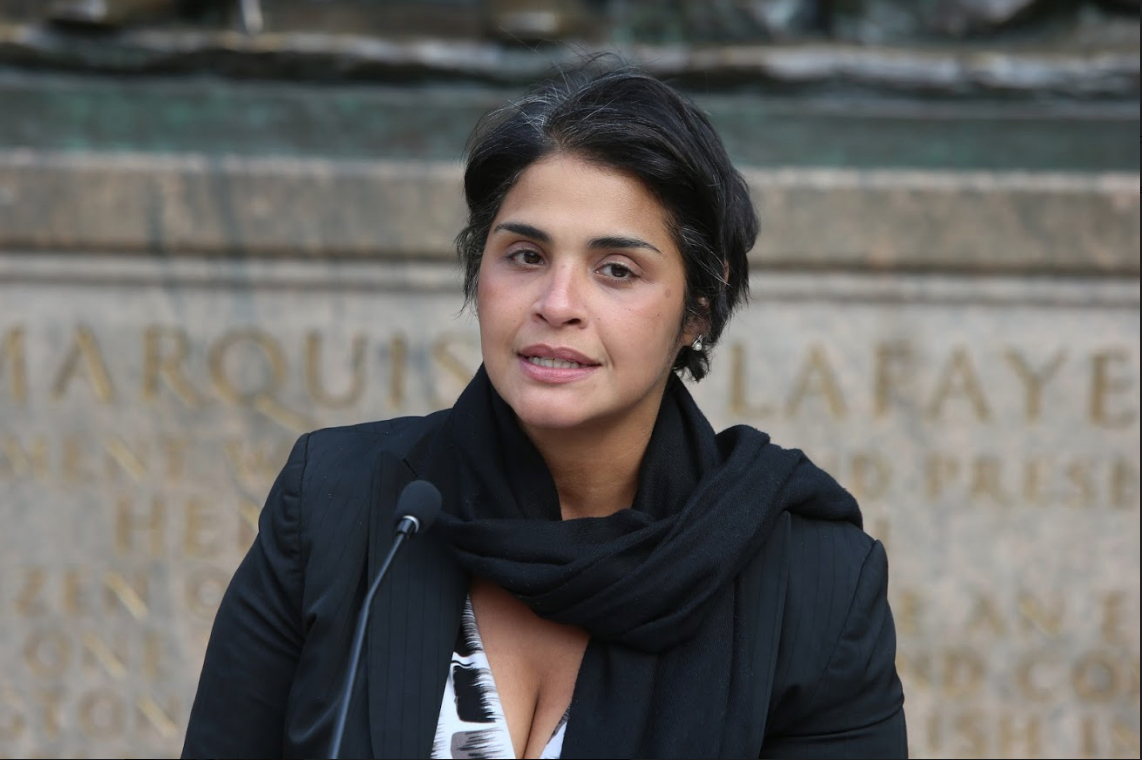
“History bears witness to the common destinies shared by the U.S. and France,” Anne-Claire Legedre, consul-general of France in New York, declared. “[Lafayette] was the leading embodiment of the French-American alliance.”
Mid-century neglect afflicted the Lafayette Monument, along with many other significant parts of Prospect Park, until, in the early 1980s, Tupper Thomas led the drive to restore the park to something close to designers Vaux and Olmstead’s original vision. In 1987, Thomas became the first president of the Alliance for Prospect Park.
“If you’ve lived here long enough [you can] remember when this statue was covered with graffiti,” said American Friends of Lafayette and Lafayette College graduate Stephen Parahus. “There are lots of people to thank, but the first person to thank is Tupper Thomas.”