









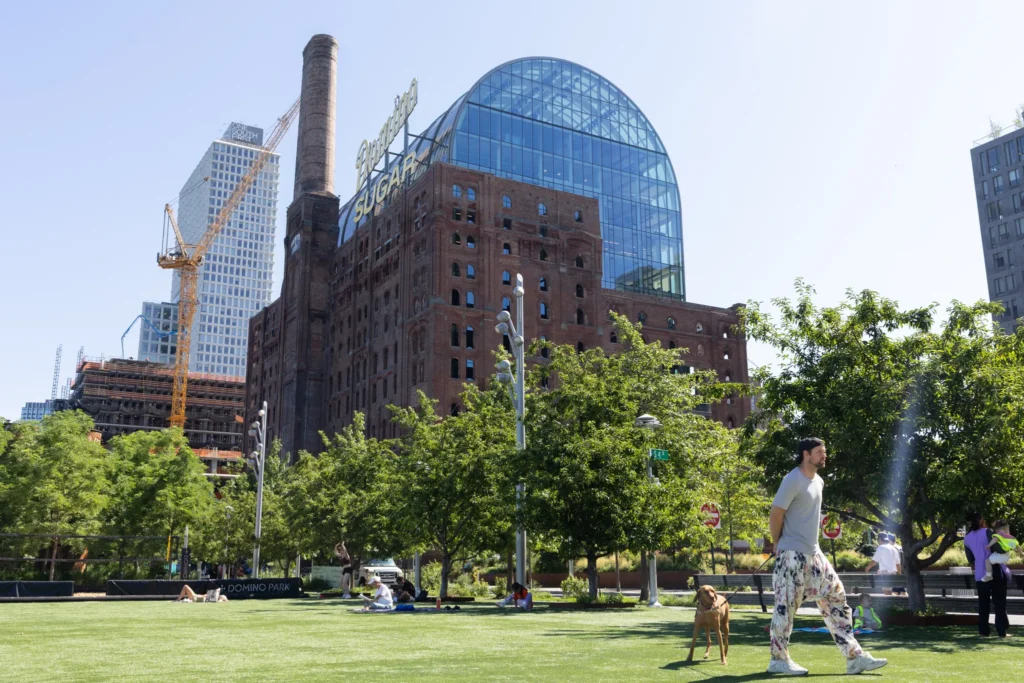
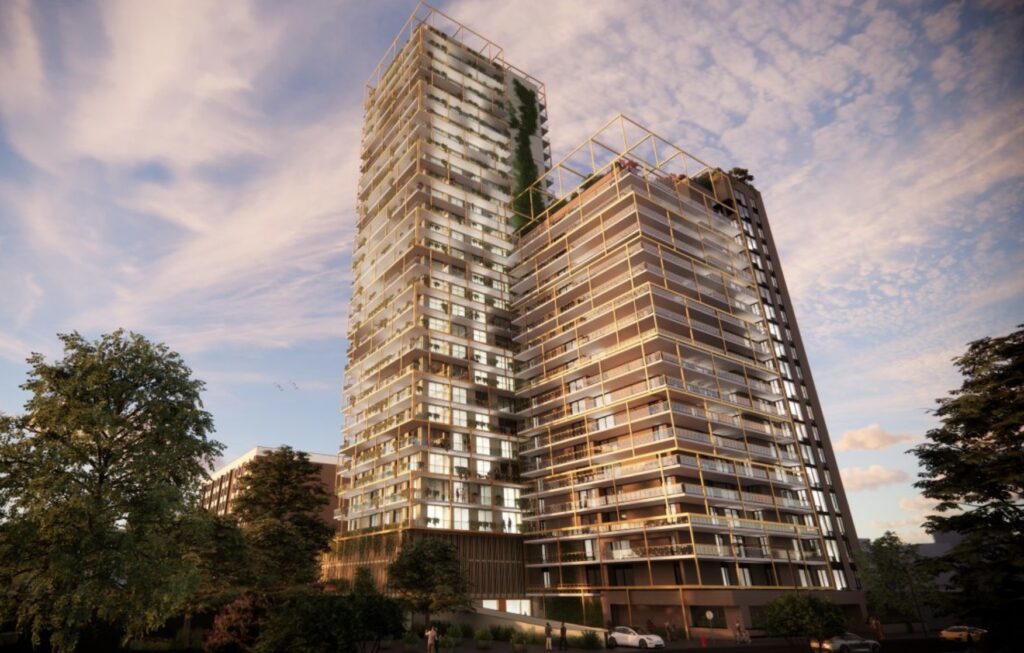
WILLIAMSBURG — A Brooklyn forum focusing on the borough’s market outlook for 2026, including its future real estate and business climate, was held at 25 Kent Ave.
The Commercial Observer, a business media company and news outlet covering commercial real estate, finance and more in New York City, organized the event.
The forum centered on three topics, including capital markets, investment trends and primary demand drivers; neighborhoods and industries driving the next wave of growth; and the borough’s residential report on housing supply, affordability and the development pipeline.

The forum brought together 12 prominent real estate executives and borough business leaders to share a timely market outlook, detailing where Brooklyn real estate stands today and where it’s heading.
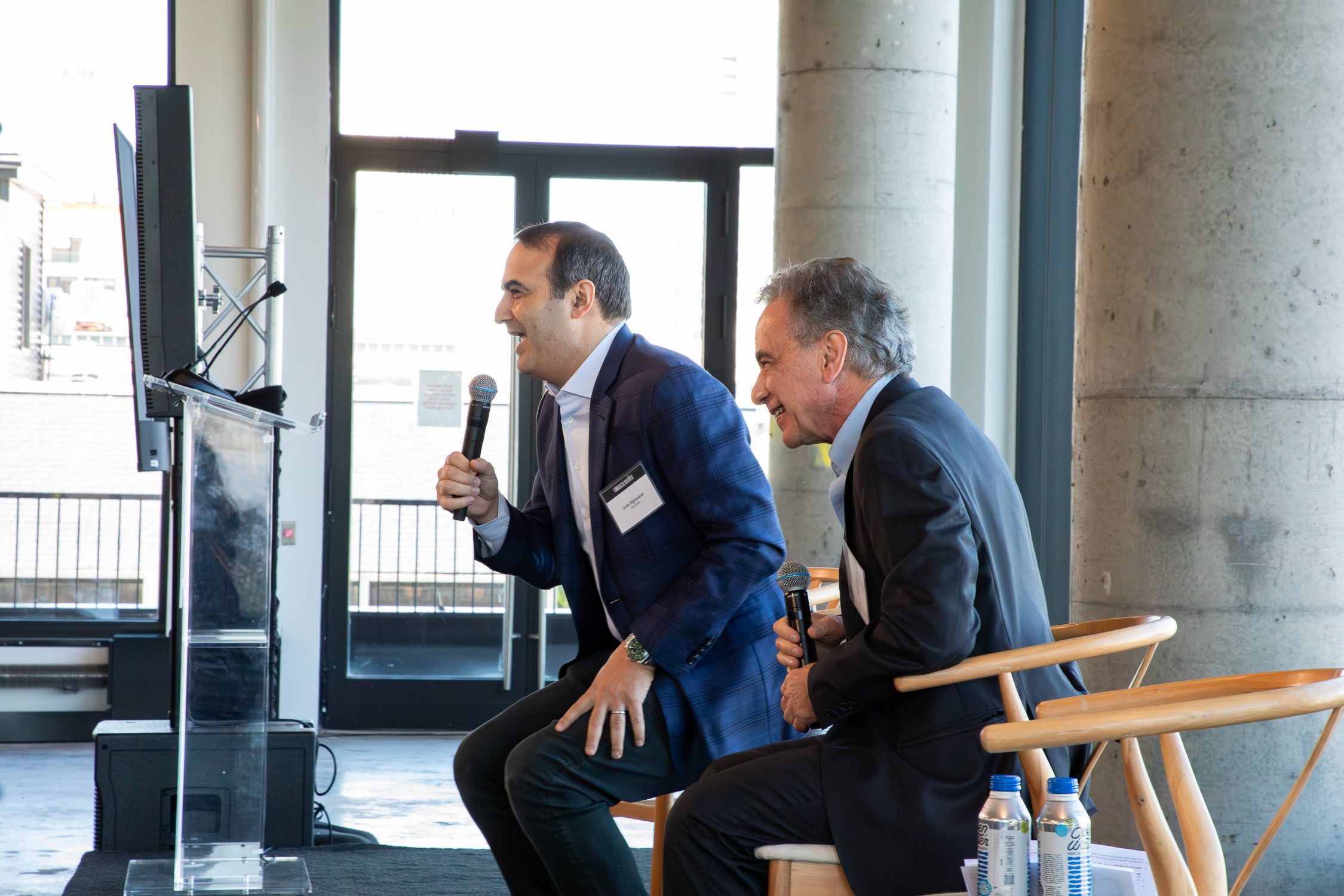
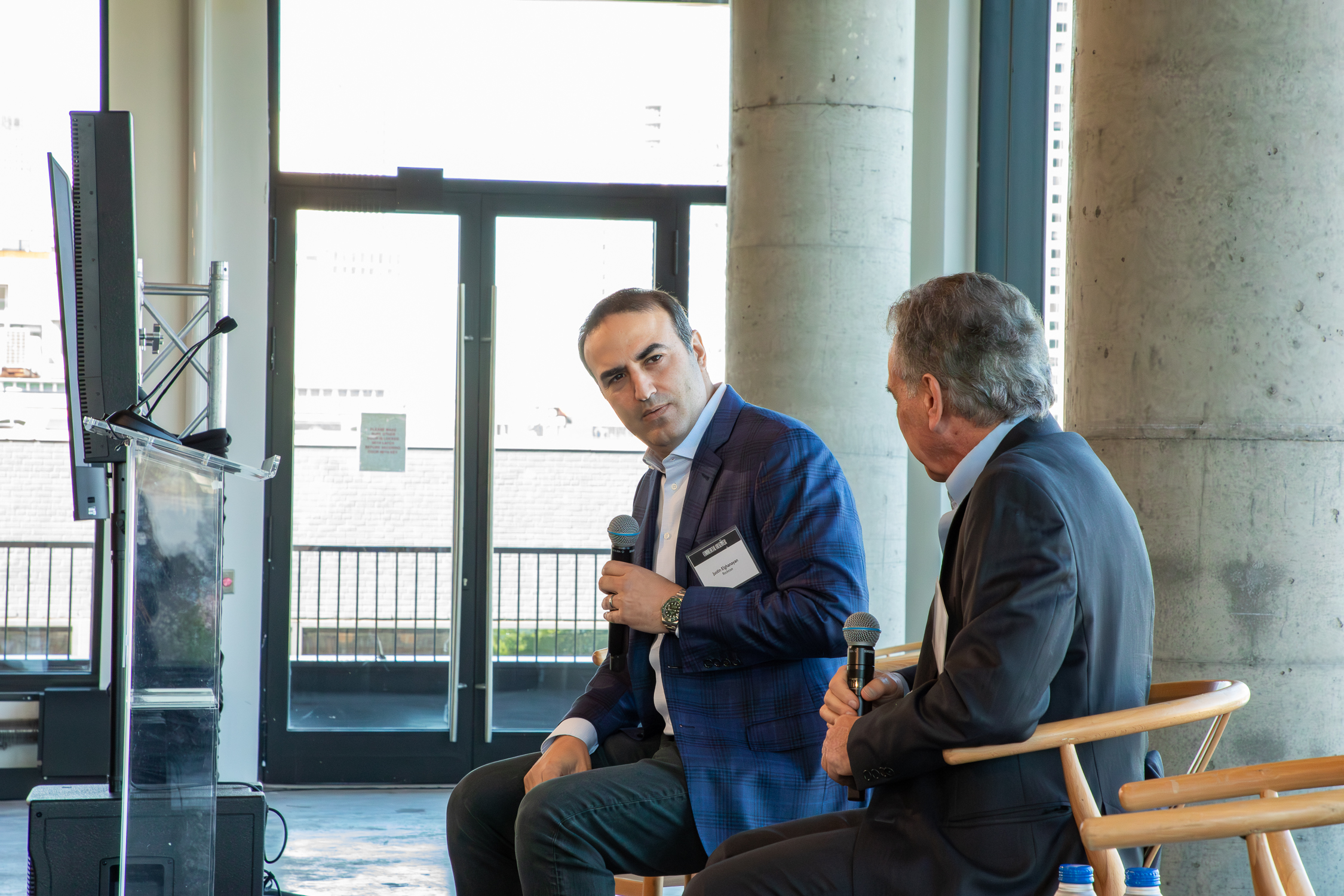
A keynote session with Justin Elghanayan, principal and president of Rockrose, and Alvin Schein, partner at Adler and Stachenfeld LLP, opened the event.
Elghanayan said typically two things make places more popular: shifting tastes of where people want to be and the broader, more cultural trend of “coolness and awesomeness.”
“I think that is partly why Brooklyn has risen,” Elghanayan said. “We go where things are popular, and people continue to want to live in Brooklyn.”
While Elghanayan would not specifically cite Brooklyn’s next hotspot, he said he has been focusing on “established neighborhoods.”
“I think those areas will appreciate faster,” he said. “We’re trying to deliver new projects in Brooklyn Heights and Cobble Hill. The strategy is rental buildings.”
Rockrose recently completed a project in Fort Greene that is 80% rented and is starting an 800-unit project in downtown Brooklyn.
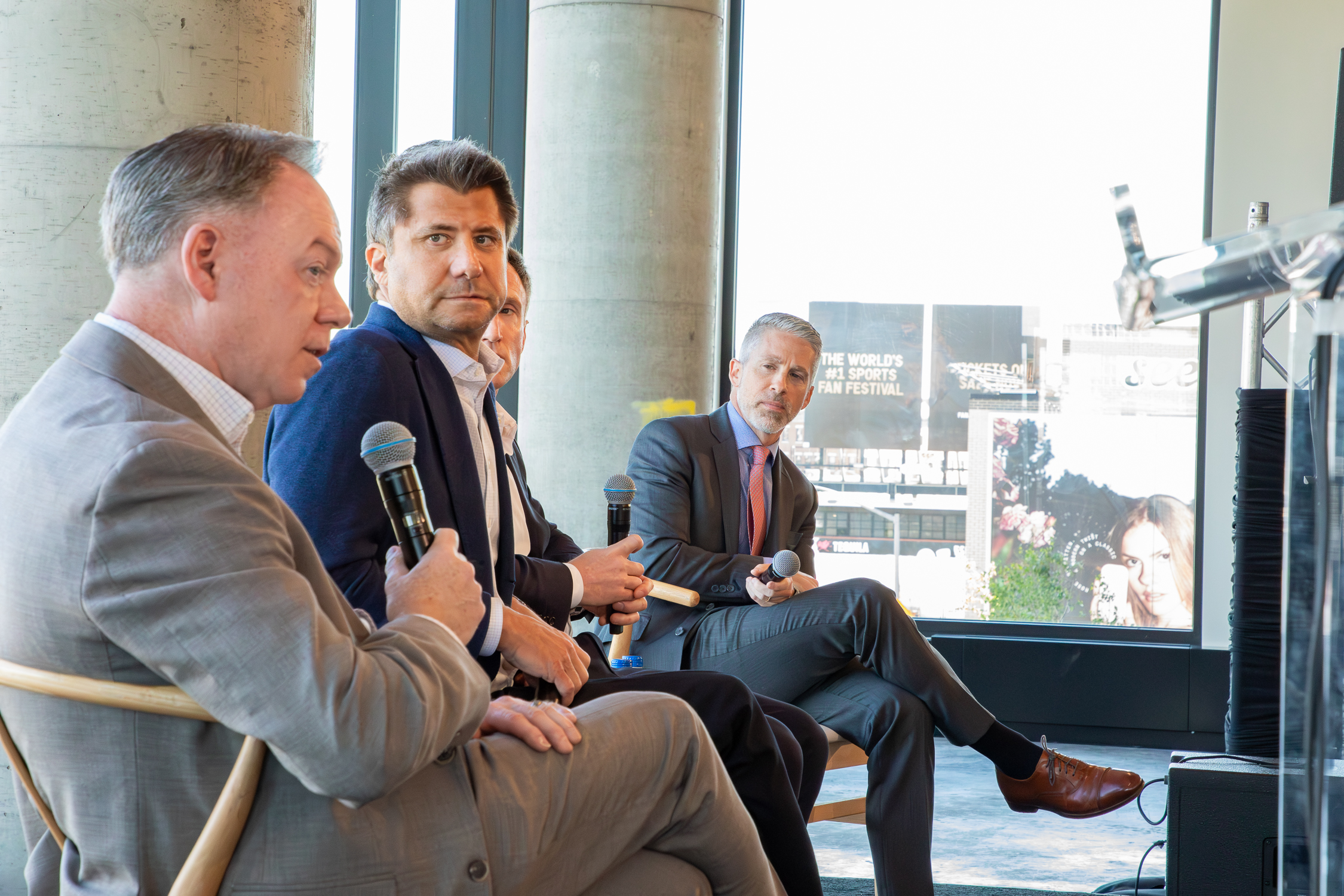
Next came the Brooklyn market outlook, featuring Brooklyn Chamber of Commerce CEO and President Randy Peers, Naftali Group Chief Investment Officer David Hochfelder and Silverstein Capital Partners President Shawn Katz. Dan Marks, CEO of TerraCRG, served as moderator.
Peers said Brooklyn’s brand is strong. “When I was growing up, it was a tarnished brand,” he said. “What was once dangerous has now become edgy. There’s also a tremendous international appeal with Brooklyn. You can walk around Seoul or Tokyo and see people with Yankees hats on and wearing Brooklyn sweatshirts.”
Peers also spoke to Brooklyn’s retail vacancy rates, specifically how much retail space is currently empty and available for rent compared to all available retail space in a given market.
His breakdown reflected that Dumbo has a 13.7% vacancy rate; Greenpoint, 13.7%; Williamsburg, 14.5%; Downtown Brooklyn, 17%; Bedford-Stuyvesant east, 15.9%; Bedford-Stuyvesant west, 16.5%; Prospect Lefferts Gardens, 15.9%; Flatbush Junction, 13.8%; South Brooklyn: Sheepshead Bay, 11%; and Coney Island, 12%.
“People still want to live in Brooklyn,” Peers said. “So all of that is good and strong.”

Katz said he recalled the enormous amount of supply of rental units coming into Downtown Brooklyn in 2025.
“What’s been incredible to see is how quickly it’s been absorbed,” he said. “We’ve seen an incredibly strong spring in Downtown Brooklyn — a 31% increase in absorption over a year. So a lot of that supply is being gobbled up.”
Marks told the Brooklyn Eagle that according to its first-quarter Brooklyn market report, the borough recorded more than $2.2 billion in investment sales volume across 324 transactions in the first quarter alone, outpacing Brooklyn’s 10-year quarterly average.
“To put that into perspective, the entire Brooklyn investment sales market totaled just over $1 billion for all of 2010,” Marks said. “Brooklyn continues to prove itself as one of the most desirable places to invest, develop, live, work and play.”
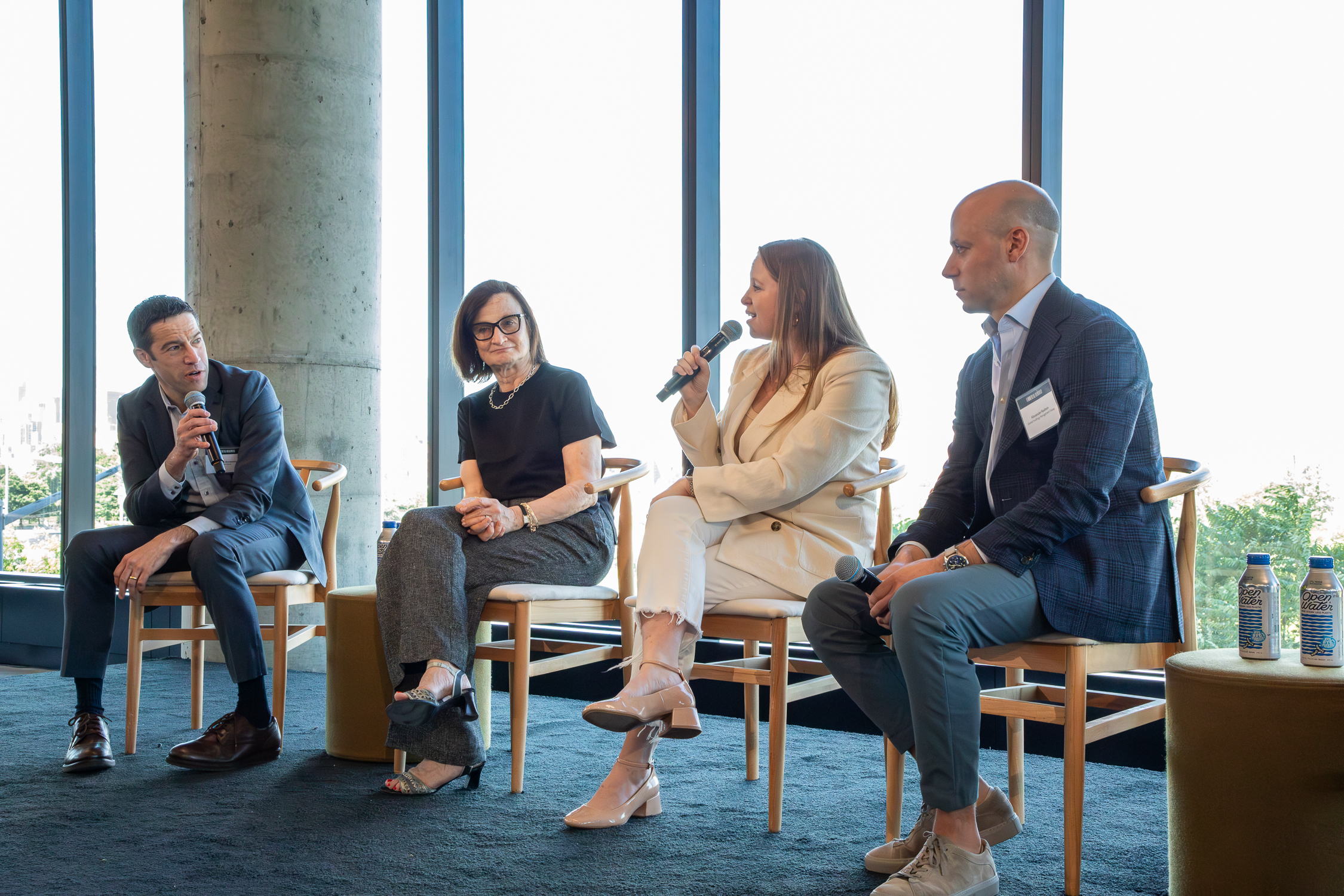
Zachary Bernstein, partner at Fried Frank, moderated a panel on the neighborhoods and industries driving the next wave of growth in Brooklyn. Speakers included Downtown Brooklyn Partnership President Regina Myer, Global Holdings Management Group Leasing Director Alexander Radmin and Two Trees Management Commercial Leasing Managing Director Alyssa Zahler.
Myer explained that while Downtown Brooklyn has emerged as an incredible mixed-use neighborhood, just 20 years ago, it was known as a shopping district defined by Fulton Street, and a civic center defined by Borough Hall.
“One of the reasons for this transformation is because our transit system is like nowhere else,” Myer said. “You can get anywhere from downtown, and that really works for a lot of people. You can live in Downtown Brooklyn and be connected to not just the brownstone neighborhoods but also the waterfront. These are the connections that I think people really feel, thus continuing to view Brooklyn as a really attractive place to live.”
Zahler recalled when Two Trees invested in DUMBO around 40 years ago. “People thought we were crazy,” she said.
“We were ultimately able to acquire buildings down there,” she said. “It’s rather difficult to predict what the next Brooklyn hotspot will be.”
Radmin said he has eyes on Gowanus as it has excellent transit access. “You are surrounded by some of the best neighborhoods in Brooklyn,” he said.
“We have 5,000 feet on the canal,” he added. “We have spoken with high-end restaurateurs, those who can provide event space, and a bunch of smaller retailers — something that’s really going to engage the community. We’re very excited.”

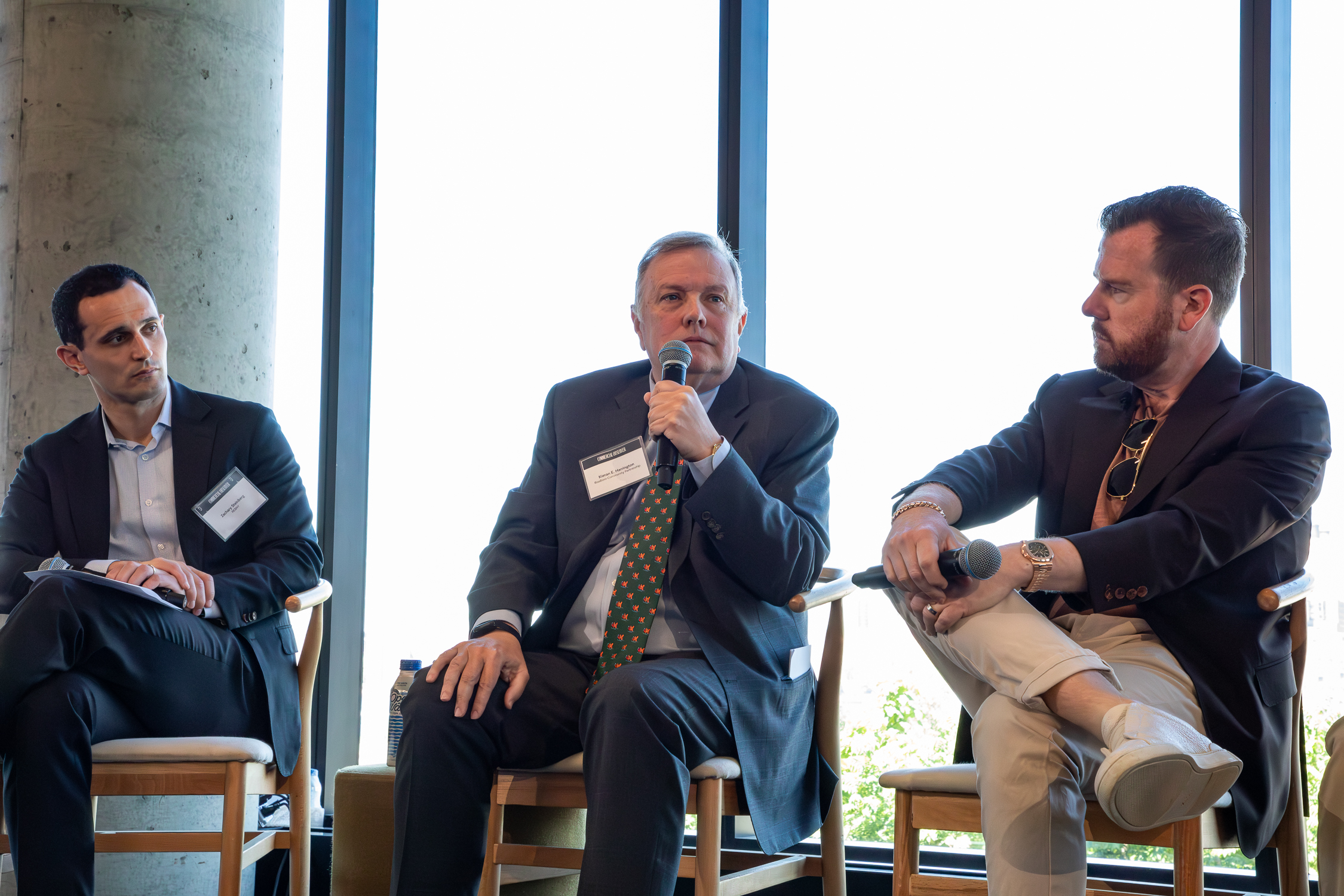
The final panel featured Charney Companies Founder and Principal Sam Charney, Ailanthus Principal and Co-Founder Ofer Cohen, RiseBoro Community Partnership CEO Kieran E. Harrington, and Monadnock Development President Kirk Goodrich. Zachary Steinberg, executive vice president of REBNY, served as the moderator.
The panel confronted the topic of affordable housing. Harrington described how some Brooklyn residents have been outpriced or have moved on.
“They just couldn’t afford it anymore,” he said. “They are being pushed out to other parts of the city. It can’t be that a woman who comes to clean your Brooklyn apartment has to take the train two hours to get home to see her family. If that’s the kind of city we’re creating, I think we’re going to fail.”
Cohen stated that the cheapest way for the city to produce housing is through unsubsidized development. “However, districts like Downtown Brooklyn and Gowanus that are already zoned for higher density are unlikely to see as much new housing creation,” he said.
According to Goodrich, Brooklyn has always done what it’s supposed to do in terms of affordable housing.
“We are approximately 31% of the population of New York City and over 30% of its housing stock,” he said. “The key is to continue on that path and get our sister boroughs to do the same.”











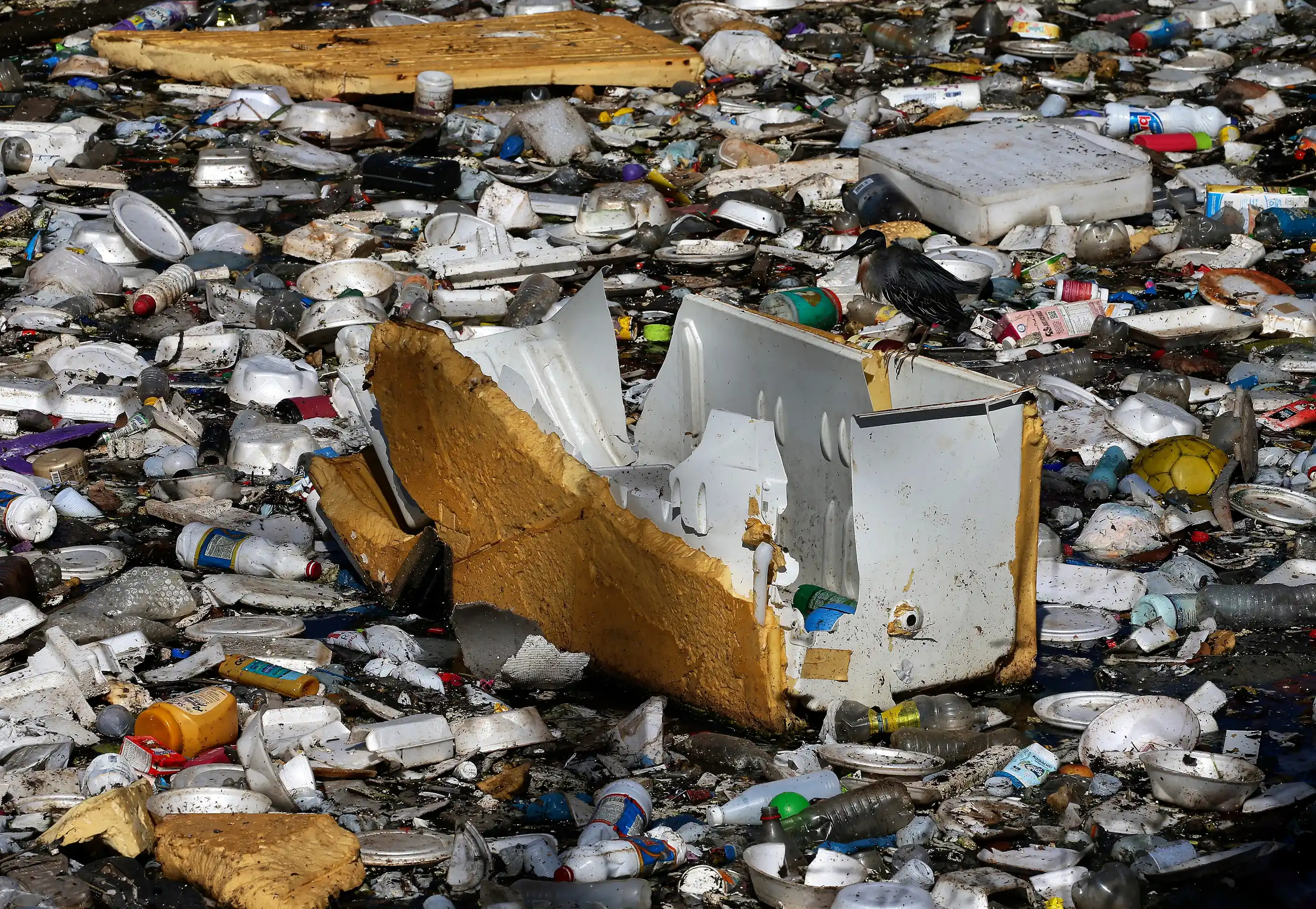




SUNSET PARK — “As a resident of Marine Park, one of the great surprises I found biking around Industry City and visiting Japan Village was to discover Bush Terminal Park. I continue to be amazed at the serene hideaways that the city offers in some of the busiest places — and, still, with an iconic view.”

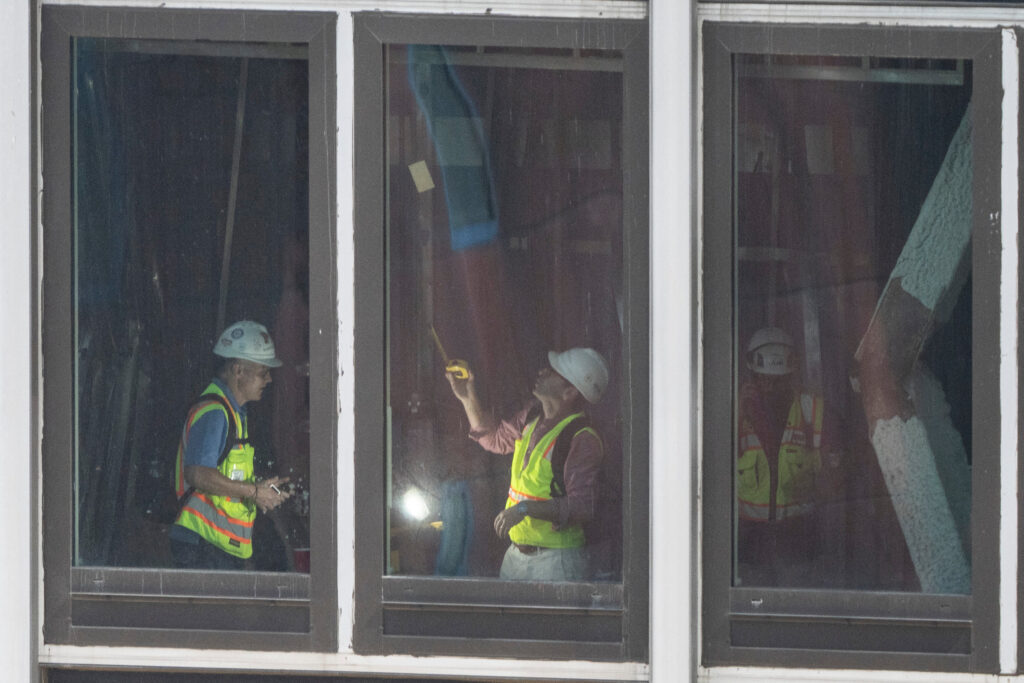
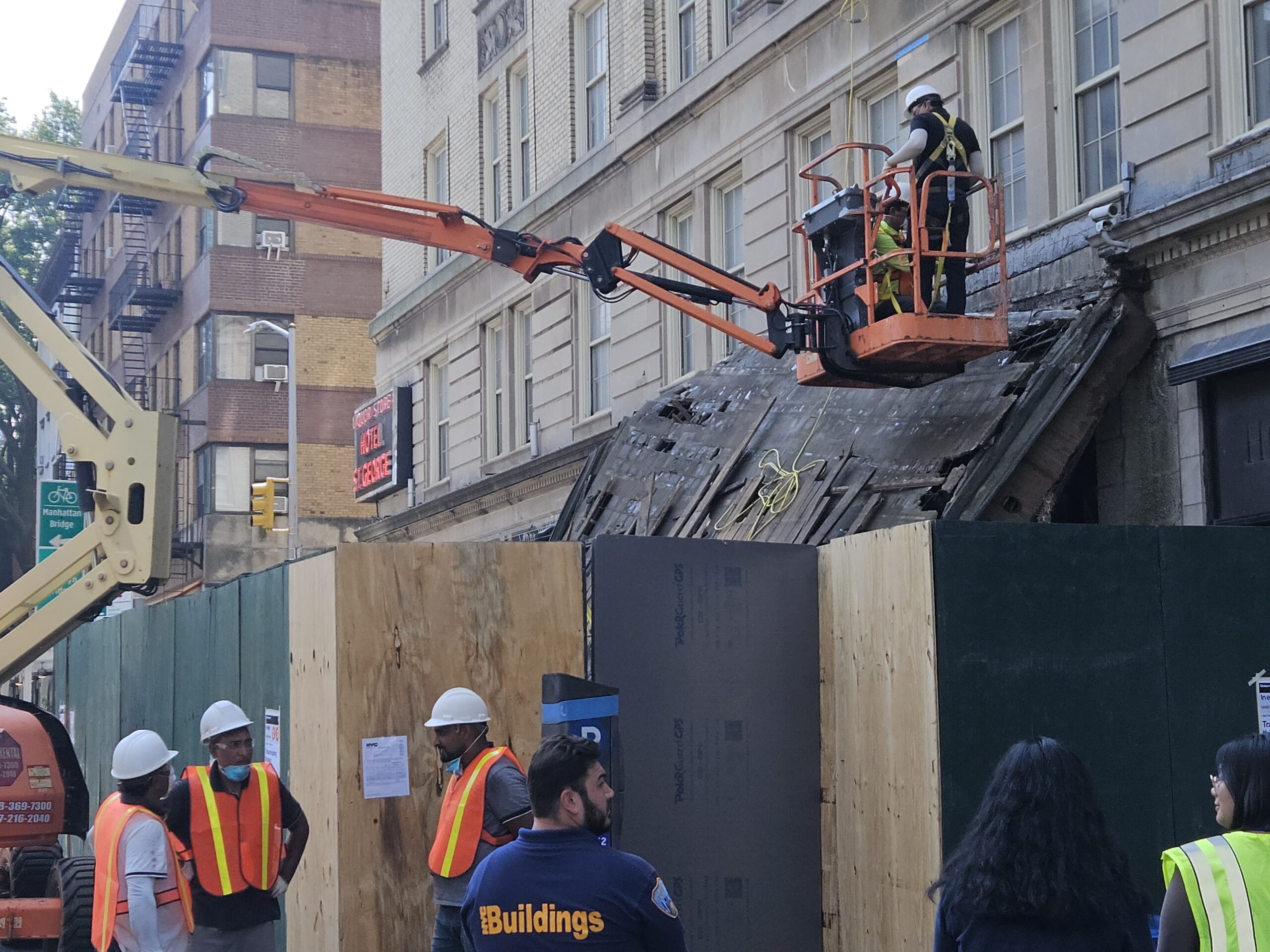
BROOKLYN HEIGHTS — ‘A miracle that no one was killed …’ That’s what neighbors are saying about the collapse of the Hotel St. George marquee. Shown in this photograph are workmen beginning the removal and repair of the historic, old neon sign at the corner, referencing a relic of Brooklyn Heights’ past: the St. George Hotel.
ATLANTIC AVENUE — Exhausted shopper with cluster of bags and goods from mall at Boerum Place stops to look at huge construction site across the street. “Is that REALLY going to be a jail??” Her male companion is reassuring, “Nothing like Rikers … this is 21st Century.”
BROOKLYN HEIGHTS — Overheard in line at one of most popular pastry outlets on Montague Street: “Hope I can get them into a camp …” A mother with two pre-schoolers in tow was showing a friend the Dodge Y flyer for Healthy Kids Day on Saturday, April 18.