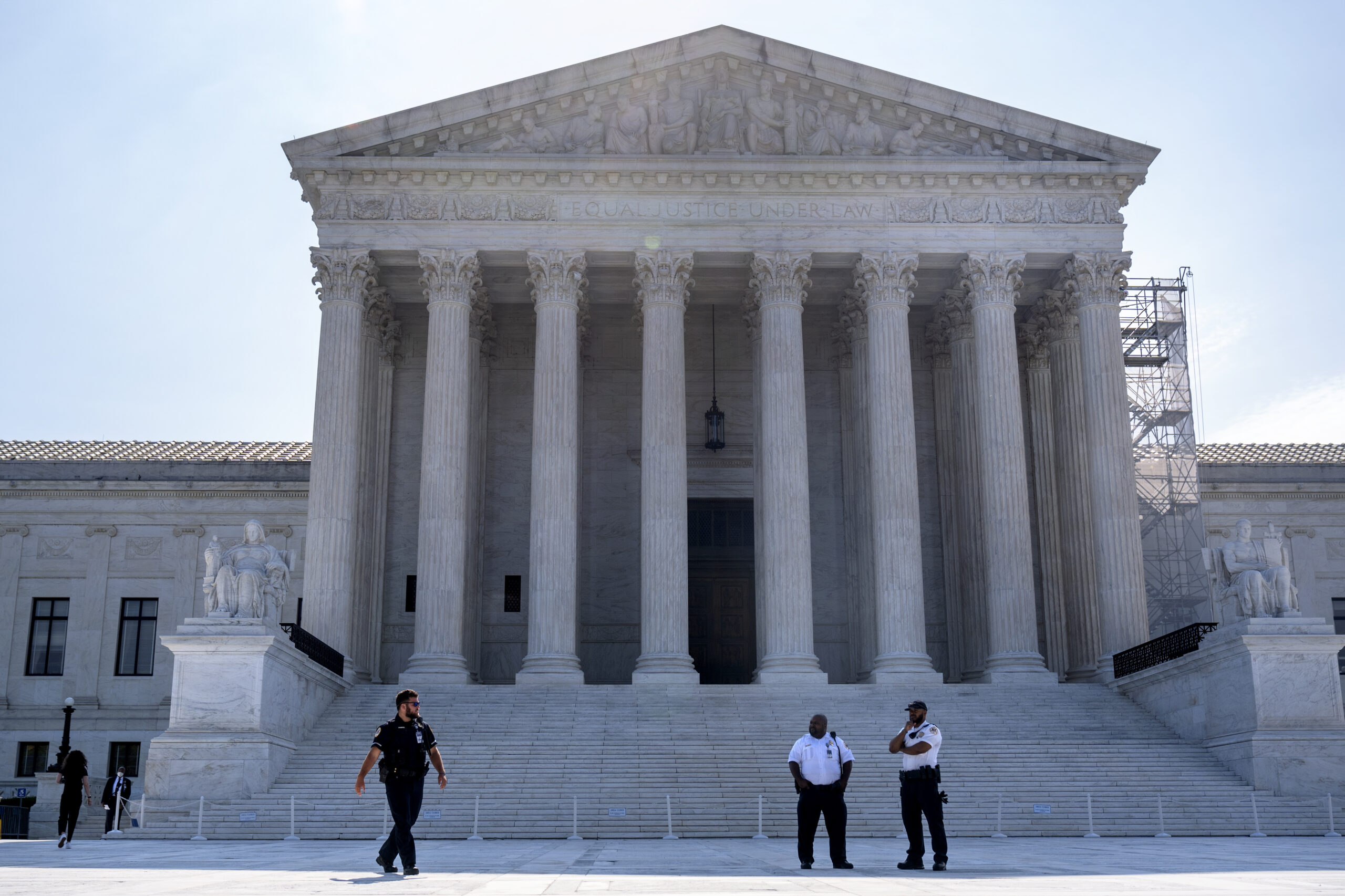
The U.S. Supreme Court has declined to review two challenges to New York’s rent stabilization law, leaving intact regulations that control rents for over one million apartments.
The petitions, brought by landlord groups, sought to overturn key provisions of the 2019 Housing Stability and Tenant Protection Act (HSTPA), arguing that the law amounted to an unconstitutional “taking” under the Fifth Amendment.
The HSTPA passed in response to escalating housing costs, made sweeping changes to New York’s rent regulation system. It eliminated vacancy decontrol, which allowed landlords to remove apartments from rent stabilization once rents exceeded a certain threshold. The law also capped rent increases for major capital improvements and ended the practice of preferential rents, preventing landlords from raising rents sharply at lease renewal for tenants paying below the legal maximum.
Landlords argued that these restrictions went too far, depriving them of reasonable returns on their properties. Specifically, they claimed the law constituted a “regulatory taking” under the Fifth Amendment, which protects property owners from government actions that effectively seize property without just compensation.
The Supreme Court’s decision not to grant certiorari means it will not hear the cases, letting lower court rulings stand. Those rulings upheld the HSTPA, applying a legal framework established in Penn Central Transportation Co. v. New York City (1978). Under Penn Central, courts evaluate regulatory takings claims by considering several factors, including the economic impact on the property owner, the extent to which the regulation interferes with reasonable investment-backed expectations, and the character of the government action.
Lower courts found that the HSTPA did not meet the Penn Central standard for an unconstitutional taking. They ruled that while the law limits landlord profits, it does not strip them of all economically viable use of their properties. The courts also emphasized the government’s interest in regulating rents to protect tenants and address housing affordability.
By declining to hear the appeals, the Supreme Court effectively endorsed this interpretation. While the court provided no detailed reasoning, Justice Neil Gorsuch dissented, stating he would have granted review.