After 22 years, there is finally justice for one of the pioneers of hip hop as two men were found guilty by a jury in Brooklyn federal court of murdering Jam Master Jay.
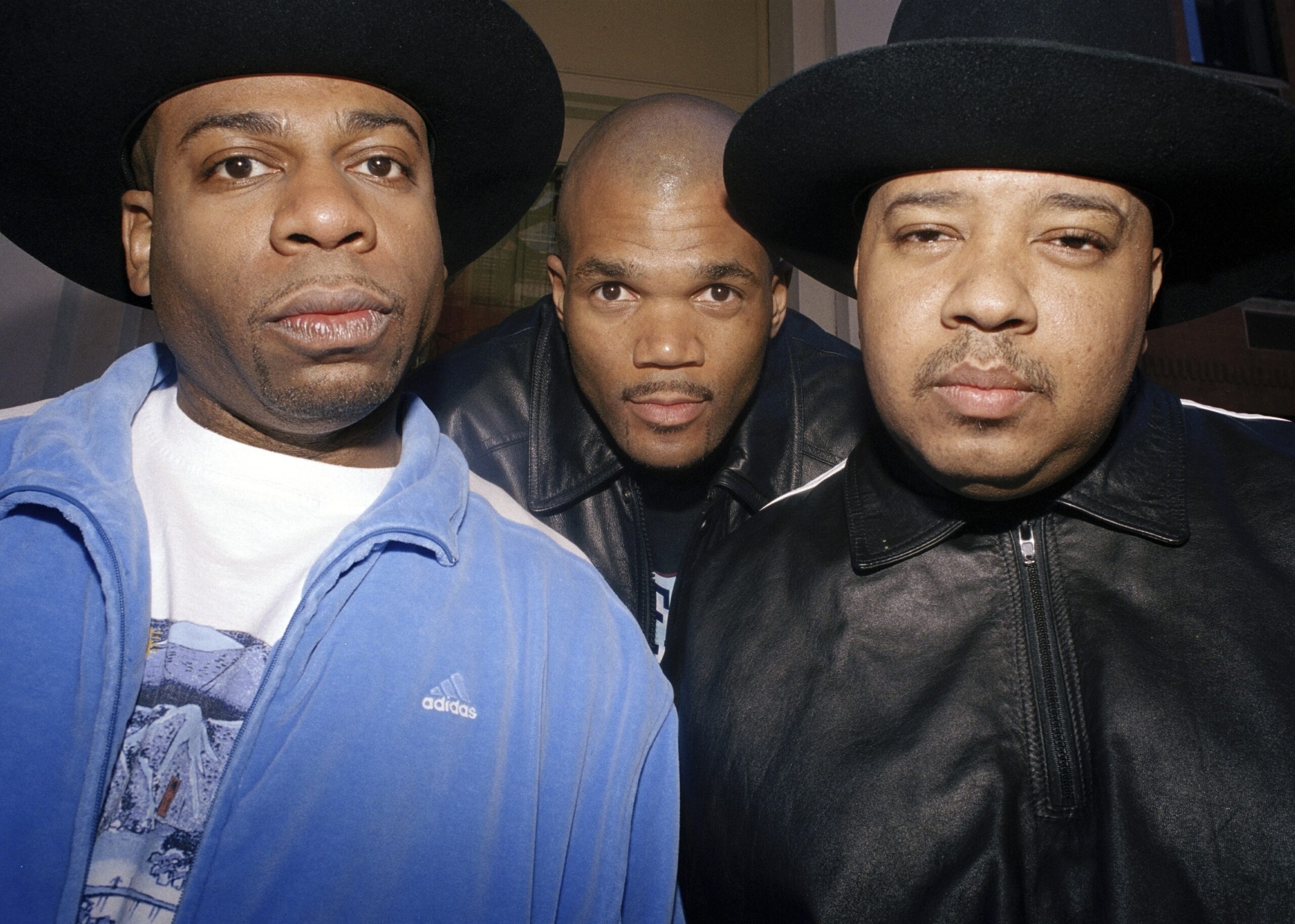
The two men, Karl Jordan Jr. and Ronald Washington, were convicted for the murder of Jason “Jam Master Jay” Mizell, the iconic DJ from Run-DMC on Tuesday.
Mizell, a pivotal figure in bringing hip-hop to the mainstream with hits like “It’s Tricky” and a notable rendition of Aerosmith’s “Walk This Way,” was fatally shot in his Queens studio on Oct. 30, 2002. His murder, akin to the unresolved killings of Tupac Shakur and the Notorious B.I.G., remained a cold case for years, mired in rumors and elusive witnesses.
Jordan, 40, the godson of the late DJ, and Washington, 59, a long-time friend, faced charges stemming from a dispute over a cocaine deal, diverging from Mizell’s public anti-drug stance.
“More than two decades after they killed Jason Mizell in his recording studio, Jordan and Washington have finally been held accountable for their cold-blooded crime driven by greed and revenge,” U.S. Attorney Breon Peace said. “That the victim, professionally known as Jam Master Jay, was a hip hop icon and Run-DMC’s music was born in Hollis, Queens, in this very district, and beloved by so many, adds to the tragedy of a life senselessly cut short.
The prosecution’s narrative during the trial painted a complex picture of Jason “Jam Master Jay” Mizell’s later years, revealing a stark contrast between his public persona and the private struggles he faced. Mizell, known for his contributions to hip-hop culture and his anti-drug stance, was posthumously implicated in a narcotics operation that prosecutors argue led to his murder.
Karl Jordan Jr. and Ronald Washington, the individuals convicted of Mizell’s murder, were reportedly involved in a cocaine trafficking scheme with Mizell. The prosecution contended that Mizell, grappling with financial difficulties, had ventured into the drug trade as a means to sustain his community and personal finances. This involvement marked a significant departure from the anti-drug messages he championed in his music and public appearances.
The crux of the case revolved around a specific drug deal involving approximately 10 kilograms of cocaine that Mizell was planning to distribute. According to trial testimony, this deal was to involve Jordan, Washington and a third party from Baltimore. However, the arrangement soured when the Baltimore connection refused to work with Washington, leading to tensions within the group.
Prosecutors argued that this fallout motivated Jordan and Washington to retaliate against Mizell. On the night of Oct. 30, 2002, they entered the studio where Mizell was working. The testimony indicated that Washington played a role in orchestrating the scene of the crime, blocking the door to prevent escape, while Jordan was identified as the shooter who fatally wounded Mizell.
Eyewitnesses, including Uriel Rincon and Lydia High, provided critical testimony that supported the prosecution’s account of the events leading to Mizell’s death. Their accounts detailed the moments before the shooting, describing how Washington and Jordan ambushed Mizell in his studio.
The defense challenged the credibility of these witnesses, pointing out inconsistencies and changes in their stories over the years. However, the jury ultimately found the evidence against Jordan and Washington compelling enough to convict them of murder related to the botched narcotics transaction.