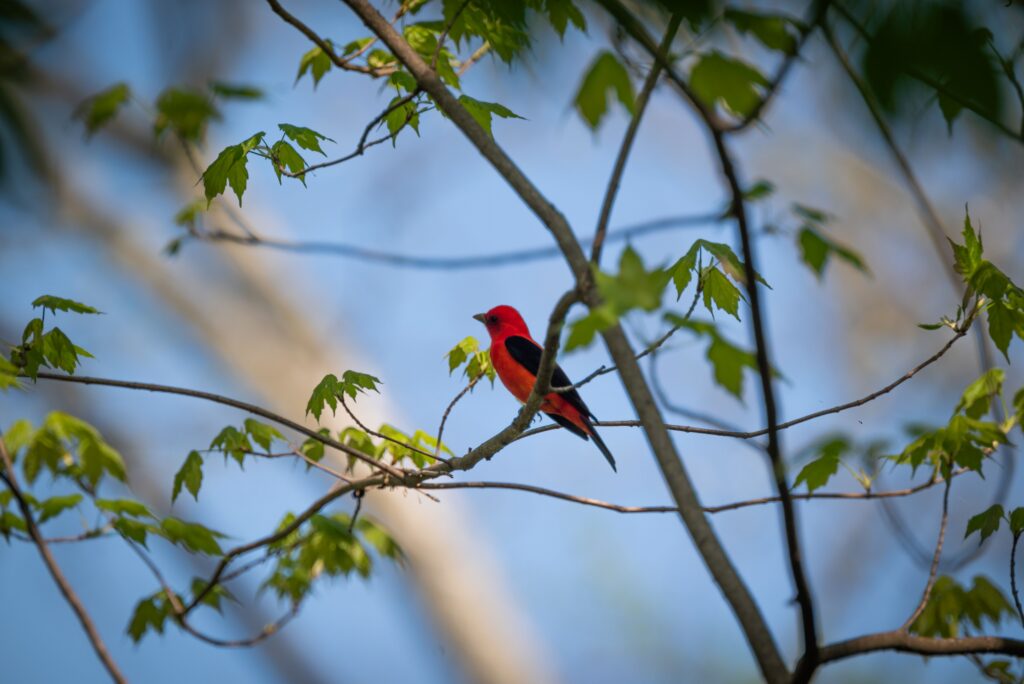
American Black Duck. Scientific Name: Anas rubripes
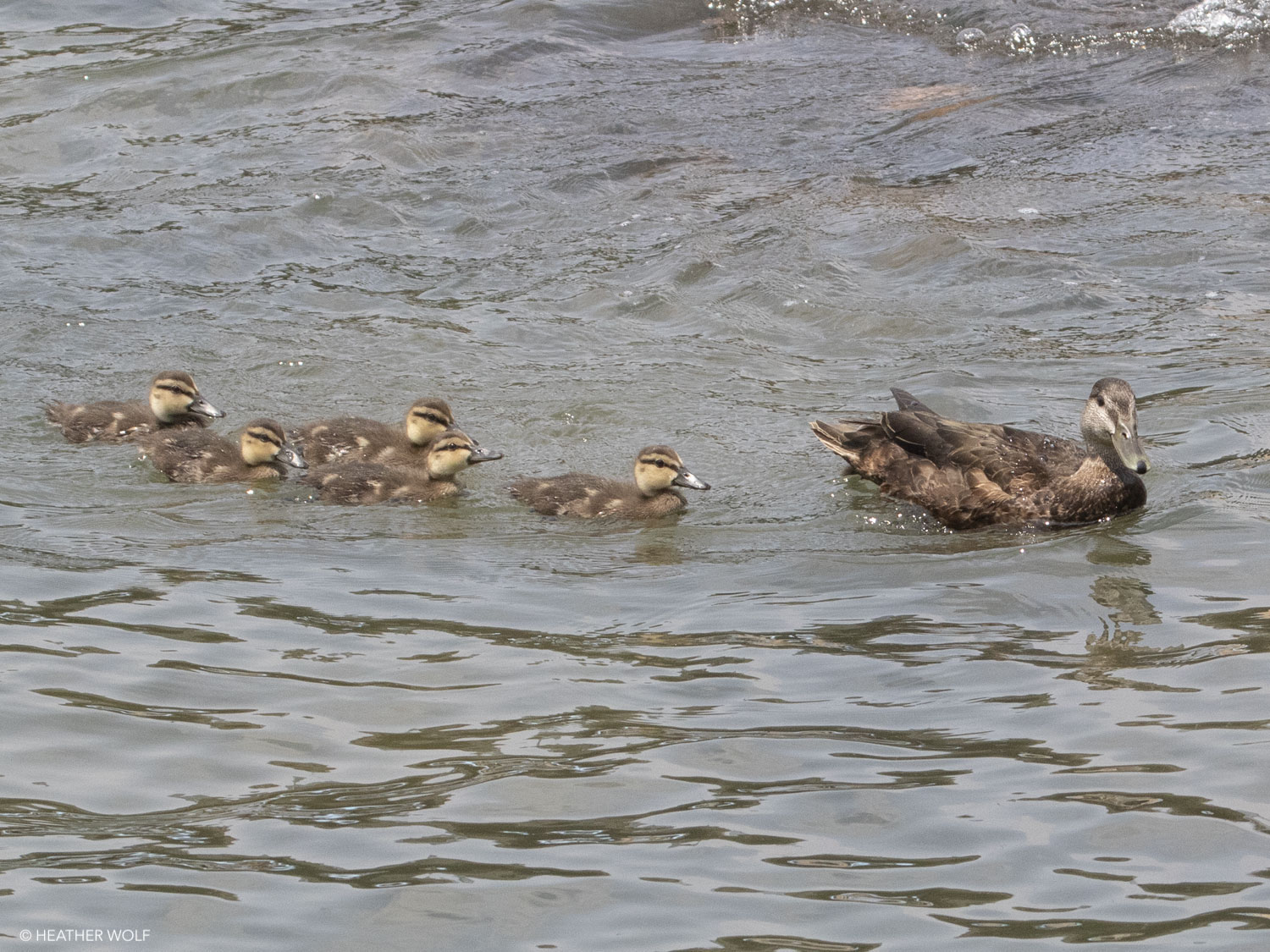
A family of American Black Ducks. Photo: Heather Wolf
By Joseph Palmer
August 11, 2023
Copy Link
Email
Facebook
X
LinkedIn
WhatsApp
Telegram
Pinterest
Print
Today, Brooklyn Bird Watch features a Heather Wolf photo of a family of American Black Ducks seen in Brooklyn Bridge Park. The American Black Duck looks very similar to the female Mallard, in fact, these ducks often flock unnoticed with Mallards. Learning some of the details that make up the historical interaction between these two duck species is fascinating.
“Find More Birds: 111 Surprising Ways to Spot Birds Wherever You Are” by Heather Wolf. Photos courtesy of The Experiment Publishing. Headshot: Harold Moeller
Special Event
Heather Wolf will be a guest speaker at a special program with a slideshow, on the birds of Brooklyn to be held on Wednesday, Aug. 30th at Estuary Bistro, overlooking the marina at Brooklyn Bridge Park. Readers may be notified of their opportunity to attend by clicking here.
The American Bird Conservancy tells us that the American Black Duck isn’t actually black. A closer look reveals that its plumage is a medley of dark brown, beige, and tan that gives it the folk name “Dusky Duck.” In flight, “the Black Duck’s solid purplish-blue speculum (wing patch) and light under wing linings are characteristic. Its reddish-orange legs and feet account for the species name rubripes (Latin for ‘red foot’).” The Cornell Lab of Ornithology says, “There are differences in appearance, like the dark chocolate-brown flanks, the pale grayish face, and the olive-yellow bill of the American Black Duck, and these ducks frequently hybridize with the Mallard, so you might see ducks in a flock with characteristics of both species which happens to be called “genetic swamping.”
Although the American Black Duck is considered a “dabbling” duck because it does feed on aquatic plants and small invertebrates at or just below the water’s surface, they are excellent swimmers and will dive if necessary to escape predators.
The “Atlantic Flyway” is a broad migratory path along the east coast of North America used by hundreds of bird species and the American Black Duck used to be a familiar sight along the flyway. But their numbers have decreased as the North American Breeding Bird Survey recorded an 84% decline in Black Duck numbers between 1966 and 2014. Ornithologists attribute this decline to competition and the hybridization (mentioned above) with its close relation, the Mallard, while the Mallard population during that same time period increased.
Apparently, the Mallard is genetically a more dominant species of duck. The edge they have in genetic competition comes from their ability to thrive and nest in degraded habitats and be close to human activity while the Black Duck tends to be more shy, nesting in quiet marshes and sheltered pools. Also, the American Black Duck is prized by waterfowl hunters. The good news is that stricter laws have reduced the number taken by hunters from about 800,000 in the 1960s and 1970s to about 100,000 today.
Audubon reminds us that “In its stronghold along the Atlantic Coast it is a hardy bird, wintering farther north than most dabbling ducks. It is among the few dabblers to prosper in tidewater areas; pairs and small parties of Black Ducks are often seen flying over the salt marsh, their white wing linings flashing in bright contrast to their dark bodies.”
When it’s time, all the eggs in the American Black Duck’s nest will hatch within a few hours of each other. Usually, it’s after dark when the female leads the young to water and they have to find food on their own. The young fledge for about 2 months, and then they are abandoned by the female.
Regardless of the hybridization and habitat clearing these birds do persevere. Some fossils of the American Black Duck found in Georgia and Florida date back 11,000 years.
American Black Duck Sightings this year:
Brooklyn Bridge Park: 4,018
Prospect Park: 6,752
SUNSET PARK — “As a resident of Marine Park, one of the great surprises I found biking around Industry City and visiting Japan Village was to discover Bush Terminal Park. I continue to be amazed at the serene hideaways that the city offers in some of the busiest places — and, still, with an iconic view.”
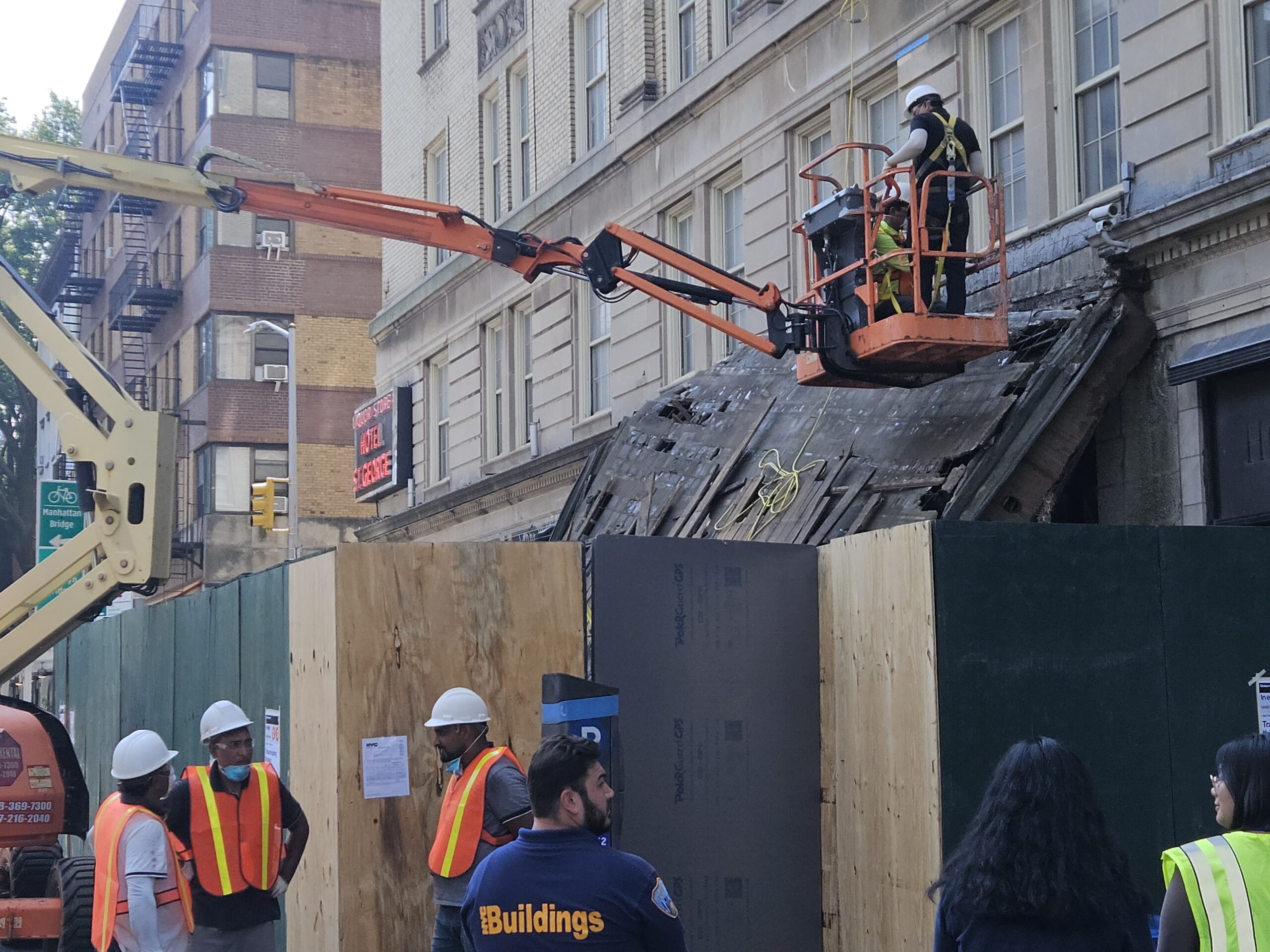
BROOKLYN HEIGHTS — ‘A miracle that no one was killed …’ That’s what neighbors are saying about the collapse of the Hotel St. George marquee. Shown in this photograph are workmen beginning the removal and repair of the historic, old neon sign at the corner, referencing a relic of Brooklyn Heights’ past: the St. George Hotel.
ATLANTIC AVENUE — Exhausted shopper with cluster of bags and goods from mall at Boerum Place stops to look at huge construction site across the street. “Is that REALLY going to be a jail??” Her male companion is reassuring, “Nothing like Rikers … this is 21st Century.”
BROOKLYN HEIGHTS — Overheard in line at one of most popular pastry outlets on Montague Street: “Hope I can get them into a camp …” A mother with two pre-schoolers in tow was showing a friend the Dodge Y flyer for Healthy Kids Day on Saturday, April 18.