On this day in 1848, the Brooklyn Daily Eagle reported, “The announcement of the death of Mr. [John Quincy] Adams in our paper yesterday has proved to be correct. This distinguished statesman, who has been so constantly before the people of the United States for the last sixty years, closed his career appropriately under the dome of the capitol, in the speaker’s room, on Wednesday evening the 23rd of February, at twenty minutes past seven o’clock. It will be remembered that he was seized with illness while attending to his duties in the House, on Monday, the 21st, and just after he had voted on an important question. He was carried into the speaker’s room, to which place medical aid was summoned, but he could not be removed to his own dwelling, and fell appropriately, like a distinguished Roman, in the Senate house. He was scarcely sensible after the attack. On one occasion, however, he opened his eyes and exclaimed, “This is the last of earth – I am composed.”
***
On this day in 1880, the Eagle reported, “By and by, perhaps, the astronomer of the future will be able to predict the price of silk, real estate and curry powder by a careful computation of the spots on the sun, and tell upon what day the grain market will weaken or railroad stocks move upward. Such vaticinations are not yet reliable, but others are. One can tell, at all events, as early as New Year’s, that toward the last week of February the gentle ice man will prepare the public for a rise in the matter of preserved winter, even though the enterprising plumber has not completed his plumbing or begun to count up the profits arising from his curious professional obliquity. The annual statement that ice is scarce is already some weeks old … The winter has so far been unfavorable to the formation of ice. It has been singularly mild, and the ice crop is very small.”
***
On this day in 1928, the Eagle reported, “Detroit, Feb. 25 (AP) – The Detroit Free Press said today that an airplane motor operated electro-magnetically, without gasoline or other fuel, has been tested successfully by Col. Charles A. Lindbergh and Maj. Thomas G. Lanphier, flight commander at Selfridge Field. The motor which, the newspaper pointed out, might revolutionize the entire scheme of automotive power, was the invention of Lester J. Hendershot of Pittsburgh, the article said. Col. Lindbergh, Maj. Lanphier and D. Barr Peat of Pittsburgh, business manager for the inventor, conducted a test of the motor yesterday at Selfridge Field and the Free Press reported it was ‘successful in every respect.’ The Guggenheim Foundation for Promotion of Aeronautics, the article said, has arranged for an immediate demonstration of the motor, which is said to be based on the principle of electrical magnetism, as applied to the rotary motion of the earth. The newspaper account continued: ‘On the test blocks yesterday it was learned the motor turned up 1,800 revolutions per minute. It would run at this rate for between 2,000 and 3,000 hours before it comes necessary to recharge the magnet center.’”
***
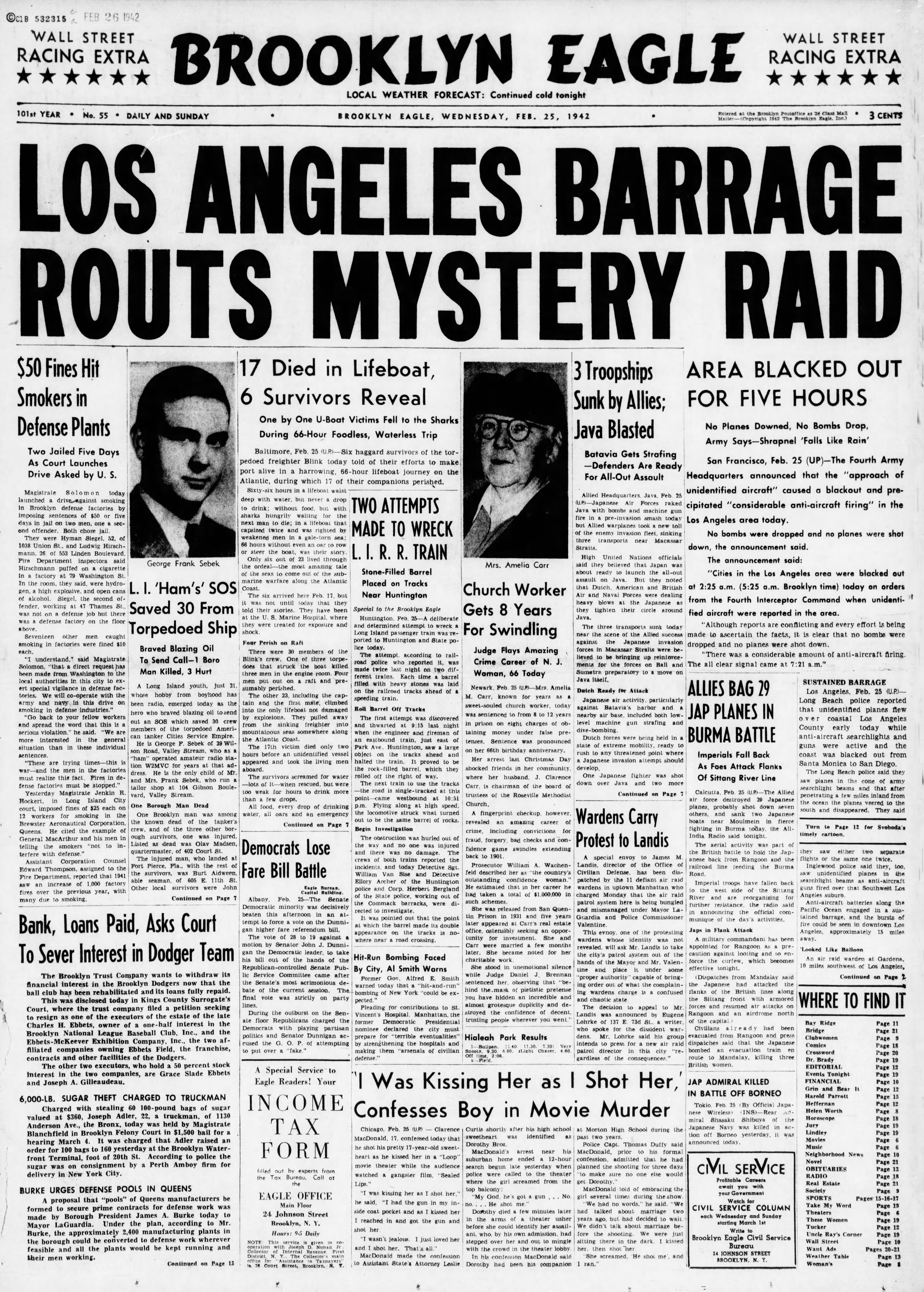
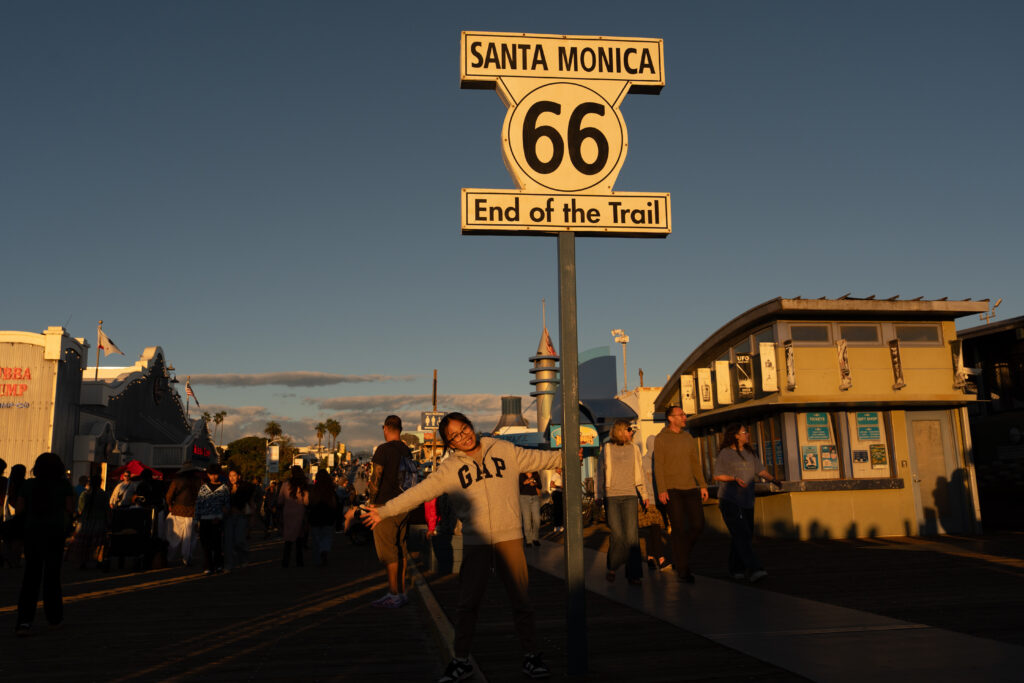
On this day in 1942, the Eagle reported, “Los Angeles, Feb. 25 (U.P.) – Long Beach police reported that unidentified planes flew over coastal Los Angeles County early today while anti-aircraft searchlights and guns were active and the coast was blacked out from Santa Monica to San Diego. The Long Beach police said they saw planes in the cone of army searchlight beams and that after penetrating a few miles inland from the ocean the plans veered to the south and disappeared. They said they saw either two separate flights or the same one twice. Inglewood police said they, too, saw unidentified planes in the searchlight beams as anti-aircraft guns fired over that Southwest Los Angeles suburb. Anti-aircraft batteries along the Pacific Ocean engaged in a sustained barrage, and the bursts of fire could be seen in downtown Los Angeles, approximately 15 miles away.