✰PREMIUM Combatting measles with the chief of infectious disease from the NYP-Weill hospital system
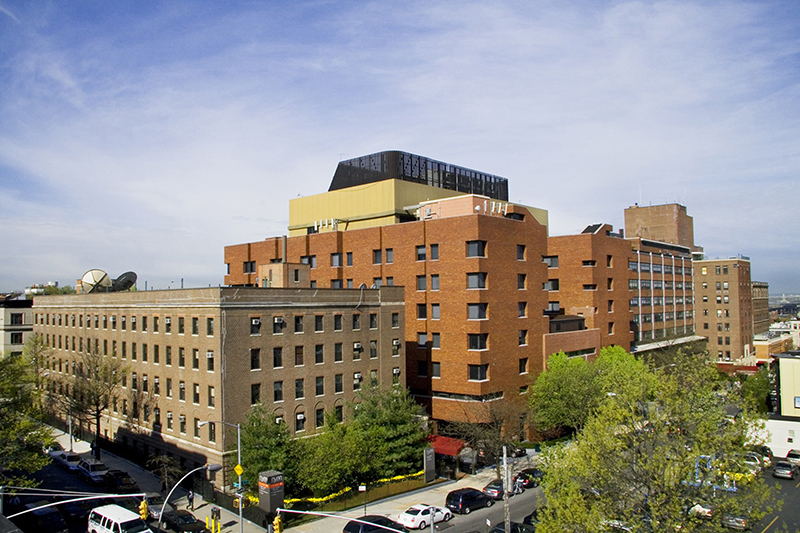
New York-Presbyterian Brooklyn Methodist Hospital’s in-patient buildings at its main campus. Photo courtesy of NY-P Brooklyn Methodist
By Joanna Insco
March 12, 2025
Copy Link
Email
Facebook
X
LinkedIn
WhatsApp
Telegram
Pinterest
Print
CITYWIDE — Two cases of measles have been reported in NYC this year with a third in New York State. These cases are part of a larger nationwide health crisis which has led to 222 reported cases in the United States in 2025 and one confirmed death from measles, with another under investigation.
The rise in cases corresponds with a national decline in recommended childhood vaccines since the COVID-19 pandemic. One 2024 study by the Centers for Disease Control and Prevention (CDC) shows that nearly all vaccine coverage is 1.3 to 7.8 percentage points lower among children born in 2020 and 2021 than it is among those born in 2018 and 2019.
A vial of the measles, mumps and rubella vaccine is on display at the Lubbock Health Department Wednesday, Feb. 26, 2025, in Lubbock, Texas. Photo: Mary Conlon/AP
Dr. Roy Gulick, Chief of Infectious Disease at NewYork-Presbyterian and Weill Cornell Medicine, the hospital system that encompasses Brooklyn Methodist Hospital in Park Slope, held a briefing on Friday, March 7 to talk all things pandemic preparedness, measles outbreaks, treatments, vaccinations and more. Gulick shared that declining vaccination rates in the United States is one of the things that keeps him up at night.
“’I’m concerned that over the last three months, things are changing in this country, and that a very good public health infrastructure that we have on both the local level, on the state level and on the national level is being changed,” said Gulick.
Good health infrastructure encompasses the facilities, systems and resources in charge of delivering the healthcare services. These services supplied the vaccinations needed to stop the ongoing transition of measles among the population of the United States in the year 2000, however, the World Health Organization estimates that there are still globally 10 million cases of measles associated with over 100,000 deaths every year — most occurring in unvaccinated children.
This is not the first time Dr. Gulick has encountered measles in NYC since he began his role at the NewYork-Presbyterian and Weill Cornell Medicine in 2009. In 2019, there were 600 reported measles cases in NYC — an outbreak that began with an unvaccinated New Yorker returning with the virus from international travel, just like the three cases in New Jersey this year.
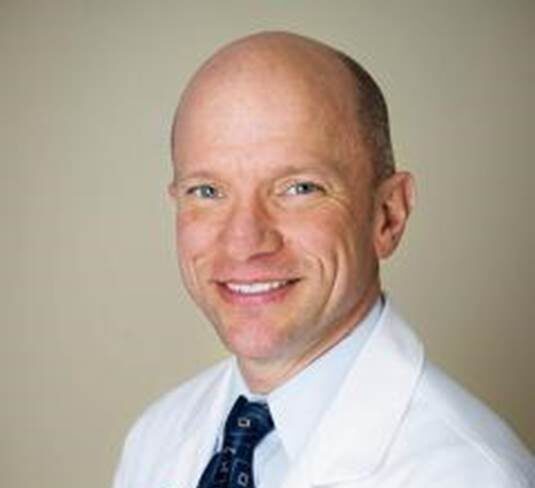
Dr. Roy Gulick, chief of infectious disease at NewYork-Presbyterian. Photo courtesy of NewYork-Presbyterian
“Over 90% of people who are exposed to someone with measles and are not immune will develop the illness. It’s one of the most transmissible illnesses that we see,” said Gulick.
Measles is transmitted through the air where it can linger for up to two hours and contagion occurs four-five days before and after developing the characteristic rash. The typical symptoms associated with the virus include nonspecific responses such as a fever, fatigue, cough and inflammation of the nose, mouth, throat and eyes. Most people with measles improve within two days and achieve a full recovery, but about 30% of people will develop complications.
These complications are where the concern arises. About one in 12 people will have intestinal involvement with measles, and around one in 20 will have lung development that can be life threatening, requiring supplemental oxygen or a mechanical respirator.
“One of the most feared complications of measles is when it travels to the brain and causes brain inflammation,” said Gulick. “Neurologic complications can include seizures or coma, and up to one in three in 1,000 people with measles will die from the illness.”
Gulick says that the cornerstone of measles management is prevention. The measles vaccine was developed in the late 50s and early 60s, and became widely available in 1963 in this country. One dose of the measles vaccine will confer 90% immunity, and two doses raises that to 97%, providing lifelong immunity to those vaccinated.
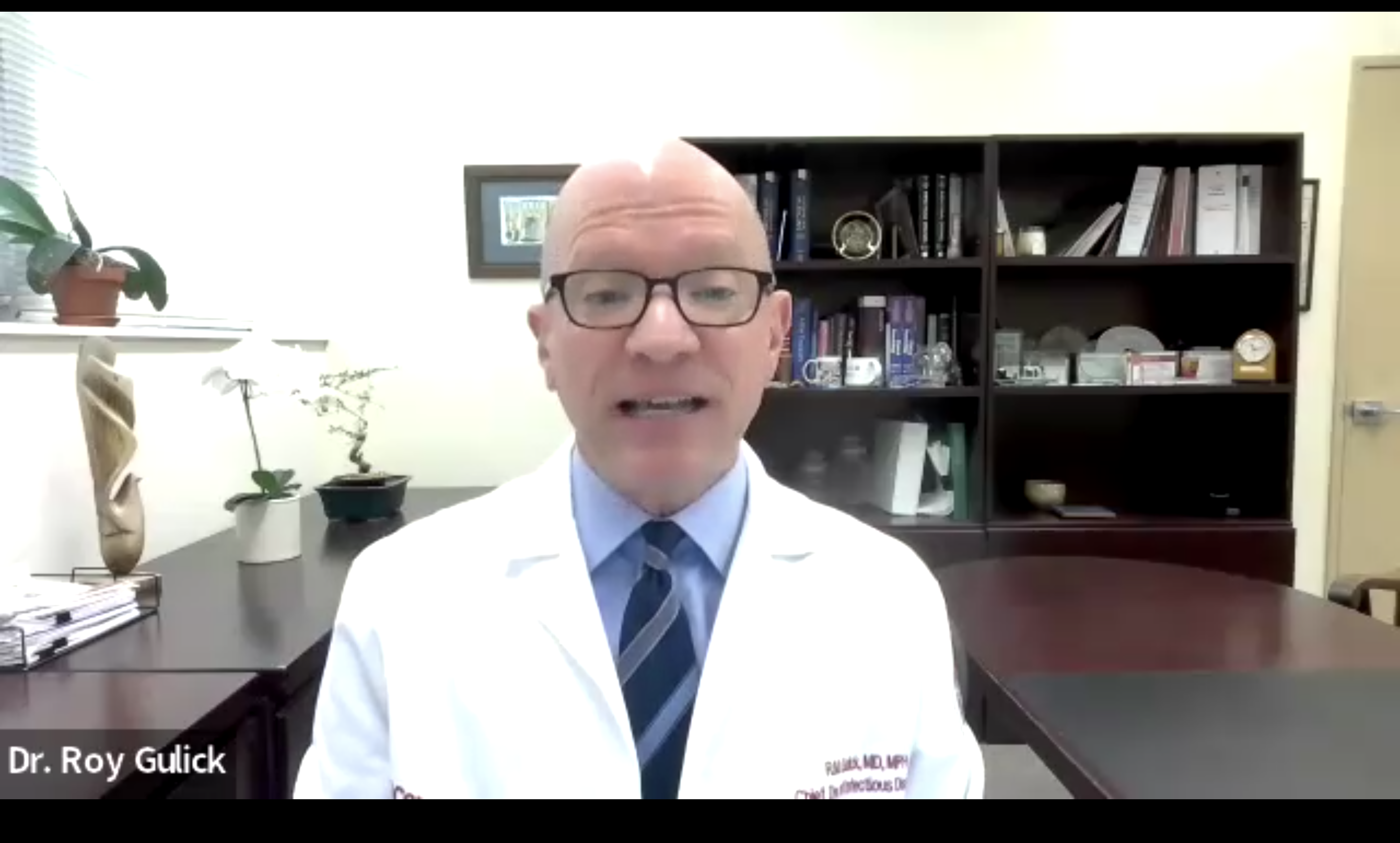
Dr. Roy Gulick, chief of infectious disease at NewYork-Presbyterian in March 7 zoom briefing. Brooklyn Eagle photo by Joanna Insco
Gulick debunked the idea that “measles parties” — an attempt at immunizing unvaccinated children through contact with infected people — are an effective vaccine replacement, returning to the statistic of potential complications. He added that the trend of using vitamin A as a treatment for measles came from studies that showed giving the supplement to children, predominantly with malnutrition, helped their immune response to the vaccine and was not cause for vaccine replacement.
Fears surrounding vaccination stem from a variety of reasons but Gulick said, “This is a safe and well tolerated vaccine. It has never been linked to long term complications, including autism. In fact, it’s estimated that measles vaccines have saved over 90 million lives since the 1960s.”
In NYC around 97% of children who enter kindergarten have been vaccinated but rates are lower across the country, putting herd immunity at risk. Herd immunity describes a population that has achieved around 90% to 95% immunity, preventing further spread to immunocompromised individuals, about 3% of Americans, or newborns who cannot receive the vaccine.
Anyone born before 1957 has already been exposed to the virus and is immune, but blood tests and measles, mumps and rubella (MMR) vaccine records can show definitively whether an individual is protected.
“COVID taught us a lot of things. The first is that a common virus that gets into the population that has never seen this virus before can spread readily throughout the world very quickly. COVID became a worldwide pandemic within a matter of months,” said Gulick. “Microbes, microorganisms do not obey country borders. They spread throughout the world, and we need to keep that in mind and be very aware of what’s going to happen next.”
SUNSET PARK — “As a resident of Marine Park, one of the great surprises I found biking around Industry City and visiting Japan Village was to discover Bush Terminal Park. I continue to be amazed at the serene hideaways that the city offers in some of the busiest places — and, still, with an iconic view.”
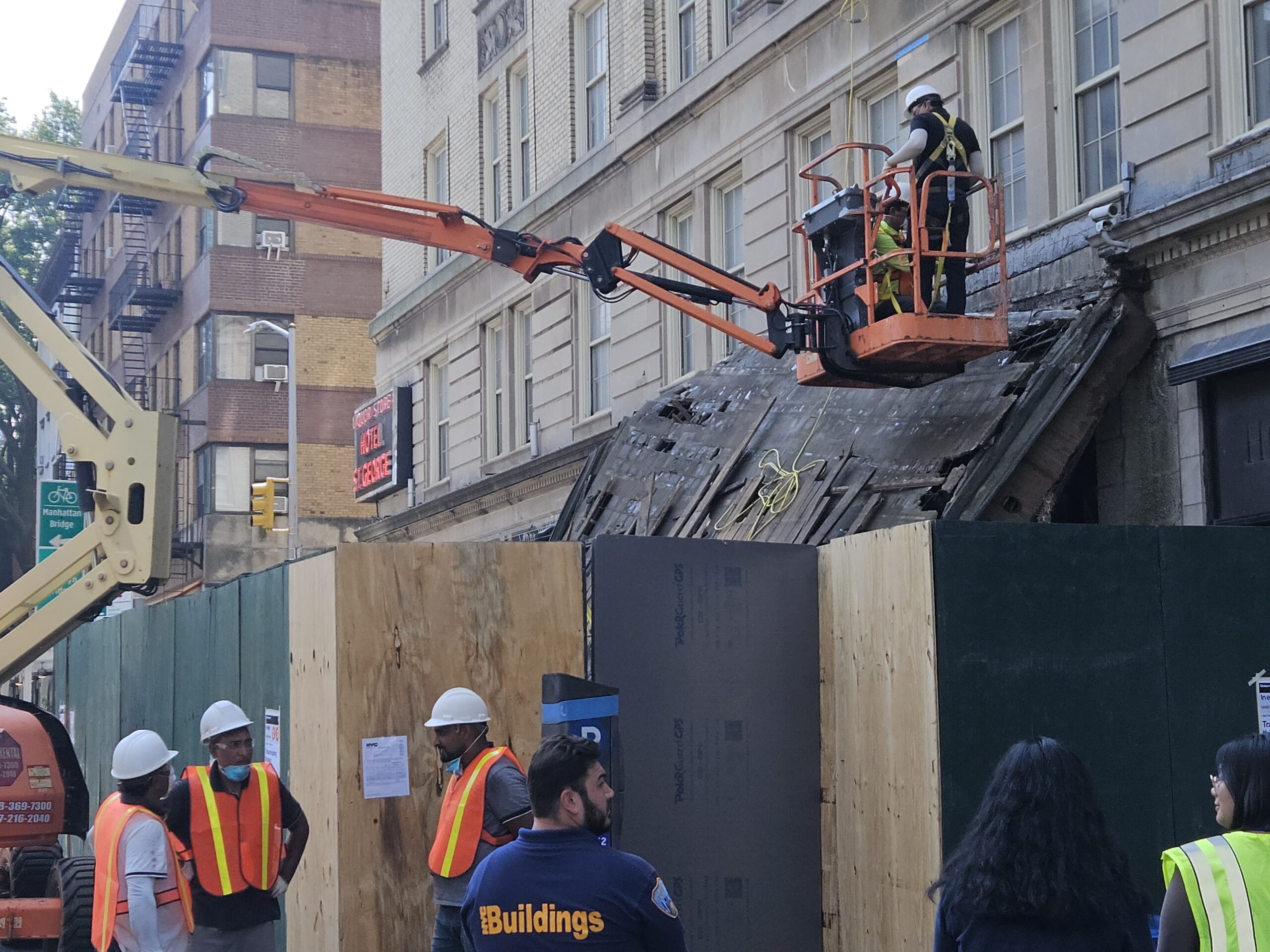
BROOKLYN HEIGHTS — ‘A miracle that no one was killed …’ That’s what neighbors are saying about the collapse of the Hotel St. George marquee. Shown in this photograph are workmen beginning the removal and repair of the historic, old neon sign at the corner, referencing a relic of Brooklyn Heights’ past: the St. George Hotel.
ATLANTIC AVENUE — Exhausted shopper with cluster of bags and goods from mall at Boerum Place stops to look at huge construction site across the street. “Is that REALLY going to be a jail??” Her male companion is reassuring, “Nothing like Rikers … this is 21st Century.”
BROOKLYN HEIGHTS — Overheard in line at one of most popular pastry outlets on Montague Street: “Hope I can get them into a camp …” A mother with two pre-schoolers in tow was showing a friend the Dodge Y flyer for Healthy Kids Day on Saturday, April 18.