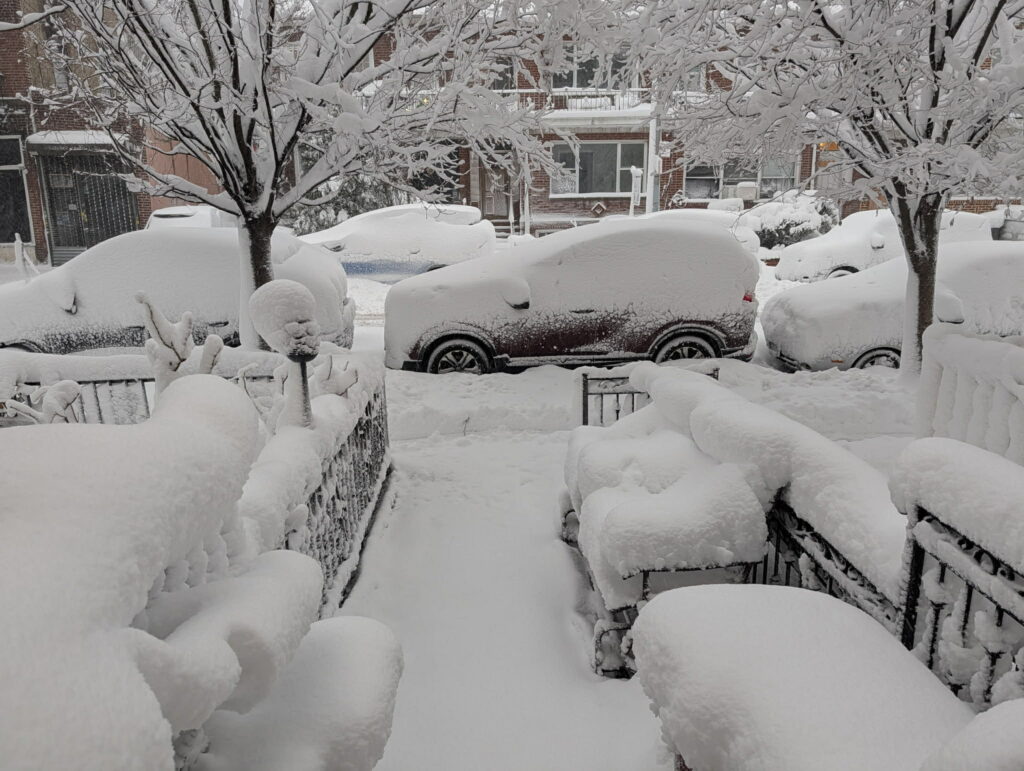
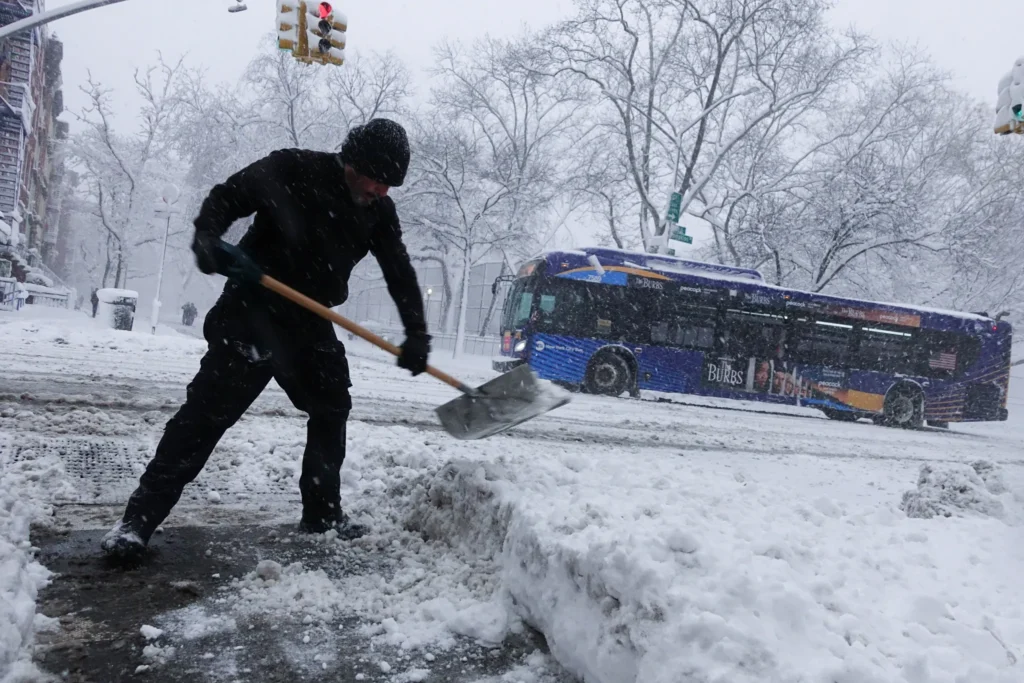
This week’s frigid weather has many New York City residents shivering, scurrying into cozy spots and feeling sapped. Including the rats.
The United States’ most populous city has been spared the Upper Midwest’s extreme wind chills, not to mention the shock of record-breaking snow in the deep South, in this week’s Arctic blast. But temperatures peaked Monday around 26 degrees Fahrenheit (minus 3 Celsius) and roughly 20 degrees (minus 7 Celsius) Tuesday and Wednesday, well below average.
Such cold has, yes, a chilling effect on the Big Apple’s notorious rodents. But it boosts efforts to get rid of them, says city “rat czar” Kathleen Corradi.
“It’s stressing out rats. It’s putting them in their burrows,” she says. “So we kind of get to double down now while the rats are ‘feeling the heat’ from this cold snap.”
New York City’s wild rat species — Rattus norvegicus, also called the Norway rat or brown rat — doesn’t hibernate in winter but does become less active when the weather is freezing for prolonged periods. At the same time, the rodent’s food source tends to shrivel because people are out less and therefore discarding few food wrappers and other rat snacks on the streets, Corradi said.
All that makes for stressed rats and suppresses breeding, which “is really their superpower,” Corradi said. Norway rats can reproduce many times a year, essentially any time conditions are suitable, though they tend to be most prolific from spring through fall.
Jason Munshi-South, a Drexel University ecology professor who has researched New York City’s rats, said those that are already holed up in subway tunnels, sewers, crawlspaces or other nooks can weather the cold fairly well.
Rats that haven’t secured a hideaway might venture to unusual places, such as car engine blocks. Or a tempting basement? Perhaps, if building owners haven’t diligently blocked them out.
But Munshi-South said some of the animals likely will freeze to death, especially if they’re already sick, malnourished or otherwise weakened.
“Harsh winters like we are having so far will keep the rat population at a lower level if we have sustained cold, freezing periods,” he said in an email.
All of that, Corradi said, allows the city’s rat-fighters to make headway ahead of the warmer months.
There’s no official count of New York City’s rats, but no one disputes that they have long been legion. Successive city administrations have tried various approaches to eliminating or at least reducing them.
Current Mayor Eric Adams, a Democrat who has battled the critters at his own Brooklyn home, created Corradi’s position — officially, the director of rodent mitigation — about two years ago. Adams’ administration also has focused on requiring trash “containerization,” otherwise known as putting household and business garbage into enclosed bins instead of piling refuse-filled plastic bags on the curb.