For decades, the city has been battling with growing mental illness and substance abuse crises, which the pandemic has only magnified. In recent months, our mental health is declining and overdoses across the city are rising. I’ve personally seen the toll that these conditions can take on families and communities. My experience isn’t unique. Most New Yorkers know someone who struggles with substance abuse or mental health challenges, if not both.
To overcome these, we need to move beyond conventional solutions and adopt innovative strategies that focus investments where they’ll have the greatest impact. In my experience leading our nation’s response to homelessness under President Obama, as well as emergencies like the housing crisis, Hurricane Sandy, and the Ebola outbreak, I’ve witnessed the trauma crisis can bring, but also the impact government can have when it pursues creative, forward-thinking solutions like the ones our city needs today.
In rebuilding our health, we must start by establishing the city’s first Safe Use Community Centers, taking substance abuse off the streets and making treatment options more accessible. Similar centers outside the US have been shown to lower drug-related deaths, ambulance calls and HIV infections, all without increasing crime, injection drug use or return to use.
Since reluctantly caving to advocacy group pressure, City Hall has made little effort to launch Safe Use Centers or fight legal opposition from the federal government. However, earlier this year a district judge determined that a similar facility could be opened in Philadelphia, removing a significant barrier.
It is also crucial that we rethink who responds to mental health emergencies. Creating a telemedicine platform would help divert the growing number of mental-health-related 911 calls, over half of which lead to costly and ineffective trips to the ER. The city’s 24 mobile crisis teams have been successful at steering individuals toward mental health resources. However, since these teams are not connected to 911, they take an average of 17 hours to arrive and only intervened with 884 individuals between 2016 and January 2019.
Long-term solutions to these crises require us to institutionalize a holistic approach beyond traditional treatment and crisis intervention. This involves increasing our investment in permanent supportive housing with high-quality healthcare and employment services that can help people achieve financial independence.
Many may think that the city cannot afford to pursue these ideas in a fiscal crisis. The truth is that we cannot afford not to pursue them. Annual productivity losses in NYC due to substance abuse and depression have been estimated at $14 billion.
Forty-three percent of NYC inmates suffer from some form of mental illness, translating to over $1 billion per year in jail costs that could be reduced or eliminated if people received proper care. And research shows that the longer a person lives on the street, the more expensive it becomes to re-house them. Taking action wouldn’t just save lives, it would save the city money as it rebuilds its economy.
During my eight years in President Obama’s Cabinet, he often told us not to let a crisis go to waste. Following his advice, I am committed to keep New Yorkers healthy with a plan that is comprehensive, ambitious, and a model for cities across the globe. Refusing to tackle these problems with the determination they require will only lead to wasted tax dollars, slower economic recovery, and more lives lost.
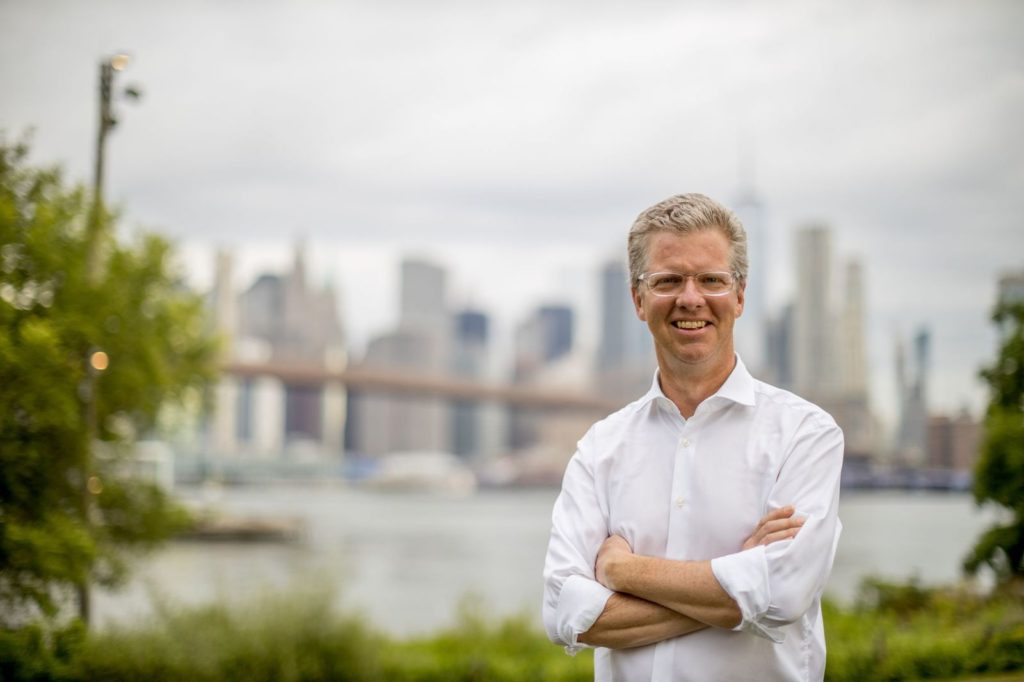
Shaun Donovan was budget director and secretary of housing and urban development for President Barack Obama and commissioner of housing preservation and development for Mayor Michael Bloomberg.