Councilmember Lincoln Restler announced a $500,000 contribution to restore the historic streetlamps of Brooklyn Heights. The investment builds upon previously allocated funds initiated by former District 33 Councilmembers Stephen Levin and David Yassky, along with U.S. Rep. Nydia Velazquez.
Preserving the streetlamps of Brooklyn Heights maintains the neighborhood’s old New York character, the notability of which extends back to 1965, when Brooklyn Heights was designated as the first historic district in the City of New York.
“The Brooklyn Heights Association works hard to maintain the character and integrity of our community,” said Council Member Lincoln Restler. “Some of the most notable New Yorkers have lived and worked in Brooklyn Heights like Henry Ward Beecher, W.E.B. DuBois, Truman Capote and Emily Warren Roebling. I’m thrilled that we can allocate this money to help contribute to the wonderful history of our neighborhood.”
Related Article: Bishops Crook lamp post may have spared lives in Brooklyn Heights car crash
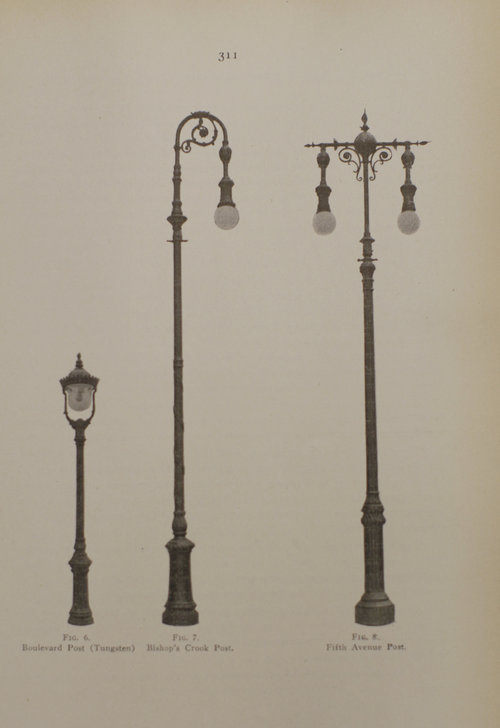
The Bishop’s Crook Pole was the first of many aesthetically designed streetlamps across the city, originating in the early 20th century. The installation of the Bishop’s Crook lamp style began as early as 1900 in narrower streets, according to the Department of Transit. Bracket versions of the Bishop’s Crook streetlamp were also installed on ground-level facades and walls, and modern revival of the style debuted in 1980 at the Helmsey Palace Hotel at Madison and 59th Street. The Bishop’s Crook lamps will replace the existing non-historical streetlamps in Brooklyn Heights in celebration of the tradition.
“We are grateful to Councilmember Restler for this allocation of funding and his recognition of the importance of preserving the architectural and cultural history of Brooklyn Heights, a mission to which the BHA has been dedicated for many decades,” said Brooklyn Heights Association Executive Director Lara Birnback.
“Visitors and neighborhood residents alike delight in experiencing the strong sense of place and connection to our shared past that the experience of walking the streets of Brooklyn Heights provides. Restoring the cast iron street lighting that was in place at the time of the passage of the New York City landmarks law and its designation as the city’s first historic district in 1965 is also a wonderful way of honoring the efforts of our city’s most determined preservationists, many of whom made (and still make) their homes in Brooklyn Heights.”